

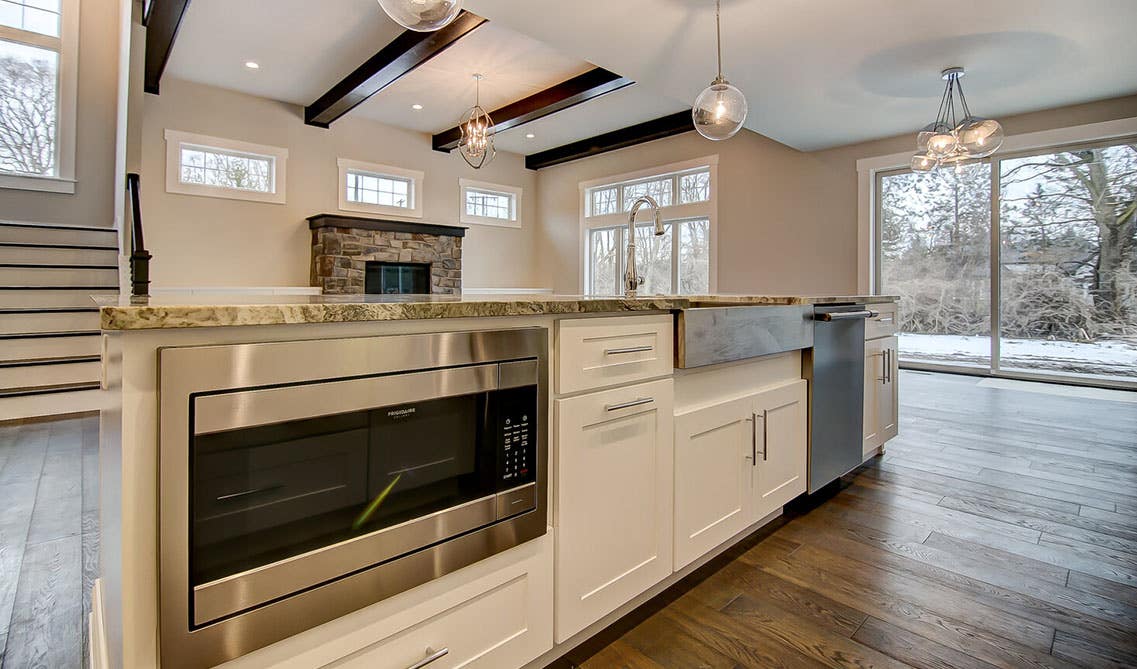
The best kitchen lighting ideas start with layers: task light under the cabinets and over the island and sink, ambient light from recessed or flush ceiling fixtures, accent light inside glass-front cabinets or on a backsplash, and one decorative fixture style, such as pendants or a chandelier, over the island. Put each layer on its own switch and dimmer, and keep the light color consistent. Lily Ann Cabinets sells linkable LED under-cabinet lights for the task layer.
- Think in layers: task, ambient, accent and decorative. Most kitchens that feel dim are missing the task layer, not ceiling lights.
- Task first: under-cabinet lights for counters, pendants or downlights for the island and sink.
- Ambient next: recessed, flush or cove lighting so the room isn't lit in patches.
- Accent and decorative last: light glass-front cabinets or a backsplash, then choose pendants or a chandelier.
- Controls: each layer on its own switch, with dimmers. The DOE notes most LEDs are dimmable.
- Lily Ann Cabinets sells linkable LED under-cabinet and cabinet lighting for the task and accent layers.
When it comes to your home, no other room demands a well-thought-out lighting scheme as much as your kitchen. A kitchen that incorporates lighting not only enhances the functionality of your space but also adds a touch of style. In this blog, we'll explore a variety of kitchen lighting ideas that will illuminate your space and transform it into a visually stunning area.
A kitchen typically incorporates three types of lighting: task lighting, mood lighting, and feature lighting. Task lighting is essential for illuminating specific work areas such as the cooking area and sink, ensuring optimal visibility for practical tasks. Mood lighting helps create a stunning atmosphere, allowing you to adjust the ambiance to suit different occasions. It matters most in a dark kitchen; our guide to dark and moody kitchens shows how to layer it. Lastly, feature lighting adds visual interest and character to your kitchen, serving as an eye-catching element that draws attention to specific areas or design features.
Below, we sort all 25 ideas by the job they do, give a simple order for planning the layers, and answer the questions people ask most.
The Four Layers of Kitchen Lighting
A well-lit kitchen layers four kinds of light: task light on the counters, sink, range and island; ambient light that fills the room; accent light that highlights things like glass-front cabinets or a backsplash; and decorative fixtures, such as pendants and chandeliers, that are part of the design. Each layer goes on its own switch so you can use them separately.
| Layer | Its job | Typical fixtures | Ideas below |
|---|---|---|---|
| Task | Shadow-free light where you chop, wash and cook | Under-cabinet lights, pendants over the island, lights over the sink and range | 5, 9, 12, 20 |
| Ambient | Even, general light for the whole room | Recessed downlights, flush mounts, cove lighting, diffused glass fixtures | 12, 16, 22, 25 |
| Accent | Highlights one feature | Inside-cabinet lights, spotlights, sconces, small lamps | 13, 14, 15, 18 |
| Decorative | A fixture you look at, not just by | Chandeliers, statement pendants, woven, brass and glass shades | 2, 3, 4, 6, 7, 8, 10, 17, 21, 23, 24 |
| All four together | The layered plan itself | A mix of the above | 1, 11, 19 |
Some designers count three layers (task, ambient and accent) and treat decorative fixtures as part of them. Our guide to choosing the best kitchen lighting uses the four-layer version, and so does this page.
How to Plan Layered Kitchen Lighting
This is a simple order to work in. It's our own planning advice, not a code requirement; a licensed electrician sets the actual circuits.
- Start with task light. Mark every place you work: each run of counter, the sink, the range and the island. Under-cabinet lights cover the counters; pendants or downlights cover the island and sink. For sizes and hanging heights at the sink, see our guide to lighting over the kitchen sink.
- Add ambient light. Recessed or flush ceiling lights fill in the room so it isn't lit only in patches.
- Add accent light. Light the one or two things worth showing off, such as glass-front cabinets, open shelves or a tile backsplash.
- Choose decorative fixtures last. Pick the pendants or chandelier once you know where they need to hang and what light they need to give.
- Put each layer on its own switch, and use dimmers. The DOE recommends using dimmers whenever full light isn't needed and notes that most LEDs are dimmable (DOE Consumer Guide to Energy-Efficient Lighting).
- Keep one color family. Light color is measured in Kelvin: the DOE explains that higher numbers look cooler (bluer) and lower numbers look warmer. Mixing very different numbers across layers is what makes a kitchen look patchy.
- Buy by lumens, not watts. Lumens measure light. The DOE's example: an LED that replaces a 75-watt incandescent bulb gives about 1,100 lumens.
Plan the lights with the cabinets. Under-cabinet lights need power at the wall cabinets, glass-front cabinets need wiring inside the box, and a strip of light rail molding hides the fixtures. Those choices are easiest before the cabinets are ordered, so add them to your free 3D kitchen design.
25 Kitchen Lighting Ideas
1. Mix and Match Different Lighting Fixtures
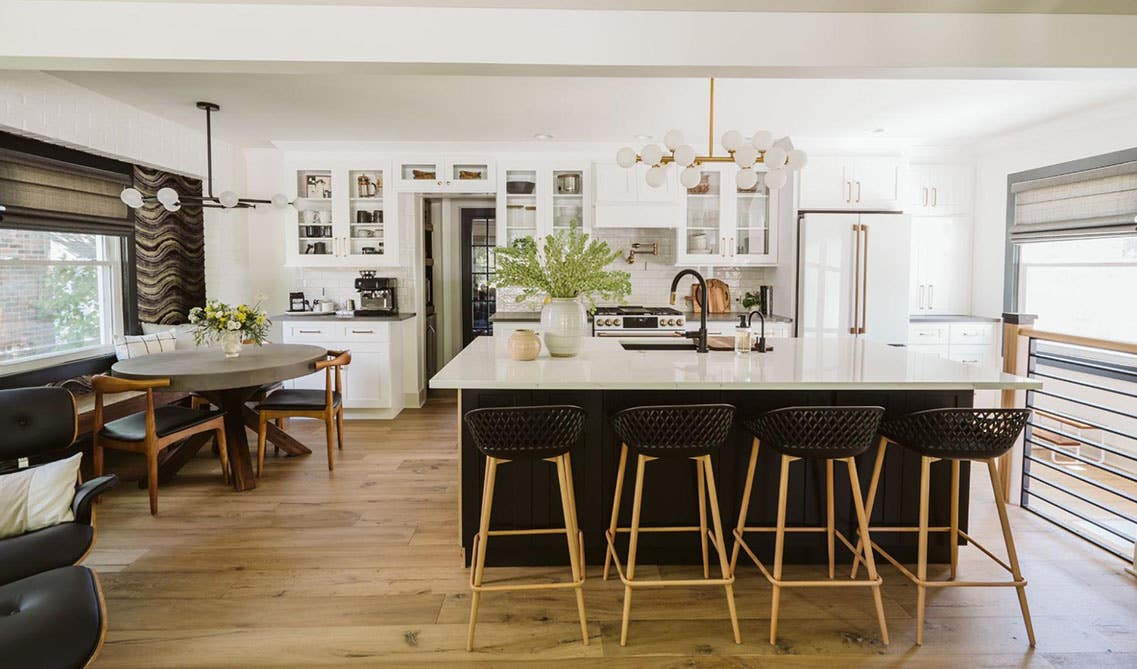
Using a variety of lighting fixtures will add visual interest and depth to the kitchen's design. Each fixture brings its own unique shape, style, and aesthetic, contributing to a more dynamic and appealing space. This diversity can help create focal points that draw the eye.
Layer: All four
Get your FREE 3D kitchen design today!
Start Now2. Use One Light As A Focal Point
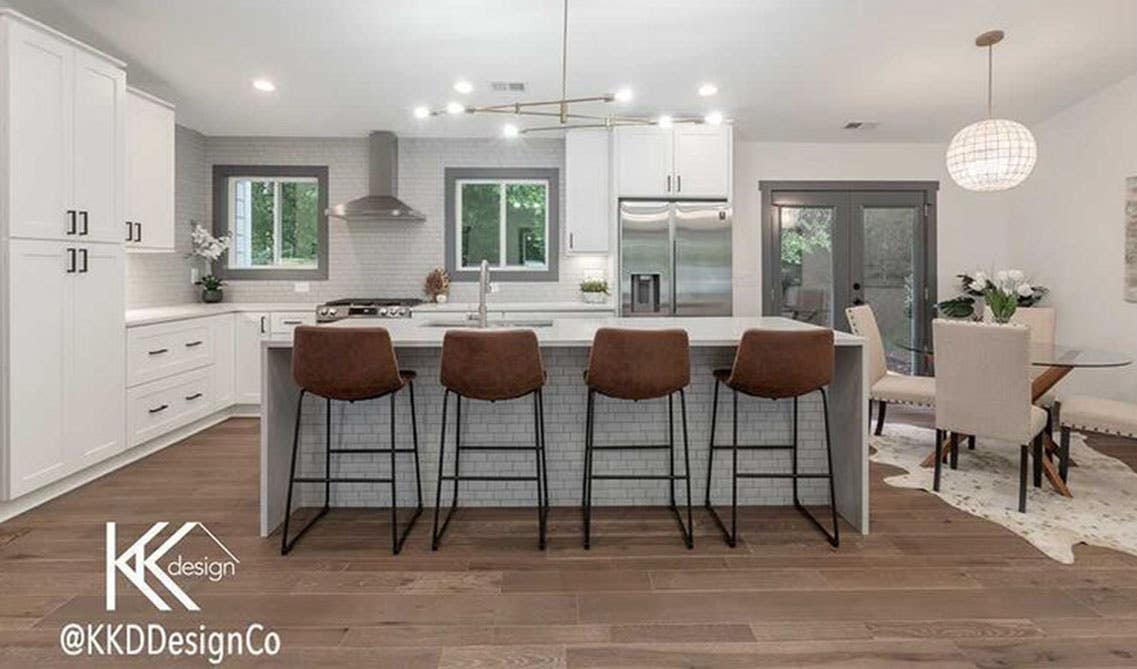
A single focal light can contribute to a clean and uncluttered look, particularly in minimalist kitchen designs. Instead of multiple competing kitchen light fixtures, a well-chosen focal light provides sufficient illumination while maintaining a sleek appearance.
Layer: Decorative
3. Add Antique Kitchen Lighting
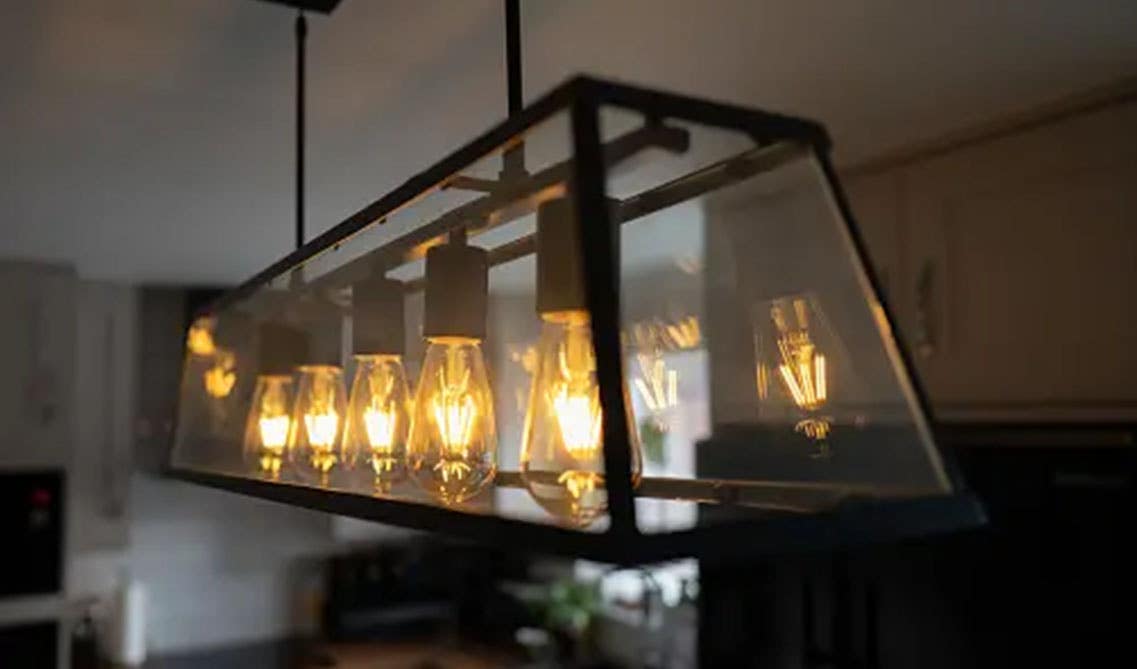
Antique lighting fixtures are often one-of-a-kind or limited in availability, making them stand out in a sea of modern designs. By incorporating these unique pieces into your kitchen, you add a sense of individuality and exclusivity to your space. It becomes a conversation starter and a way to showcase your personal style and appreciation for vintage treasures.
Layer: Decorative
4. Woven Pendant Kitchen Lighting
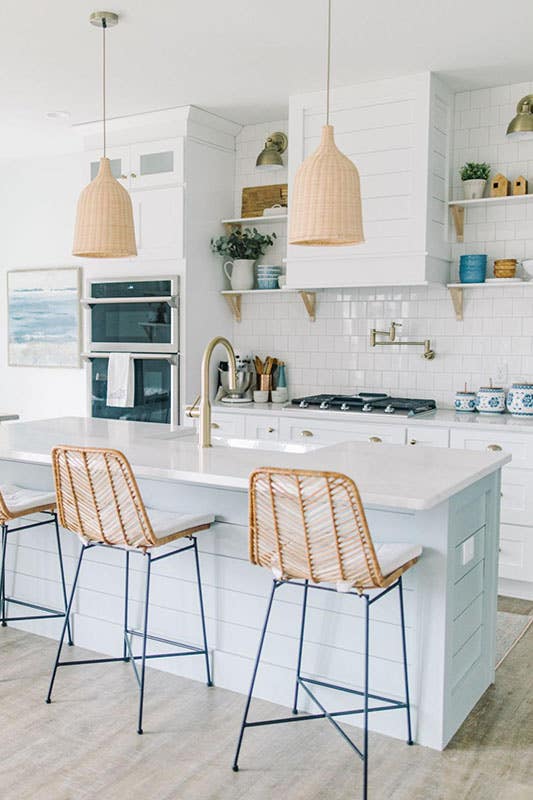
Woven pendant kitchen lights feature natural materials which add a touch of organic beauty to your kitchen. The woven textures create visual interest and introduce a warm and inviting atmosphere. These natural materials harmonize well with various design styles, including bohemian, coastal, rustic, and even modern farmhouse kitchens.
Layer: Decorative
3D Kitchen Visualizer Tool
Bring your dream kitchen to life with our free kitchen visualizer!
Design Now5. Under Cabinet Lighting
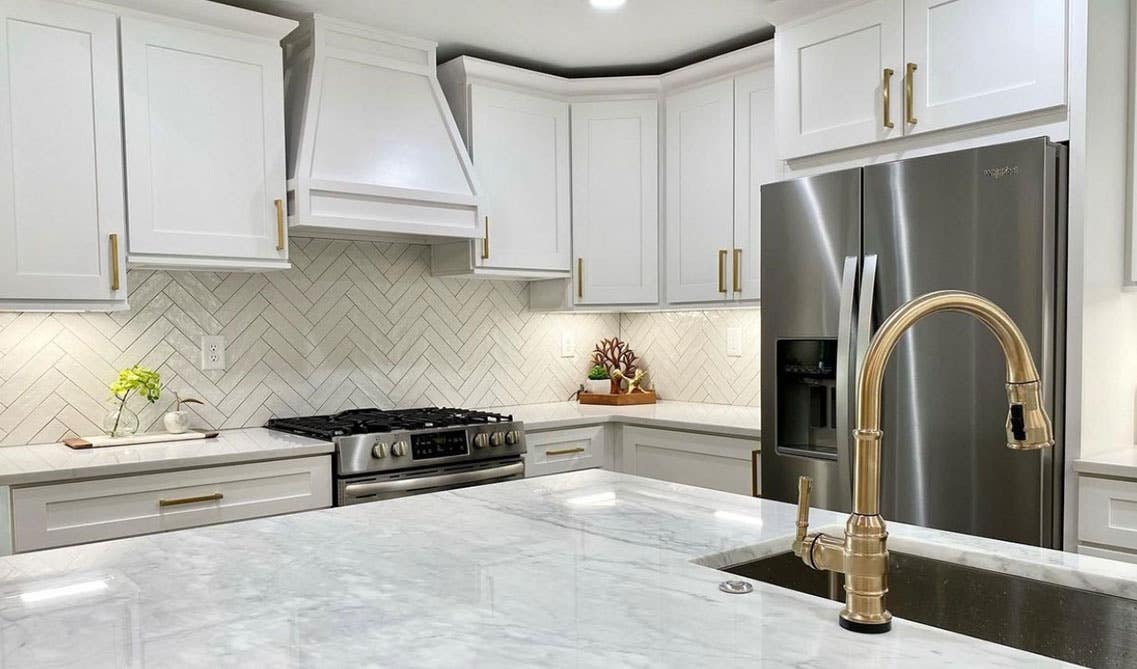
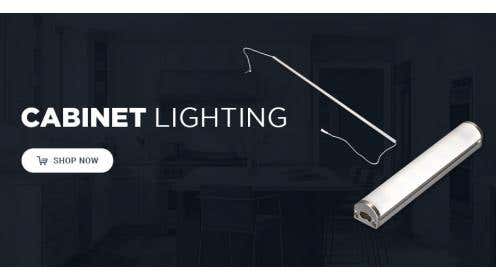
Lily Ann Cabinets Under-shelf and cabinet lighting is useful for multiple reasons. While cooking, it provides a better lighted space, making the cooking process much easier. Additionally, when it comes to looks, under cabinet lighting is very aesthetically pleasing when on. Installing these kitchen lights means that you will have a perfect, clear view of the countertop below. If you have countertops such as granite or quartz, it will illuminate them and only make them more stunning. Lily Ann Cabinets also offers all lengths of interconnect cables so no matter the size of your kitchen, these lights will be able to stretch all the way through it. If you want to buy cabinet lighting, Lily Ann is the place to get it from!
Under-cabinet light is the task layer most kitchens are missing. To choose between LED bars, tape and puck lights, plug-in or hardwired, see our guide to the best under cabinet lighting for kitchens.
Layer: Task
6. Brass Kitchen Lighting
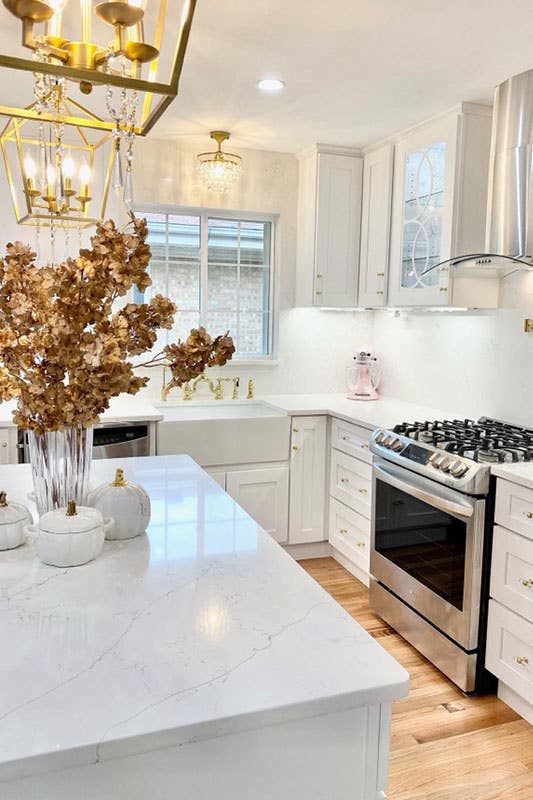
Brass has a versatile nature that allows it to work well with different color schemes in the kitchen. It can complement warm tones, such as earthy neutrals, as well as cooler colors, like blues and grays. This versatility makes brass lighting fixtures a flexible choice for any kitchen design.
Layer: Decorative
7. Clear Glass Kitchen Lighting
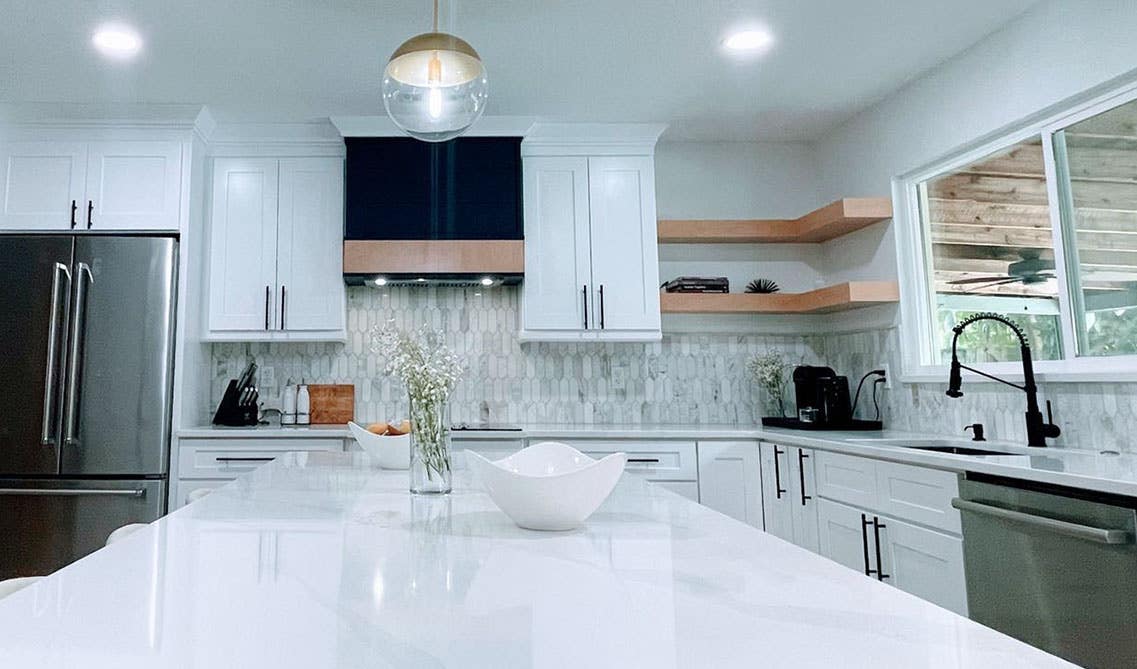
Clear glass lighting fixtures have a versatile and timeless appeal that can complement various kitchen styles, from traditional to contemporary. The transparent nature of clear glass allows it to blend seamlessly with different color schemes and materials, making it a great choice for any kitchen design. Clear glass lighting fixtures can also act as a decorative element in your kitchen.
Layer: Decorative / task
8. Oversized Kitchen Lighting
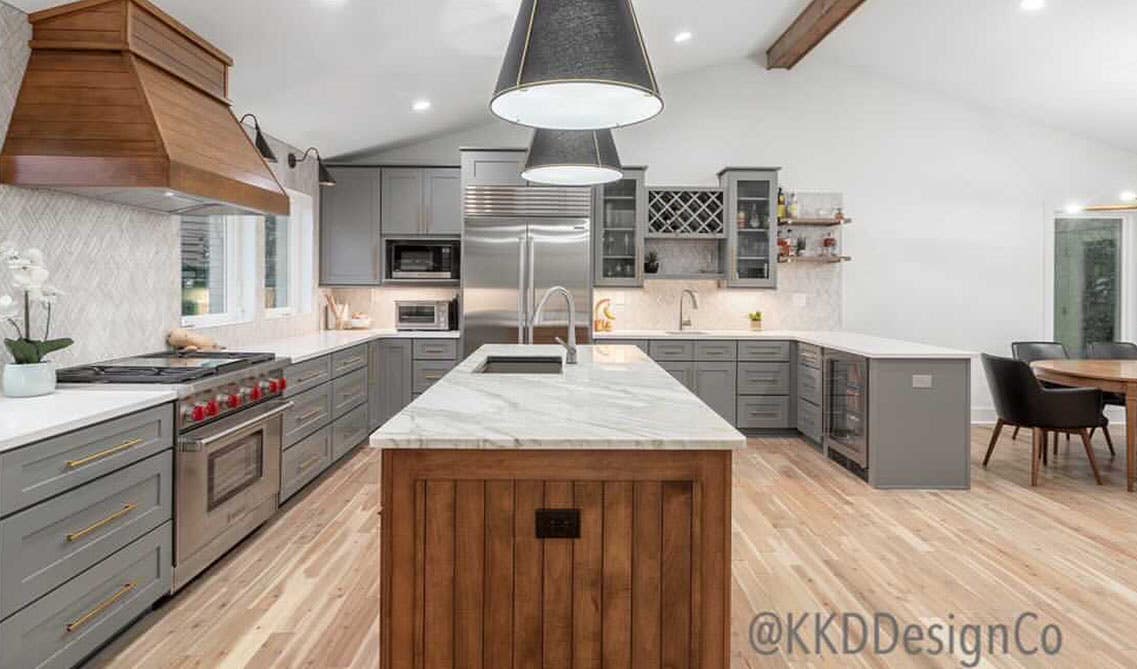
If you want to make a statement or showcase your personal style in the kitchen, oversized lighting fixtures are an excellent choice. They can be conversation starters and add a touch of drama or elegance to the space. By selecting a unique or eye-catching design, you can make your kitchen lighting a true centerpiece.
Layer: Decorative
9. In Line Lighting With The Kitchen Island
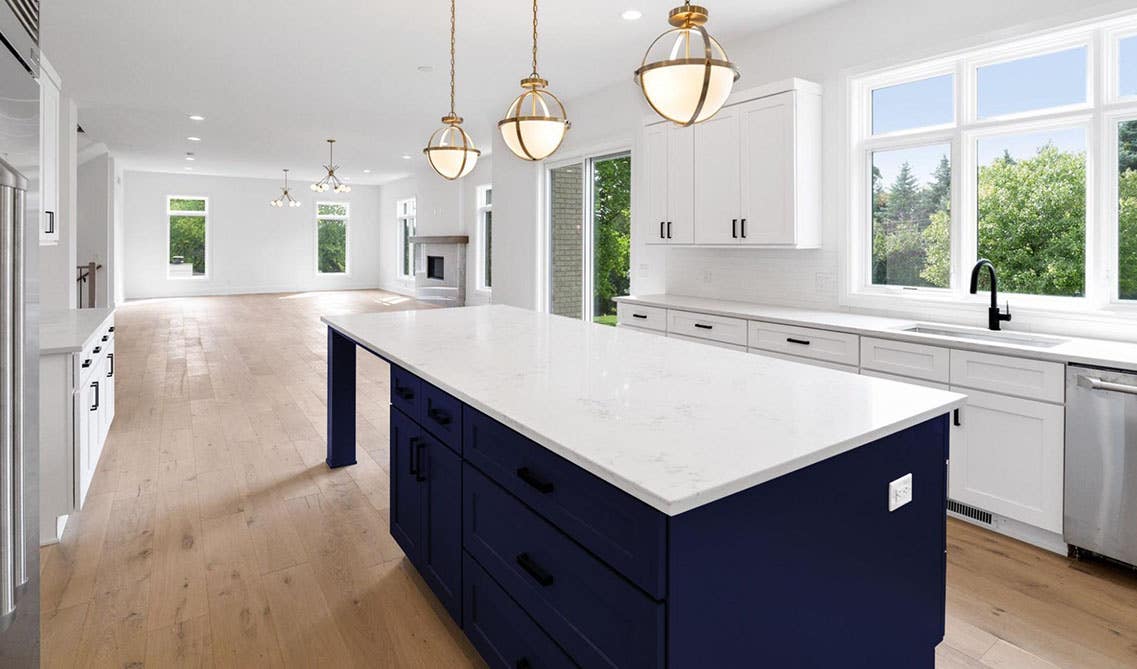
In addition to providing functional task lighting, in-line lighting fixtures also contribute to the overall ambiance of the kitchen. By selecting fixtures with the right design and lighting characteristics, you can create a warm and inviting atmosphere. In-line lighting can add a touch of elegance, sophistication, or contemporary flair to the kitchen space, depending on the style of the fixtures chosen.
Layer: Task + decorative
10. Blend Modern And Traditional Style Lighting
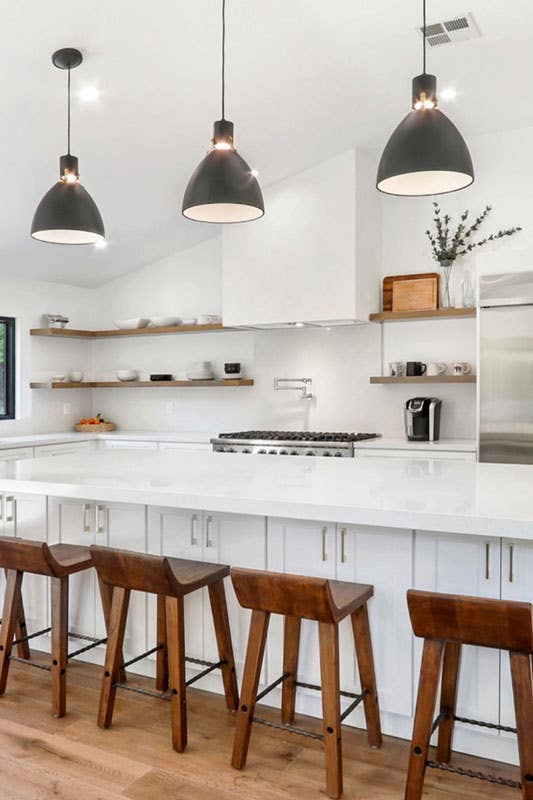
Blending modern and traditional lighting allows you to create a unique style that reflects your taste. You can mix and match fixtures that resonate with you, selecting elements from both styles to create a cohesive and personalized lighting design. This fusion of styles can create a space that feels authentic and reflects your individuality.
Layer: Decorative
11. Layer Lighting In Tall Kitchens
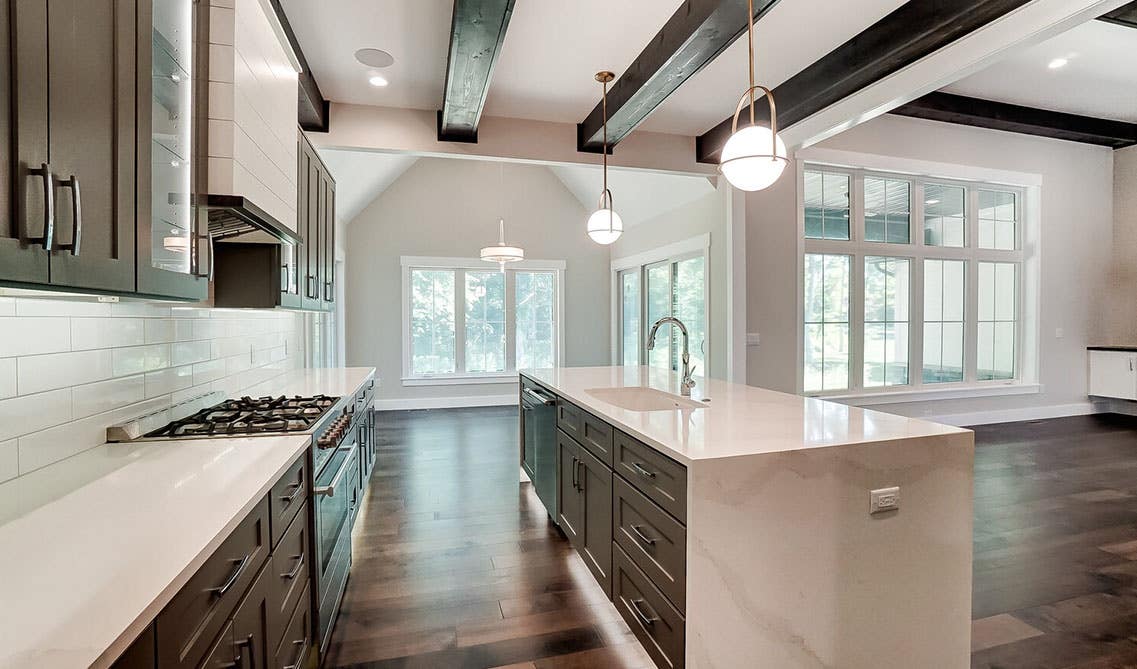
Layering lighting in tall kitchens allows you to create distinct lighting zones based on the different functions and areas of the kitchen. For example, you can have brighter task lighting above countertops and cooking areas, softer ambient lighting for dining or socializing zones, and accent lighting to showcase artwork or decorative elements. This zoning helps create a functional and versatile kitchen that can adapt to different needs and moods.
Layer: All four
12. Double Up In Larger Spaces
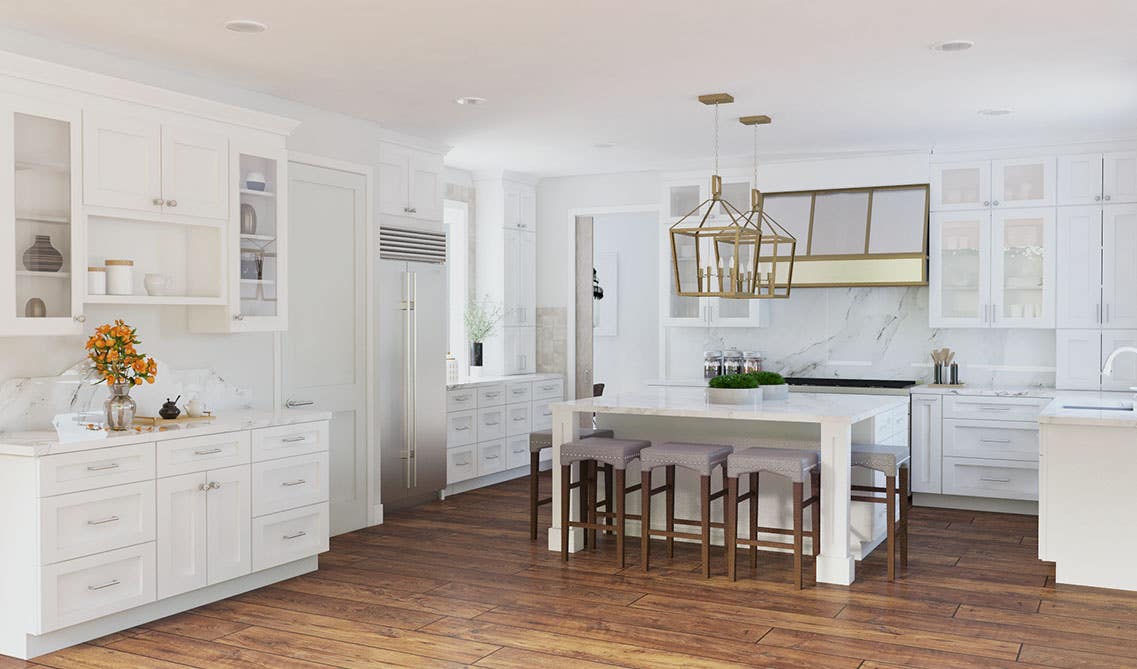
Large spaces can be prone to shadows and areas of uneven lighting. By doubling up on lighting fixtures and strategically placing them, you can minimize shadows and create a more uniform distribution of light. This helps improve visibility and reduces the strain on the eyes. Additionally, with the right placement and control, you can also minimize glare, ensuring a comfortable and well-lit environment.
Layer: Ambient + task
13. Incorporate Accent Lamps
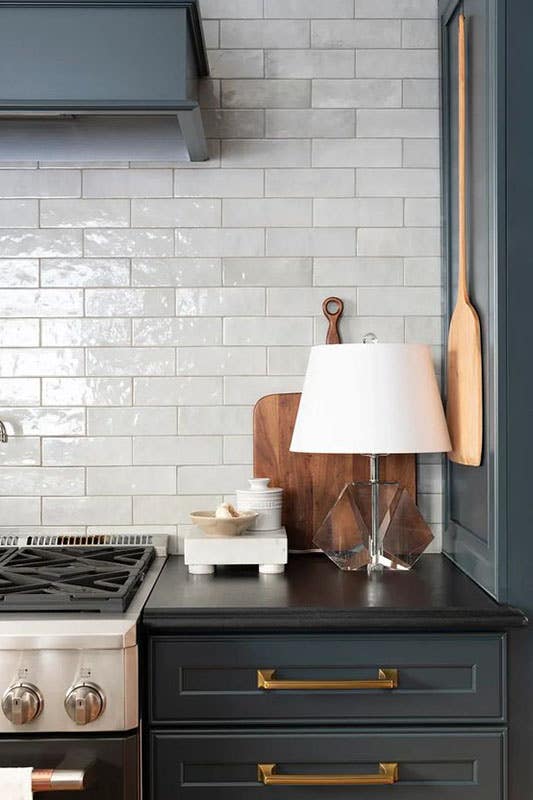
Accent lamps are typically portable, making them highly versatile. You can easily move them around the kitchen or even use them in other areas of your home when needed. This flexibility allows you to experiment with different lighting arrangements and adapt to changing needs or design preferences over time.
Layer: Accent
14. Inner Cabinet Lighting
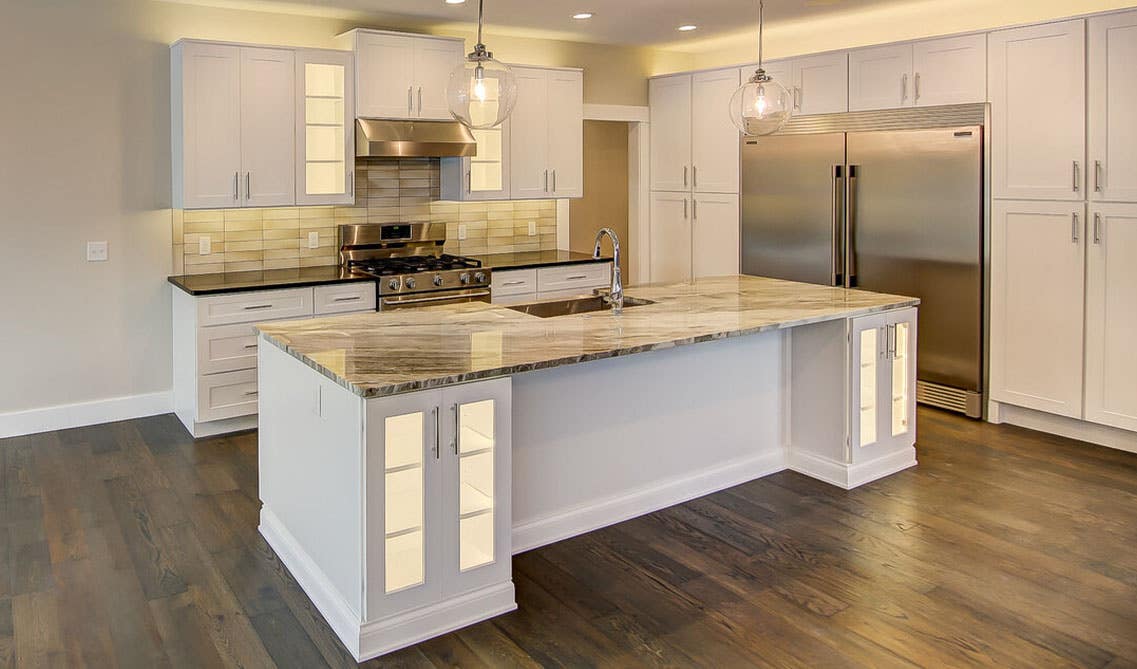
Cabinet lighting on the inside adds a decorative touch to your cabinets, enhancing the overall aesthetics of your kitchen or display area. It can create a warm and inviting ambiance, making the cabinets feel more visually appealing. Inner cabinet lighting can also be used to showcase specific items, such as glassware, china, or decorative pieces, creating an attractive display and adding a focal point to the room.
Layer: Accent
Glass-front cabinets need their power planned before the cabinets go in. Our guide to cabinet lighting ideas shows where inside-cabinet, above-cabinet and toe-kick lights go.
15. Industrial Accent lighting
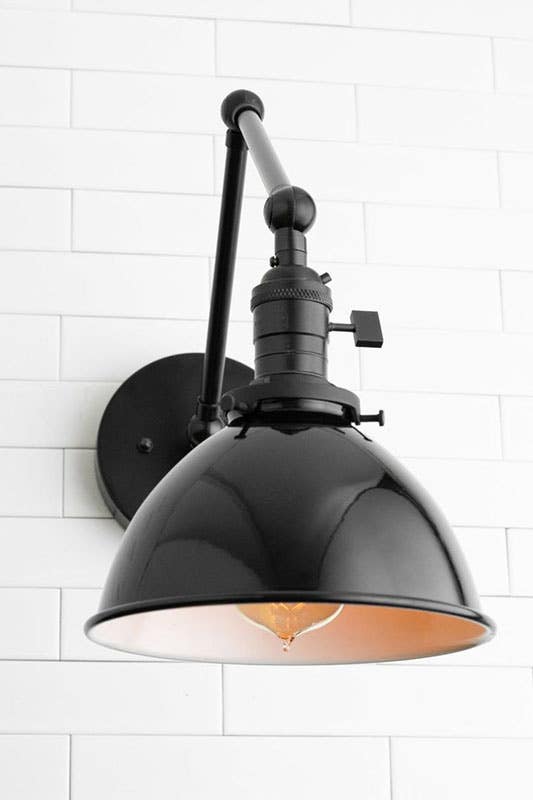
Industrial accent lighting helps enhance the overall industrial aesthetic of a space. By using fixtures such as exposed bulb pendants, metal cage kitchen lights, or vintage-inspired sconces, you can accentuate industrial elements like exposed brick walls, metal beams, or distressed wood surfaces. It creates a cohesive and authentic industrial look that adds character and visual interest to the space.
Layer: Accent / decorative
16. Milky Glass Kitchen Lighting
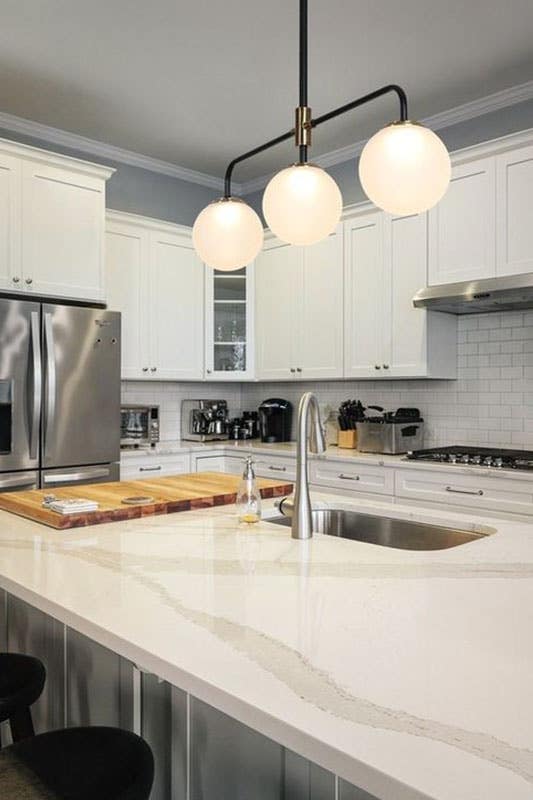
The frosted or opaque nature of milky glass helps to minimize glare and eye strain that can be caused by direct exposure to bright light sources. It scatters and diffuses the kitchen light, creating a more even and gentle illumination. This makes milky glass fixtures ideal for areas where you want to create a soothing and eye-friendly atmosphere, such as above kitchen islands or dining tables.
Layer: Ambient
17. Classic Chandeliers
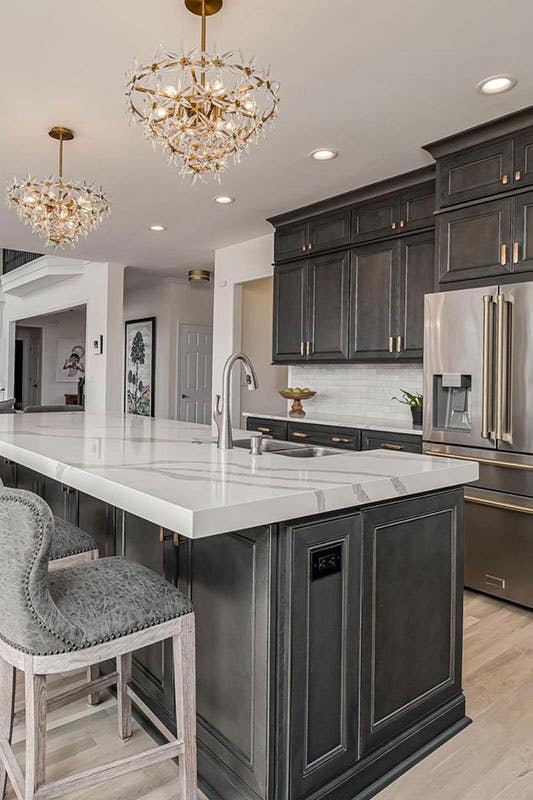
Add a touch of elegance and sophistication with a chandelier above your kitchen table or island. Classical chandeliers come in a wide range of styles, sizes, and finishes, providing versatile design options to suit different kitchen layouts and decor themes. Whether you prefer a crystal chandelier for a glamorous touch, a bronze chandelier for a vintage-inspired look, or an antique brass chandelier for a traditional feel, there are numerous options available to match your personal style and preferences.
Layer: Decorative
18. Single Spotlight Lighting
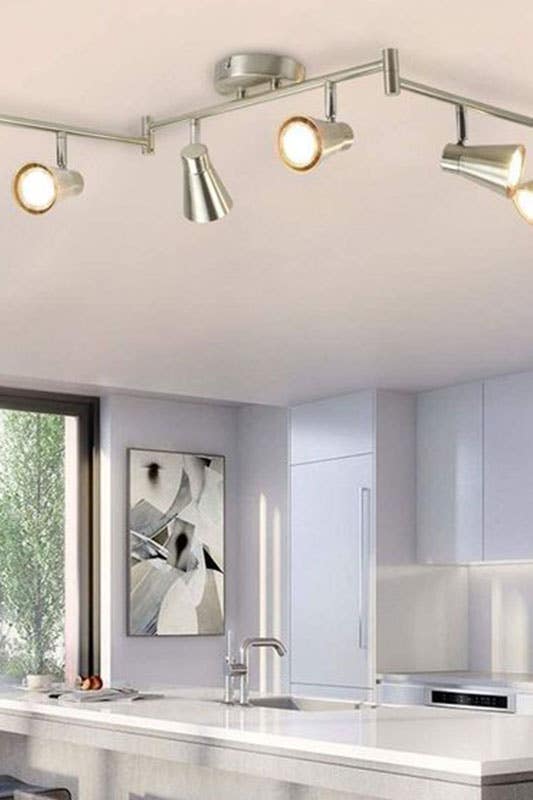
Single spotlight fixtures have a minimalist and streamlined design, which can contribute to a clean and uncluttered look in the kitchen. They offer a simple and understated kitchen lighting solution, especially in kitchens with a more minimalist or contemporary design aesthetic.
Layer: Accent / task
19. Dynamic Trio
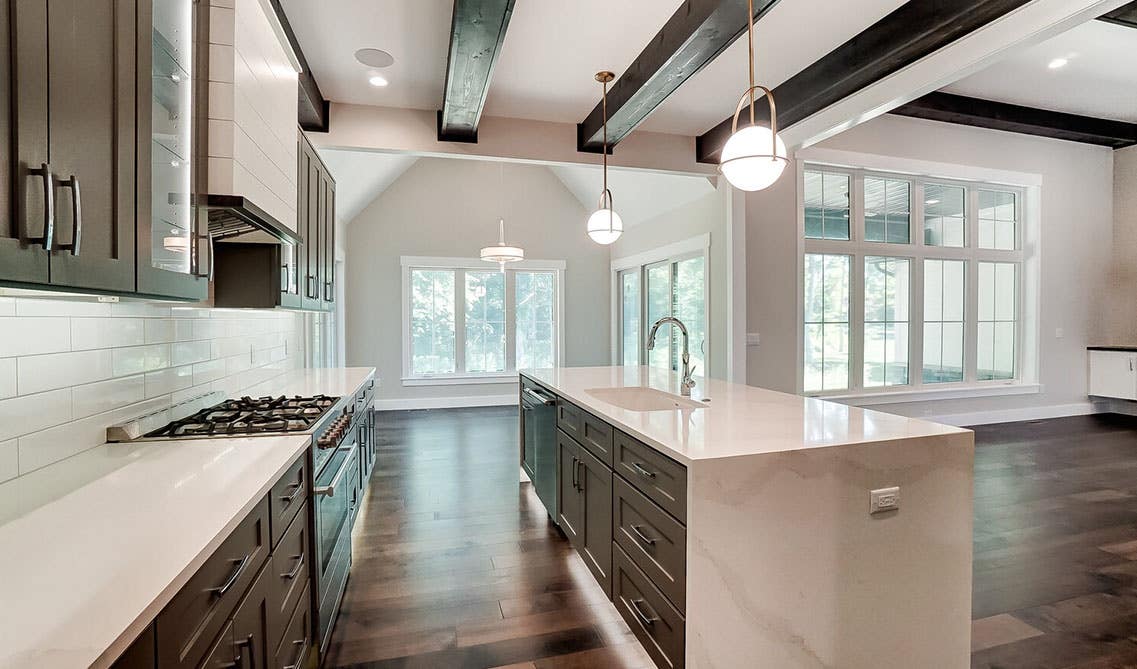
The dynamic trio lighting technique ensures comprehensive illumination throughout the space. Ambient lighting provides overall illumination, task lighting focuses on specific work areas, and accent lighting adds visual interest and highlights architectural features or decor. Together, they create a balanced lighting scheme that addresses different lighting needs within the room.
Layer: All four
20. Pendant Kitchen Lighting
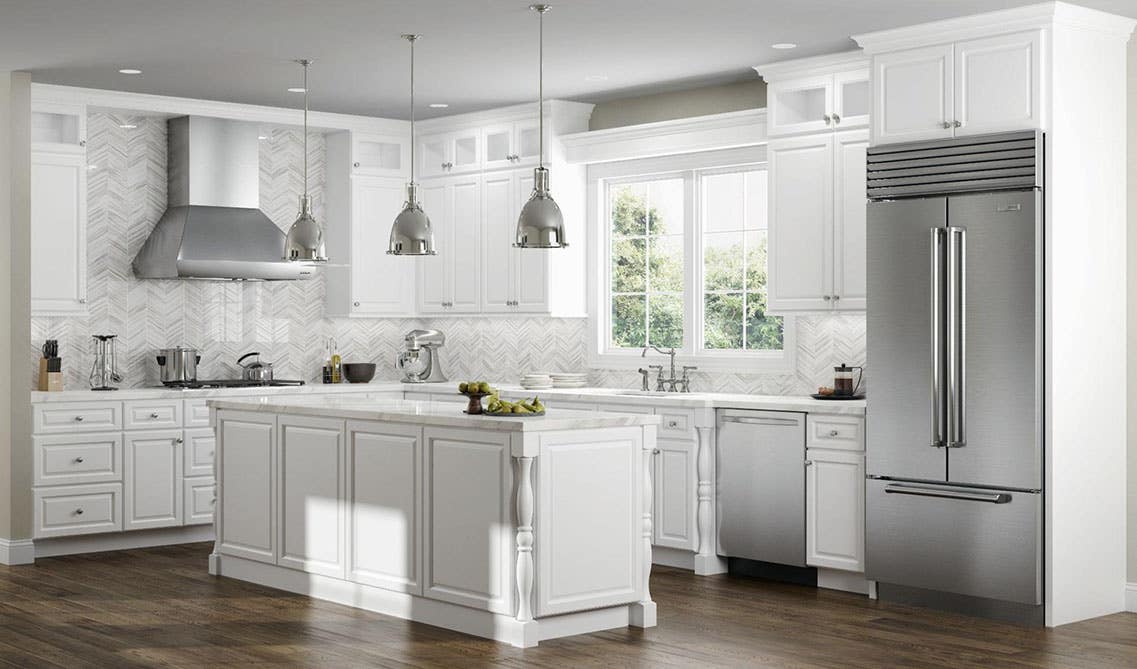
Pendant kitchen lighting can serve as a design statement and add a touch of elegance to your kitchen. The different variations of pendants allow you to create a visual impact. You can add a vintage or industrial flair to your kitchen's aesthetic.
Layer: Task + decorative
21. Elegant Kitchen Lighting
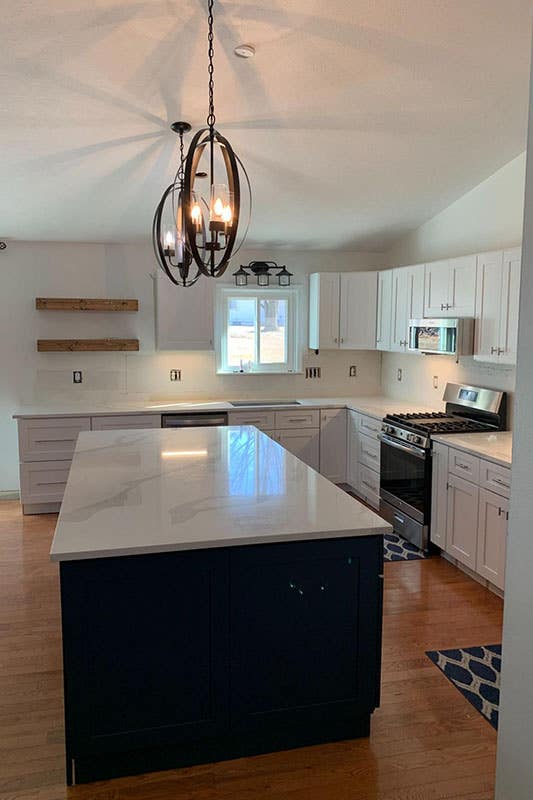
Elegant kitchen lighting offers versatility and flexibility in terms of design options and lighting control. You can choose from a variety of elegant fixtures, including chandeliers, pendant kitchen lights, wall sconces, or track lighting, depending on your style preferences and kitchen layout. Additionally, incorporating dimmers or smart lighting controls allows you to adjust the intensity and create different lighting scenes to suit various occasions.
Layer: Decorative
22. Cove Lighting
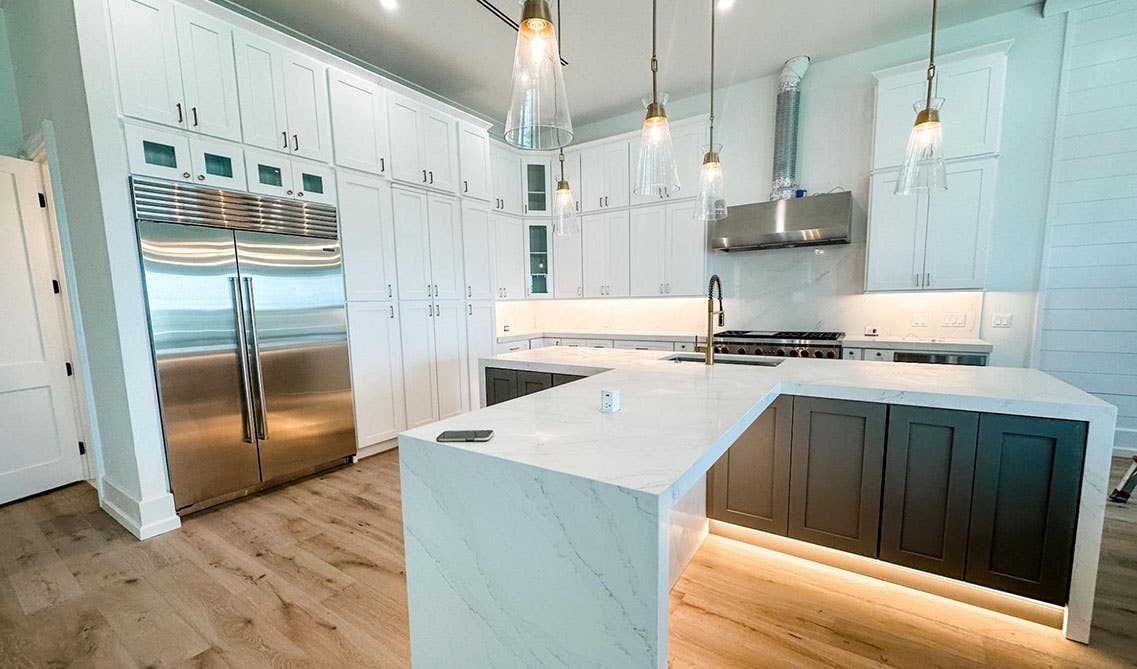
Cove lighting serves as a perfect source of ambient lighting in the kitchen. It provides general illumination to the entire space, helping to brighten the room and create a welcoming atmosphere. By installing cove kitchen lighting on a dimmer switch, you can easily adjust the intensity of the light, allowing you to set the desired mood and ambiance for different occasions.
Layer: Ambient
23. Geometric Fixtures
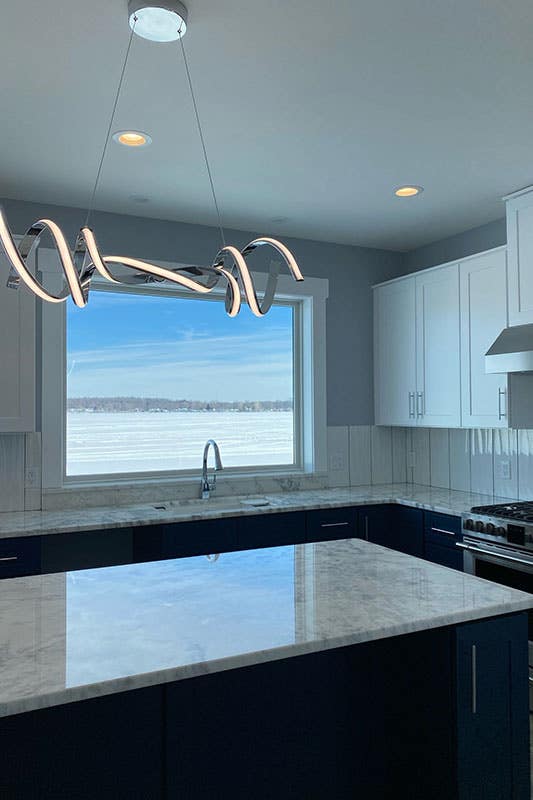
Geometric lighting fixtures add a unique and eye-catching element to the room. Their distinctive shapes and patterns create visual interest and become focal points in the space. Whether you prefer geometric pendant lights, chandeliers, wall sconces, or floor lamps, you can find fixtures to suit your specific design preferences and requirements.
Layer: Decorative
24. Farmhouse Lighting
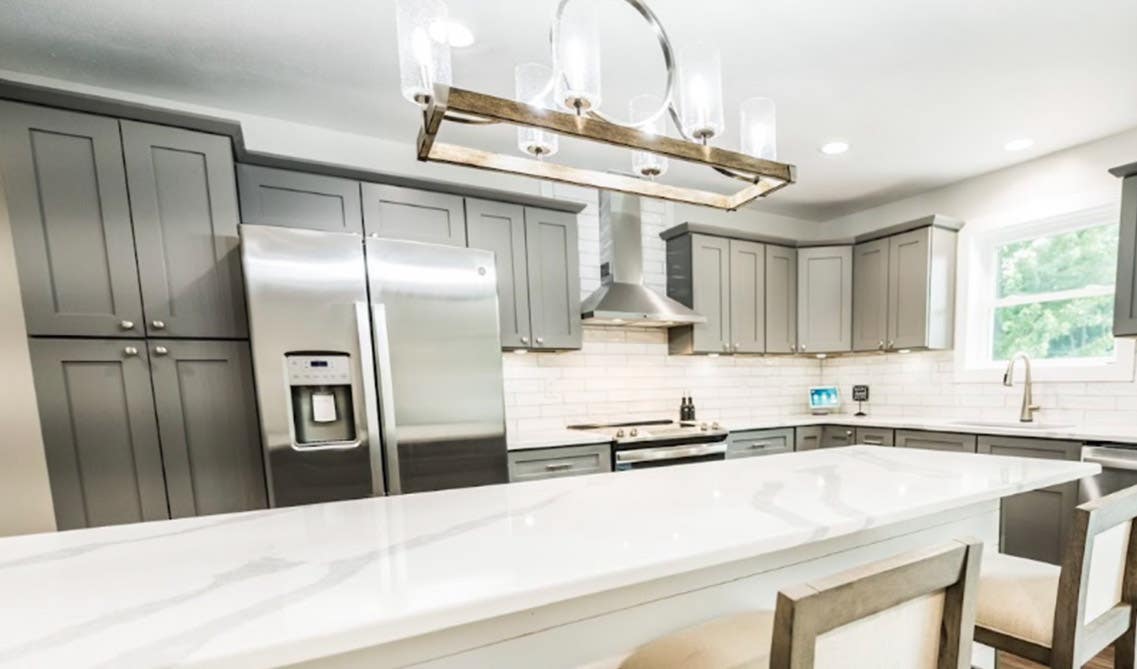
Choose lighting fixtures with rustic and farmhouse-inspired designs, such as barn lights or lighting with wood accents, to create a cozy and charming atmosphere in your kitchen.
Layer: Decorative
25. Directional Downlights
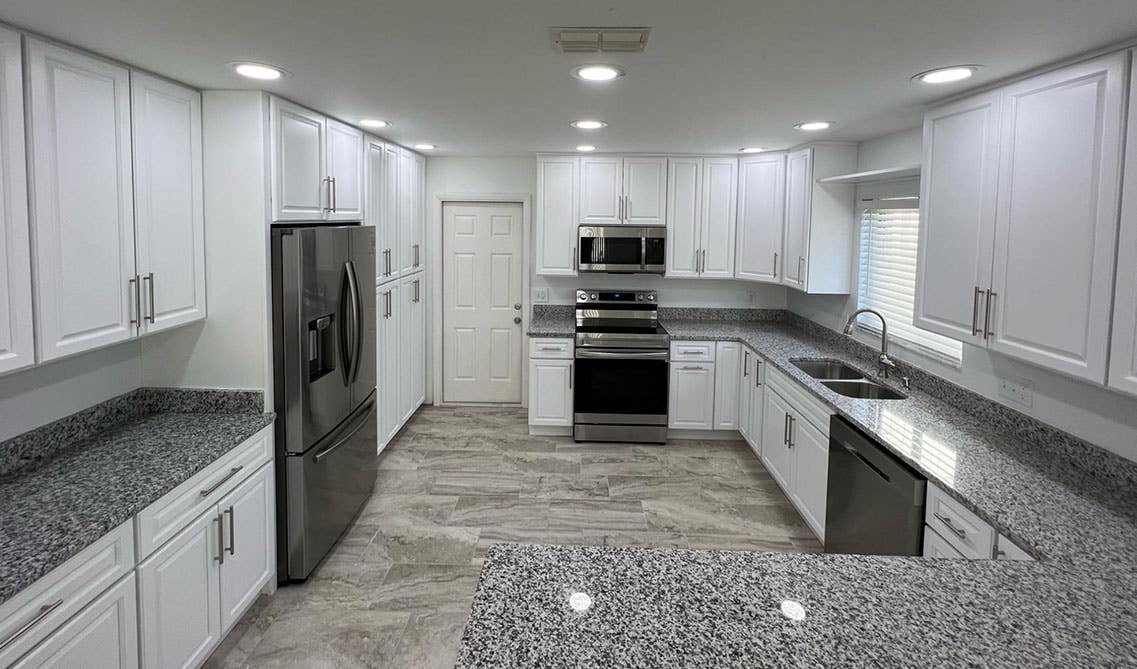
Directional downlights can be used to accentuate certain kitchen features, such as kitchen islands, backsplashes, or decorative elements. They draw attention to these areas, enhancing the overall aesthetics of the kitchen. Directional lighting is one of the most popular choices today for kitchens since they consist of LEDs. They have a longer operational life compared to traditional kitchen light sources, which means less frequent bulb replacements and reduced maintenance.
Layer: Ambient / accent
Related Blogs:
- How to Install Kitchen Cabinet Lighting
- How to Choose the Best Kitchen Lighting
- What’s the Best Under-Cabinet Lighting?
- Best Under Cabinet Lighting for Your Kitchen: A Buyer's Guide
- Kitchen Cabinet Lighting Ideas
Frequently Asked Questions
Layered lighting is best for a kitchen: task light on the counters, sink, range and island, ambient light from the ceiling, accent light for features like glass-front cabinets, and decorative fixtures such as pendants. Put each layer on its own switch so you can use bright light for cooking and softer light the rest of the time.
The kitchens that look best usually combine a few fixture types rather than one: recessed or flush lights for overall light, under-cabinet lights over the counters, and one style of pendant or chandelier over the island. Matching the metal finish and light color across them keeps the room calm.
We don't have reliable market data on lighting trends, so we won't name a 'top trend'. What today's design results keep showing is layered lighting, dimmable LED fixtures, statement pendants over the island, and natural materials such as woven and brass shades. Choose what suits your kitchen rather than what is new.
LED is the best lighting for kitchen cabinets. Use linear LED fixtures or LED tape under the wall cabinets for task light, small LED strips or pucks inside glass-front cabinets, and LED tape above or below cabinets for a soft glow. See our cabinet lighting ideas for where each one goes.
Add under-cabinet lights first, because dark cabinets throw deep shadows on the counter. Then add ambient ceiling light, pick light counters and backsplash tile, and light the inside of any glass-front cabinets. Our under cabinet lighting guide covers which fixtures to buy.
Directional downlights are one of the best options to include in your kitchen. They are long lasting and fit almost any kitchen layout and design. For a full plan, pair them with task lighting under the cabinets and over the island.
Pendant lights are a solid choice for ceiling lighting. They fit a wide variety of kitchen designs and come in many different styles!
Layered lighting is the best option for an open concept kitchen. The variety of styles allows you to create distinct lighting zones based on the different functions and areas of the kitchen.
LED lights not only look good in any space, they also last and stay bright for many years to come!










Comments