


Give chips one dedicated home instead of stacking them on a shelf. Stand the bags upright in a deep bin, basket or pull-out drawer at eye level, away from the stove and dishwasher. Clip open bags shut after squeezing the air out, or pour them into airtight containers. Put new bags behind old ones so the oldest gets eaten first.
- Stand bags up, do not stack them: a deep bin or drawer that holds bags upright stops the crushing and the avalanche, and lets you see every flavour at once.
- Heat and damp are the real enemy: keep snacks off the shelf nearest the stove, the dishwasher or a sunny window.
- Open bags need air squeezed out: roll the top down, clip it, or tip the chips into an airtight container. Air and moisture are what turn them soft.
- Oldest in front: new bags go behind the old ones, so nothing quietly goes stale at the back.
- The cabinet decides how well this works: a 24"-deep tall pantry cabinet, a deep drawer base or a pull-out organizer turns a messy shelf into a snack drawer you can actually reach into.
- Lily Ann Cabinets sells tall pantry and utility cabinets in 18" and 24" widths at 84", 90" and 96" tall, plus cabinet and drawer inserts (sizes checked September 23, 2026).
Organizing your kitchen pantry is no joke, and it's even harder to maintain pantry organization. If you are ready to embark on the daunting task of tidying up your pantry, you will love these 17 pantry organization ideas that will help declutter your kitchen and make life easier. If you want small appliances off the worktop, see appliance garage cabinets. Once the cabinets are in, see which cabinet organizer fits which cabinet.
The single hardest thing to store in a pantry is not the flour or the tinned tomatoes. It is chips. Family-size bags are tall, light, oddly shaped and easy to crush, so they slide, topple and end up half-eaten at the back of a shelf. That is where this guide starts.
How to organize chips in a pantry
Give chips one dedicated home instead of stacking them on a shelf. Stand the bags upright in a deep bin, basket or pull-out drawer at eye level, away from the stove and dishwasher. Clip open bags shut after squeezing the air out, or pour them into airtight containers. Put new bags behind old ones so the oldest gets eaten first.
Here is the whole method, in the order you should do it.
- Pick one spot and only one spot. Chips scattered across three shelves always look like a mess. Pull every bag out, pick a single shelf or drawer, and make that the snack zone. Keep it at adult chest height or lower so children can reach it without climbing.
- Stand the bags up, do not lay them down. A deep bin, wire basket or drawer that holds bags upright like files in a folder is what stops the toppling. You see every flavour at a glance and nothing gets crushed under a bag of tortilla chips.
- Keep the snack zone away from heat and damp. Skip the shelf closest to the stove, the dishwasher, the kettle or a sunny window. Warmth and moisture are what make chips soft, so a cool, dry, dark shelf is worth more than any container.
- Deal with opened bags straight away. Squeeze the air out, roll the top down tight and clip it, or tip the chips into an airtight container or jar. If a family-size bag is too tall for the bin once it is open, cut the top edge down as the bag empties.
- Put new bags behind old ones. Every time you unpack the shopping, slide the new bags to the back. This one habit is the difference between a tidy pantry and a tidy pantry with three stale bags hidden at the back of it.
Why chips go stale in the first place
Knowing what actually ruins them makes the storage rules obvious. Organizing specialists Savvy & Sorted list four culprits in their guide to storing chips in the pantry:
- Moisture from humid air or from opening and closing the bag, which turns a crisp chip soft.
- Air, which oxidises the oils in the chip and flattens the seasoning.
- Temperature swings, which dry the chips out and speed up everything moisture and air are already doing.
- Strong smells from other pantry foods, which seep into an open bag and change the flavour.
That is also why grouping matters: store chips with other snacks, not next to the coffee, the spices or the onions.
The cabinet side of snack storage
Bins and clips fix the bag. They do not fix a shelf that is too deep to reach into or too short to stand a bag up in. If your snack pile keeps collapsing no matter how many baskets you buy, the cabinet is the problem, not the chips.
| The problem | What fixes it | Where it lives |
|---|---|---|
| Bags topple and get crushed | A deep bin or basket that holds bags upright | Any shelf, but best at eye level |
| Everything disappears at the back | A pull-out organizer that brings the whole shelf to you | Inside a tall pantry or utility cabinet |
| Nowhere for bulk or family-size bags | A tall cabinet with adjustable shelves | A full-height pantry cabinet run |
| Snacks stored too high for children | A deep drawer at waist height | A drawer base cabinet in the kitchen run |
| Awkward narrow gap beside the fridge | A filler pull-out or narrow pantry cabinet | The gap itself |
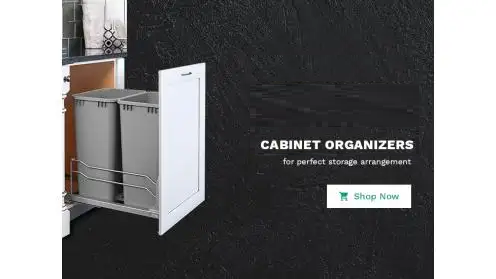
Lily Ann Cabinets builds its tall pantry and utility cabinets in 18" and 24" widths, at 84", 90" and 96" tall, on a 24"-deep box. That 24" depth is the part that matters for snacks: it is deep enough to stand family-size bags front to back rather than stacking them. The wood pantry pull-out is made for the 18"-wide version of those cabinets and slides the whole shelf out to you, which is the single best fix for the everything-vanishes-at-the-back problem. The rest of the cabinet and drawer inserts range covers spice dividers, roll-out shelves and lazy Susans. Sizes and stock were checked on September 23, 2026.
If you are still working out how much pantry you need, our pantry cabinet ideas guide covers the cabinet types, and walk-in pantry vs. cabinet pantry covers which one suits your kitchen.
17 pantry organization ideas
1. Tiered shelves
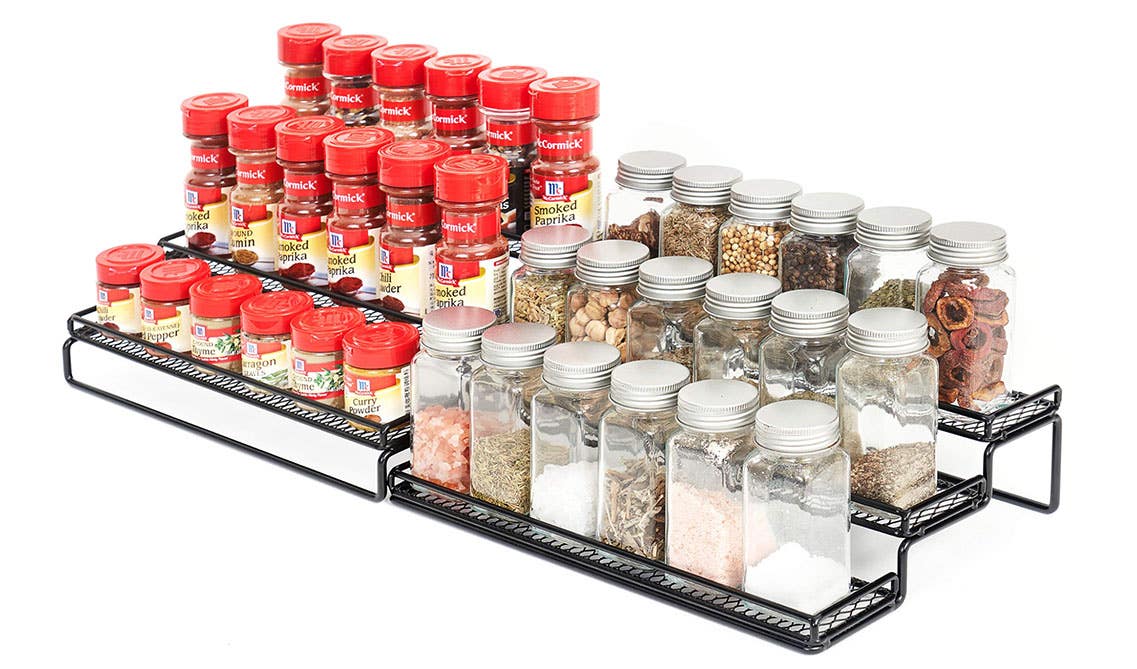
Storing cans and spices can be a pain, but they are critical to keeping your pantry organized. Using tiered, bleacher-style shelves makes them visible and easy to reach. With tiered pantry shelves, you'll never be confusing salt and sugar again! This is such a great way to implement pantry shelving ideas.
2. Mount a pot rack
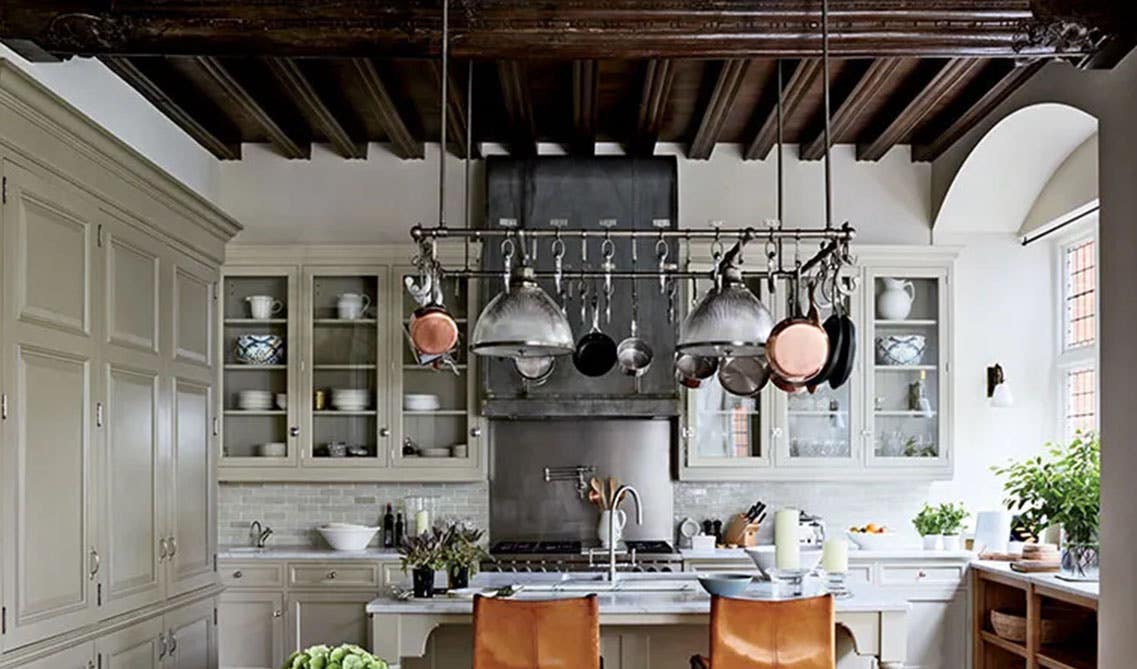
Help free up drawer space by removing pots and pans and hanging them instead. Mount a rack or some hooks to hang your pots and pans. Not only does this leave more storage for other kitchen essentials, but it can also be an aesthetic design choice that will elevate your kitchen.
3. Use jars for storing dry items
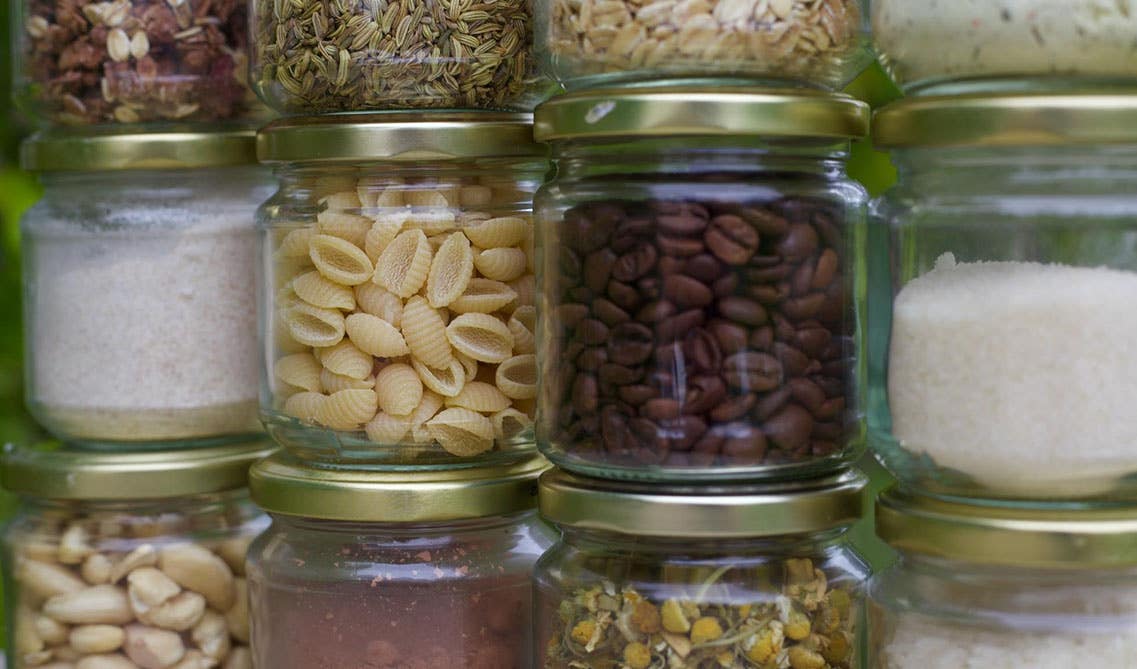
Another low-cost kitchen hack is using jars for storage and pantry organization. Jars store dry items like rice, beans, popcorn, and cereals. Repurposed mason jars and pasta sauce jars make for uniform storage containers.
4. Label, label, label
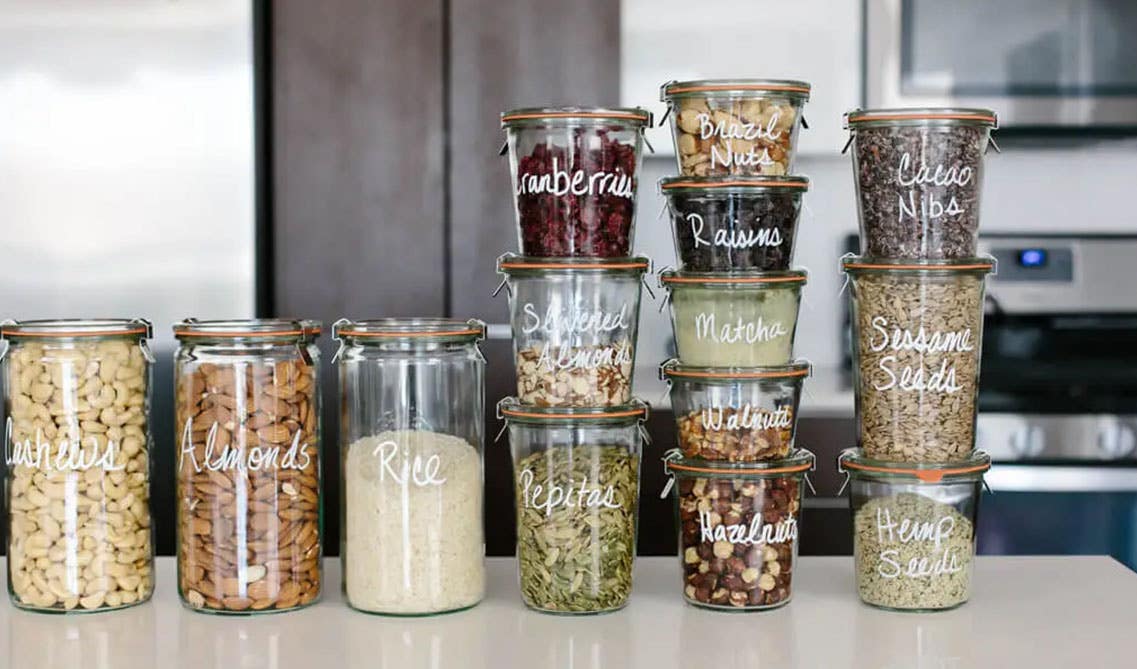
It is easier to keep a pantry neat when you label your containers. Buy a label maker, purchase a pre-printed pack, or use a marker to mark what is what. (You can also use a dry-erase marker to keep track of expiration dates.) You can get fancy and cute with your decals or keep it simple, but either way, it will tidy your kitchen and allows you to always know what food items are in which container.
5. Opt for pull-out drawers
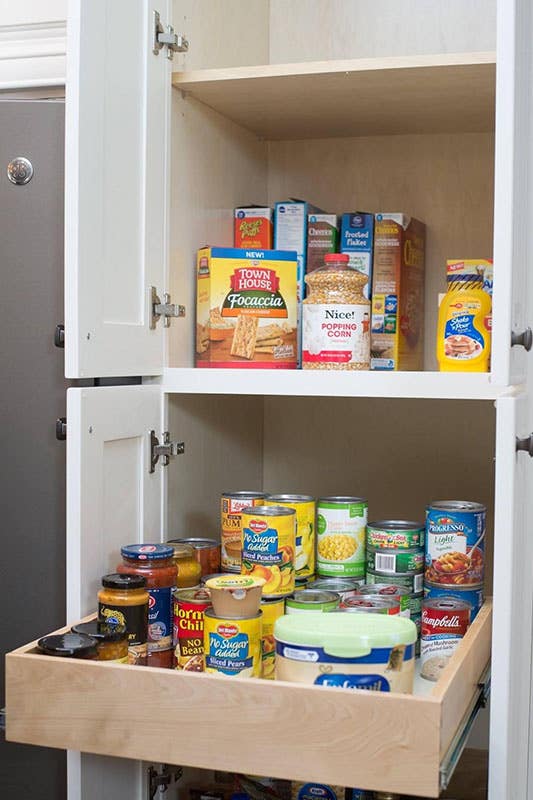
Implement pull-out drawers in your pantry organization instead of leaving empty spaces below your shelves. Fill the drawers with labeled containers to see what's inside without creating a mess and losing all the stuff that inevitably gets pushed to the back.
6. Create a grab-and-go snack station up
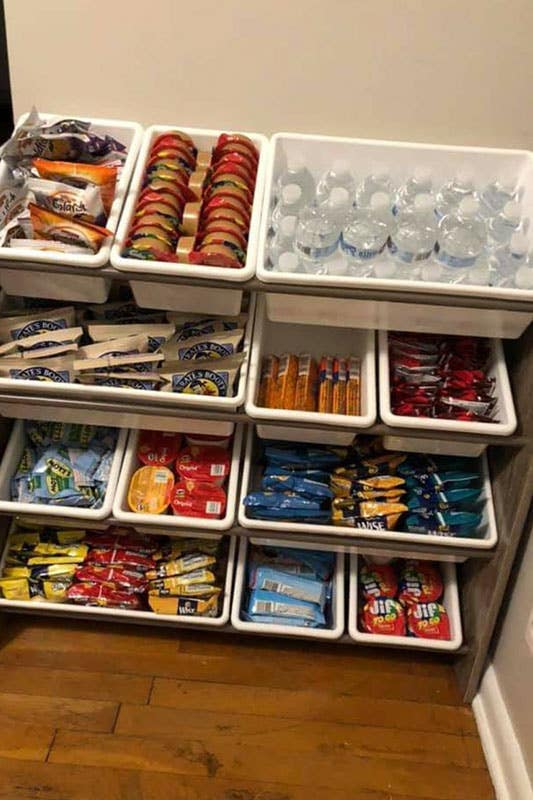
Make snacks easier to grab for you and your family by designating a specific bin or drawer for all snacks. This will simplify the process of grocery shopping, too, by making it obvious when you're low on specific snack items.
7. Hang chip bags with pants hangers
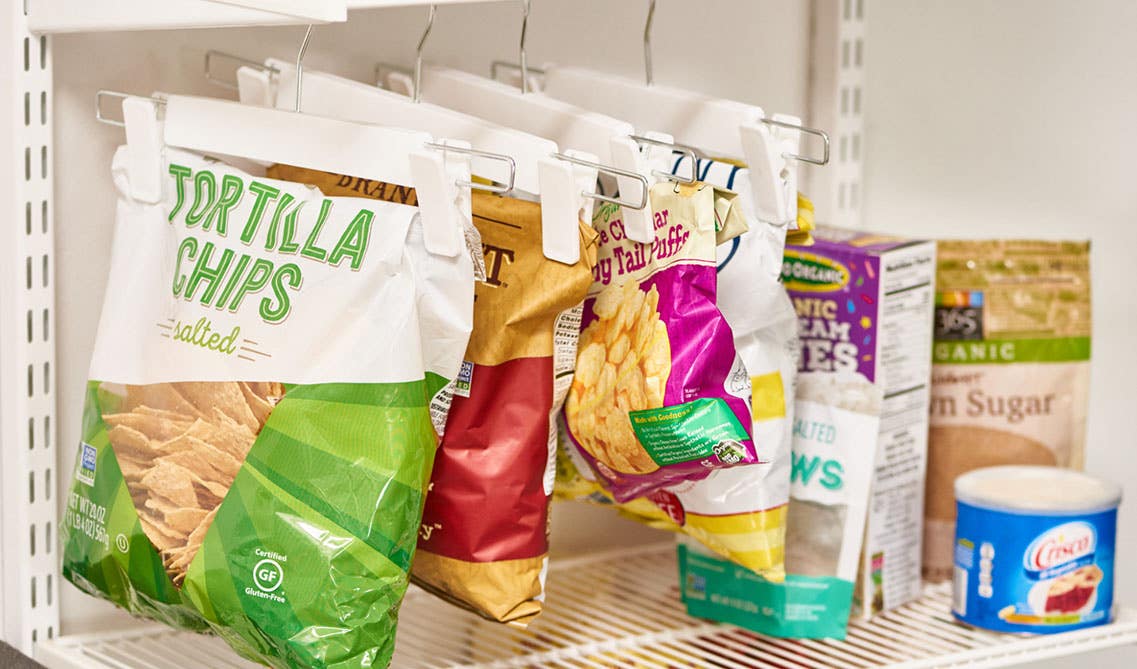
You can bypass the storage problem that chip bags cause by hanging them on clip hangers. Insert a wire and hang your chips from the wire, and you'll never find squished chips again!
This works best for unopened bags, and it is worth knowing why: hanging keeps the bags off each other so nothing is crushed, and it keeps every flavour visible. Child-sized hangers hold smaller bags without the clips sliding off. For opened bags, clip and seal them and stand them in a bin instead, so the air stays out.
8. Divide your cabinets vertically
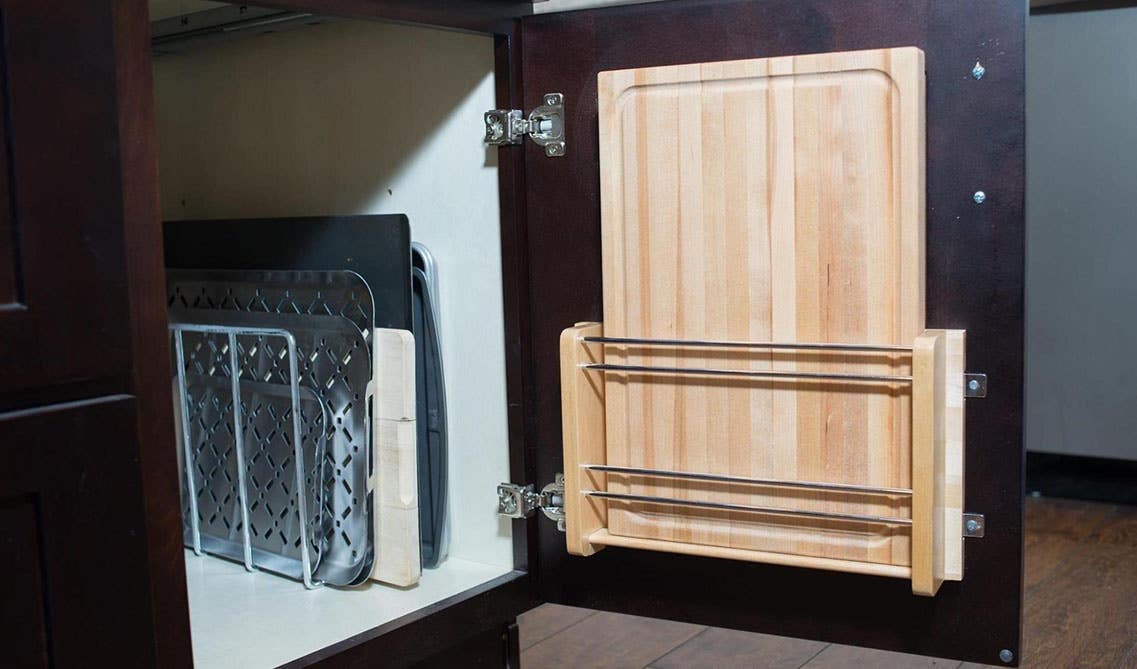
Dividing your cabinets vertically is especially useful for trays, cutting boards, pizza pans, and baking sheets.
9. Use a spice rack
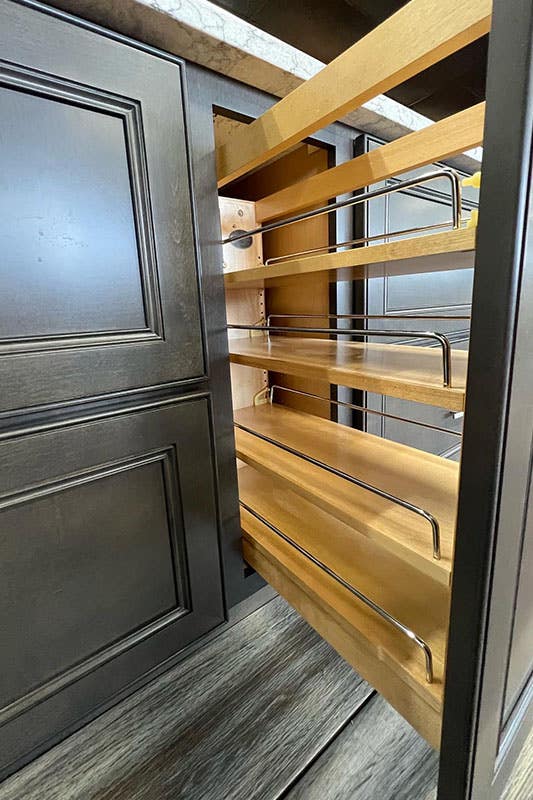
Spices are essential to most meals. You can never have enough spices. However, these little bottles are known for getting mixed up and lost inside a drawer or cabinet. By placing a spice rack on the back of the pantry door or the wall, you can see the label on all your spices and quickly locate the one you need.
10. Use a Lazy Susan in the corners
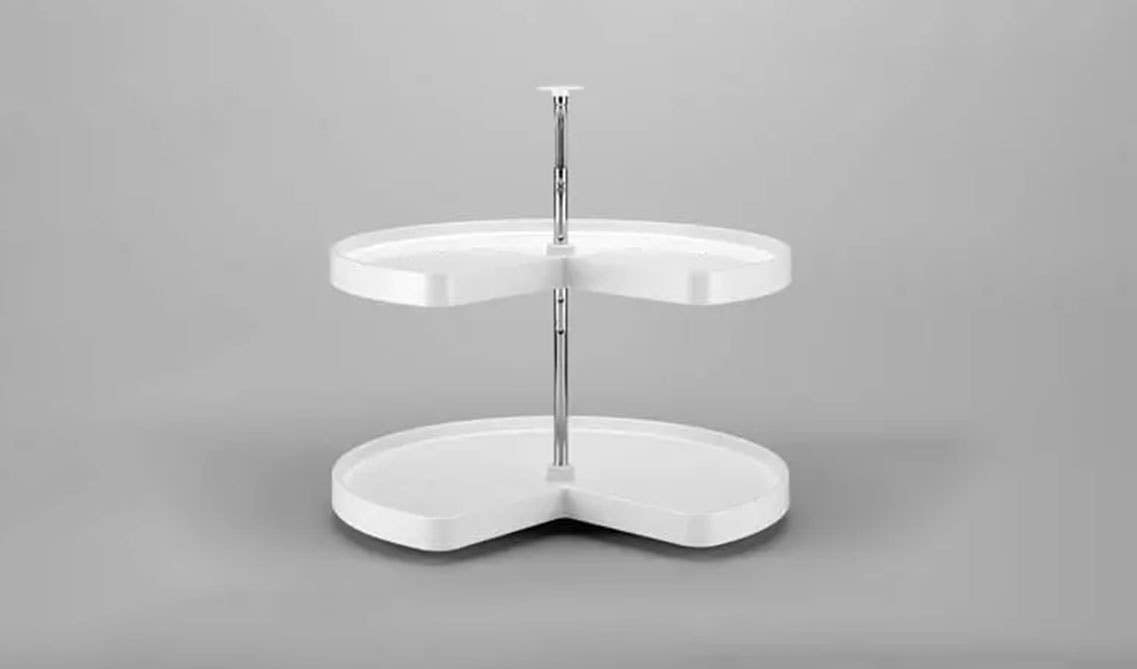
A Lazy Susan, also known as a turntable, fills blank corner space while helping you search for your oils, vinegar, and baking ingredients.
11. Hooks for hanging
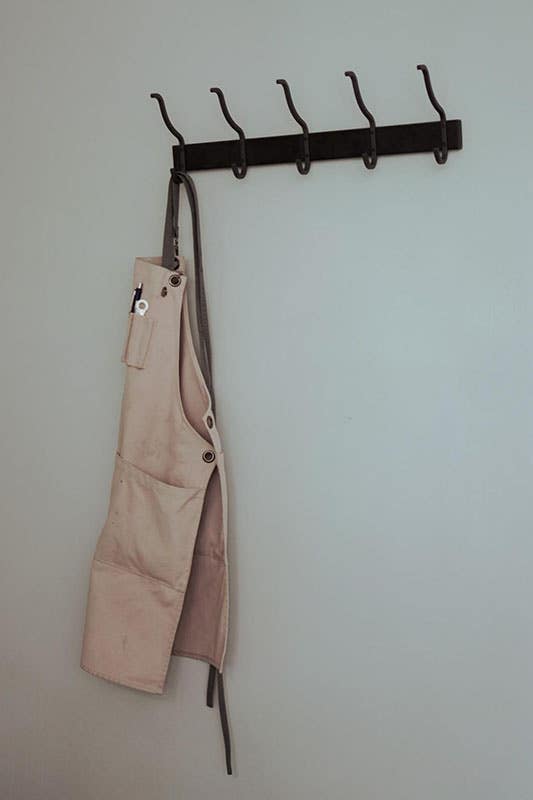
Command hooks are a savior in the world of pantry organization ideas and storage. Place a couple of command hooks throughout your kitchen to neatly store your aprons, oven mitts, and towels.
12. Create a pegboard
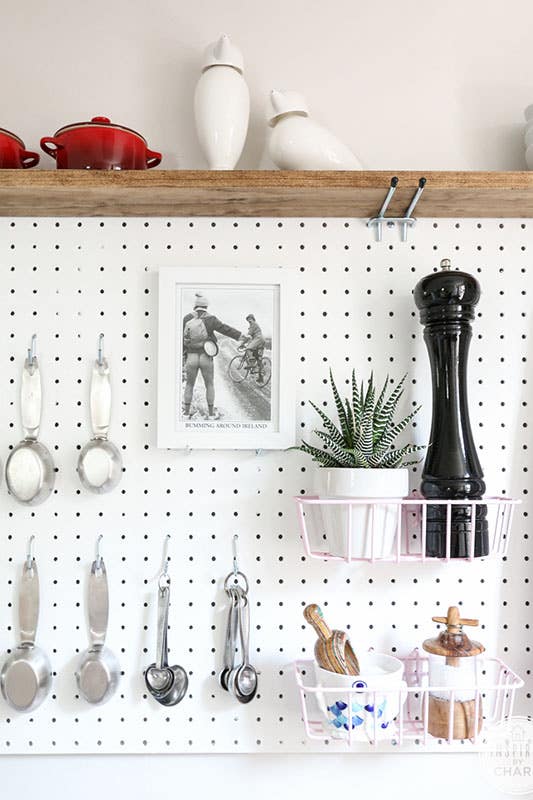
You get the best of both worlds when you add a pegboard to your kitchen. Not only do pegboards make storing measuring spoons a breeze, but they also upgrade your kitchen aesthetic. You can even hang your favorite art piece from the board for an artistic look.
13. Have a secret pantry space
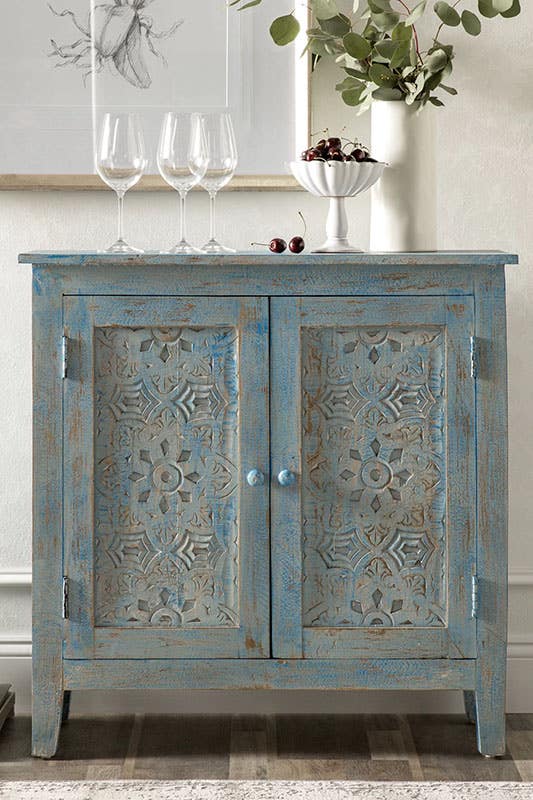
Nobody said the pantry has to be the only place for storage in your kitchen. Nobody will ever know you're hiding mugs and dishes inside of it. Make a chic, two-door accent cabinet the center of attention in your kitchen.
14. Use a library ladder
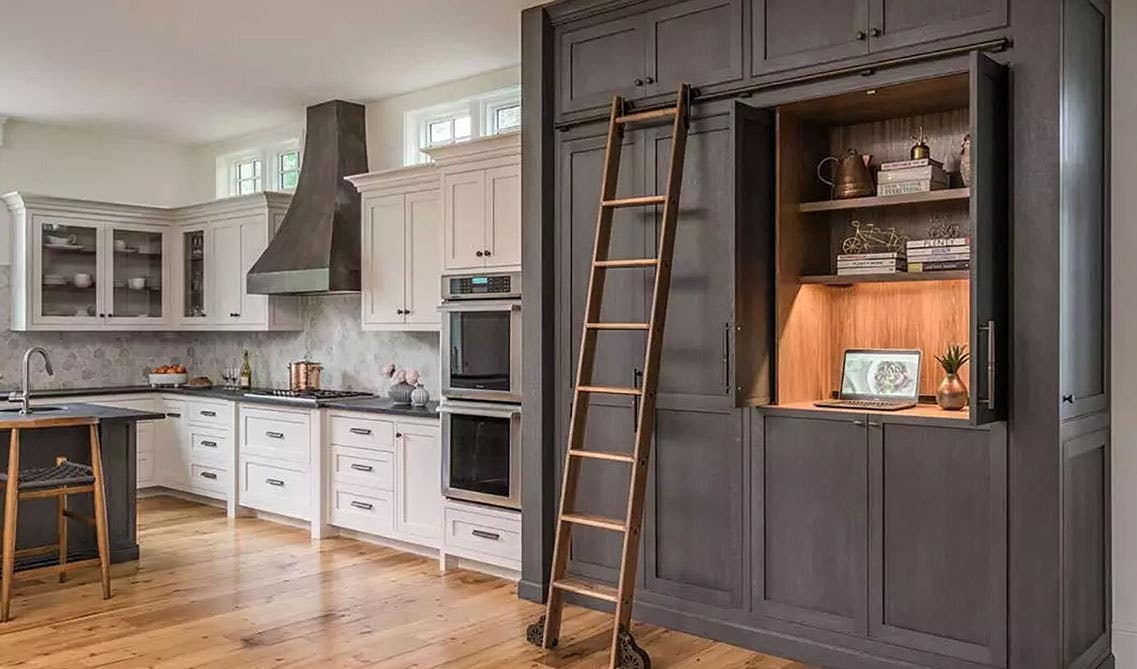
Make the best of your vertical space by keeping the lesser-used items high. To plan the gaps between shelves before you buy, use our guide to pantry shelf spacing and cabinet sizes. Buy a cheap library ladder to reach up to your space's nooks and crannies. They also add a flare of style and a unique talking piece to your home.
15. Make a cookbook wall
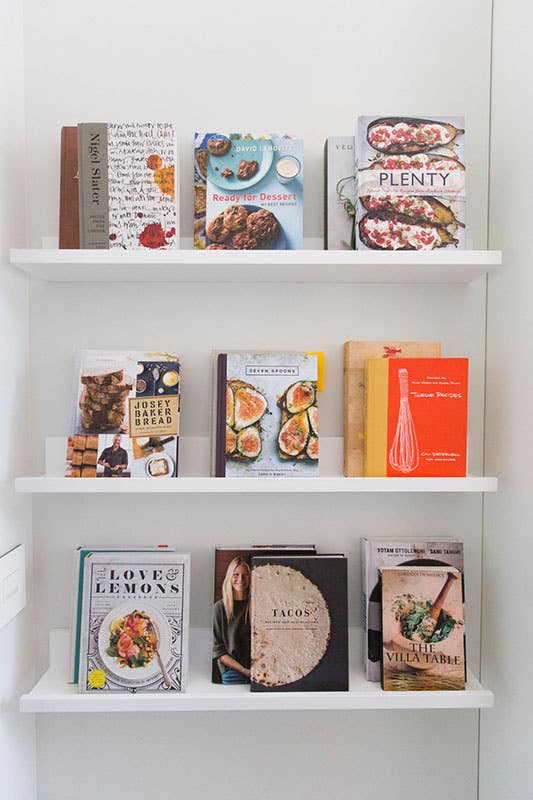
Enhance your space with an artistic wall display of your cookbook collection. Any real cook has hundreds of cookbooks taking up drawer space. Designer Jean Stoffer made a cookbook wall dedicated to Joanna Saltz's cookbooks by simply installing three thin shelves and propping them up.
16. Group similar items together
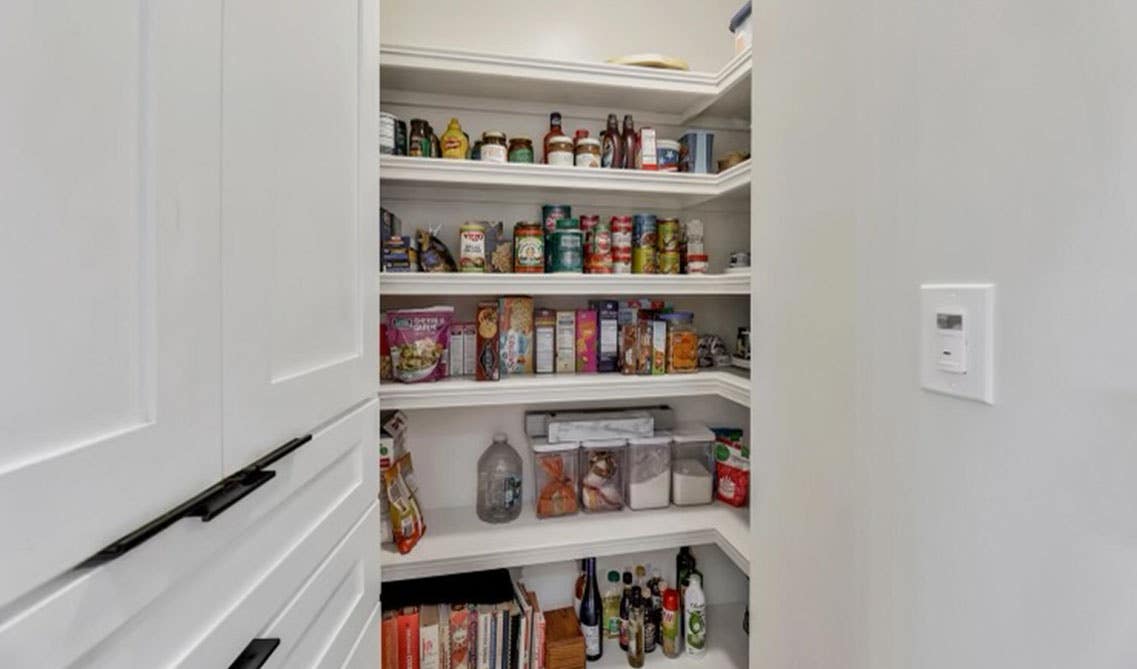
Separate your pantry into zones or areas of closely related items, so you know exactly where to find ingredients when making pasta or baking cookies. That's the same idea behind the kitchen's own 5 work zones — see our breakdown of kitchen zones for cabinets and drawers for how it extends past the pantry. Categorizing your pantry will help it stay well-kept and orderly.
17. Arrange your pantry with your family in mind
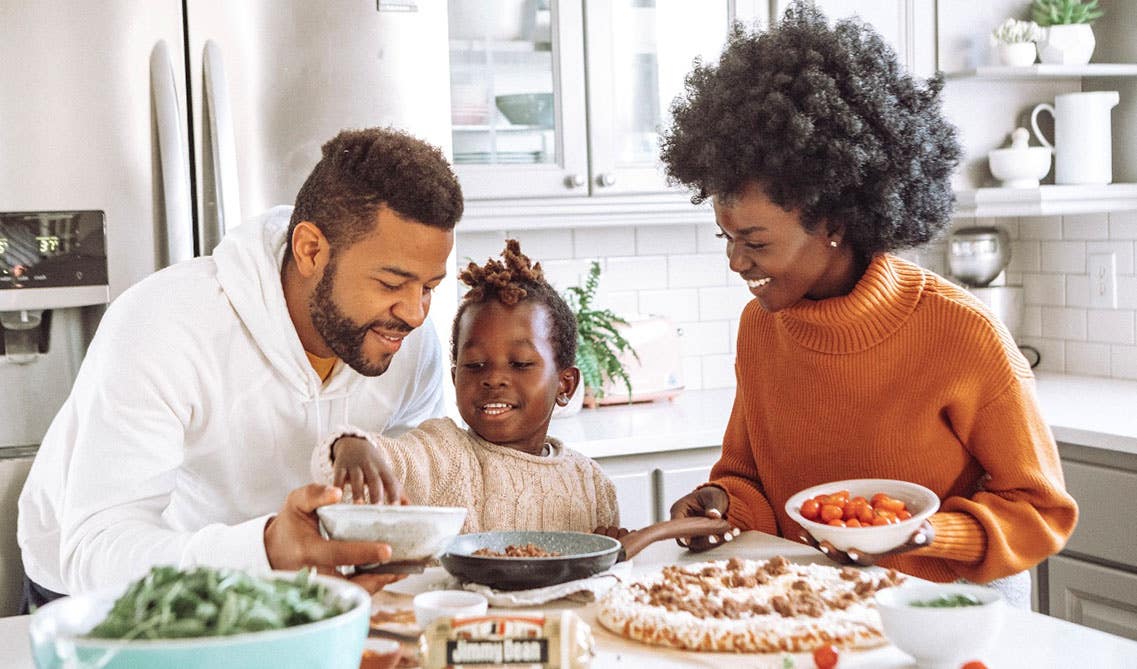
Chances are that you are not the one destroying your kitchen's orderliness. To keep your children or partner from wrecking the pantry every time they need something, arrange it with them in mind. This may be different for every family, but try to keep daily essentials at eye level and the items that aren't frequently used down low or up high.
What does not belong in a pantry
Half of pantry organization is deciding what should never have gone in there. A pantry shelf is warm, dry and often close to an appliance, which is wrong for a few common things:
- Anything next to a heat source. The shelf beside the stove, the oven wall or the dishwasher is the worst place for snacks, oils and chocolate, because the warmth speeds up staleness.
- Open bags with no seal. An open bag in a pantry picks up moisture and the smell of whatever is next to it. Clip it, container it, or do not store it.
- Strong-smelling foods next to snacks. Coffee, spices and onions transfer their smell into an open snack bag. Give them their own zone.
- Things you cannot see. Anything pushed to the back of a deep shelf is effectively thrown away. If a shelf is deeper than your arm, it needs a pull-out or a bin you can pull forward, not more stacking.
Pantry organization on a budget
The cheapest version of every idea on this page works. Clear plastic shoe boxes from a supermarket do the same job as designer bins. A marker and masking tape label as well as a label maker. Repurposed jars hold rice and pasta as well as a matching set does, as idea 3 says.
Spend money in one place only: the thing that gets items out from the back of a deep shelf. A single pull-out organizer or one deep drawer changes how the whole pantry works, because it is the depth you cannot reach into that creates the mess in the first place. If you are rebuilding the cabinets anyway, get that part right first and the bins become optional.
Lily Ann Cabinets has the products to make organizing your kitchen pantry possible. Visit the Lily Ann Cabinets Kitchen Visualizer to design your dream kitchen.
Related Blogs:
- 14 Smart Pantry Design Ideas from Kitchen Experts
- Maximizing Space in a Small Kitchen Pantry with 5 Clever Ideas
- Walk in Pantry vs. Cabinet Pantry – Which is Better?
- How to Organize Kitchen Cabinets: 7 Steps to Follow
- Junk Drawer No More: Tidy Up With These Kitchen Drawer Organizers
- What Goes in a Butler's Pantry, and Where
Frequently Asked Questions
Stand family-size bags upright in a deep bin, basket or drawer rather than stacking them flat. Upright bags cannot crush each other and you can read every label at once. If an opened bag is too tall for the bin, cut the top edge down as it empties so you can still reach the bottom.
Squeeze the air out of the bag, roll the top down tightly and clip it closed every single time, or tip the chips into an airtight container. Air and moisture are what make chips soft, so the less air left in the bag, the longer they stay crisp. Keep the sealed bag somewhere cool and dark, not next to the stove.
Any container that seals fully and is tall enough to take a whole bag's worth without crushing it. Glass jars and metal tins work well for crisps you will eat soon. For bags you want to keep sealed, a clip on the original bag is fine, because the bag itself already blocks light and air better than most containers do.
Group like with like, keep everyday items at eye level, and put anything you rarely use high or low. Move dry goods such as rice, pasta and cereal into clear containers so you can see what is running out. Leave the deepest, hardest-to-reach spots for bulk items you only fetch once a month.
Empty the shelves, group everything by type, and buy only containers. Clear plastic boxes from a supermarket, repurposed jars and masking-tape labels do almost everything the expensive sets do. Spend money on one thing only: something that pulls items out from the back of a deep shelf, because that is what creates most pantry mess.
Use the height. Add extra shelves so there is no wasted air above short items, stack tiered risers so the back row is visible, and hang hooks or a spice rack on the inside of the door. Then use the depth properly with a pull-out organizer, so the back half of a deep shelf is usable instead of forgotten.
Keep snacks, oils and chocolate off the shelf nearest the stove, oven or dishwasher, because heat and steam spoil them fastest. Do not store open, unsealed bags at all, and keep strong-smelling items such as coffee, spices and onions away from anything in an open bag, since the smell transfers.
Here is a list of pantry staples to add to your grocery list according to Bon Appetit.
Starting with the middle shelves will allow you to organize the most used items at eye level, making it easy for the whole family to access their favorite snacks.
Having adjustable shelving is the best for your pantry so you can rearrange your items and organize them based on size and frequency of use.







Comments