


subscribe to our Newsletter
Sleek and Modern: Contemporary Kitchen Design Ideas

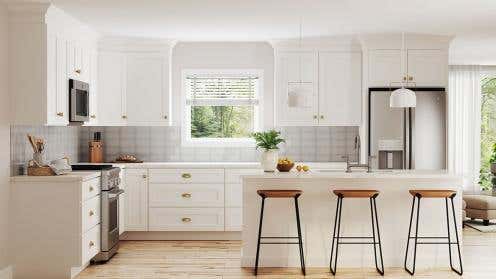
The kitchen is often considered the heart of the home, a place where culinary creativity, family bonding, and social gatherings all converge. In recent years, contemporary kitchen designs have gained immense popularity for their clean lines, minimalistic aesthetics, and efficient use of space. The beauty of contemporary kitchens lies in their ability to remain stylish and functional over time.
In this blog, we'll explore 15 contemporary kitchen ideas that maintain their timeless appeal.
1. Dark Wood Cabinets
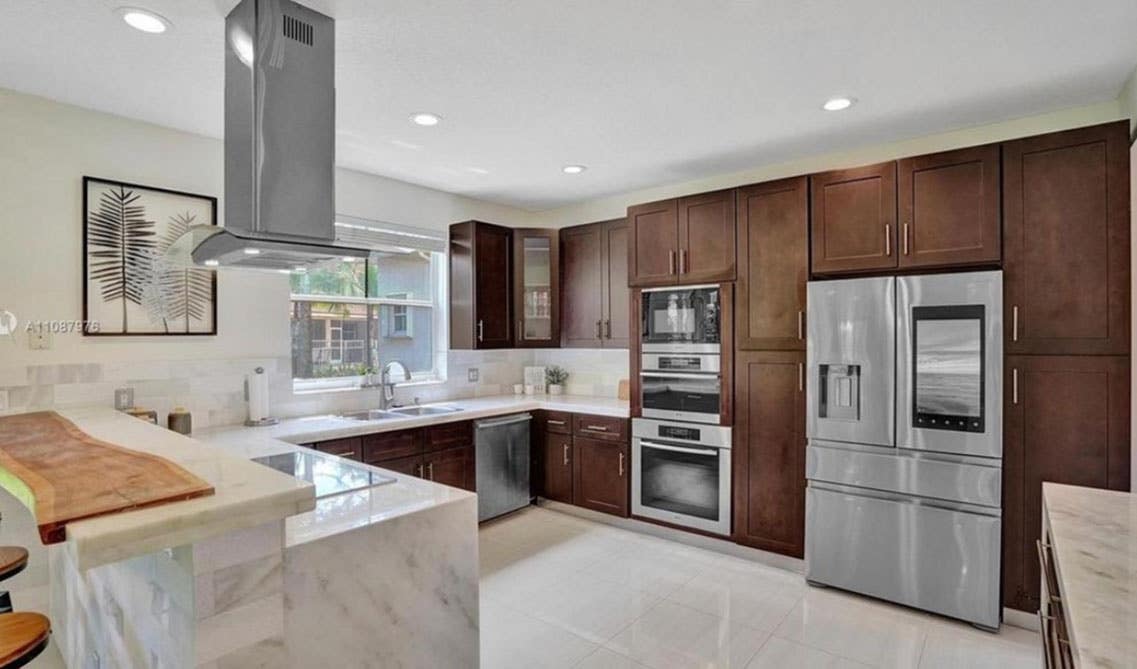
Lily Ann Cabinets: Shaker Espresso
Dark wood cabinets add a sense of warmth, elegance, and sophistication to any space. Their rich, deep tones, often achieved with woods like mahogany, cherry, or walnut, bring a timeless charm to kitchens, bathrooms, or living areas. These cabinets can create a striking contrast when paired with lighter-colored walls or countertops, offering a balance that is both visually appealing and cozy.
Moreover, dark wood cabinets are versatile, complementing various design styles, from traditional to contemporary, and are known for their durability and ability to withstand the test of time. Whether aiming for a classic, rustic, or modern look, dark wood cabinets can be a key element in achieving a well-rounded, inviting, and stylish interior.
2. Pops of Color
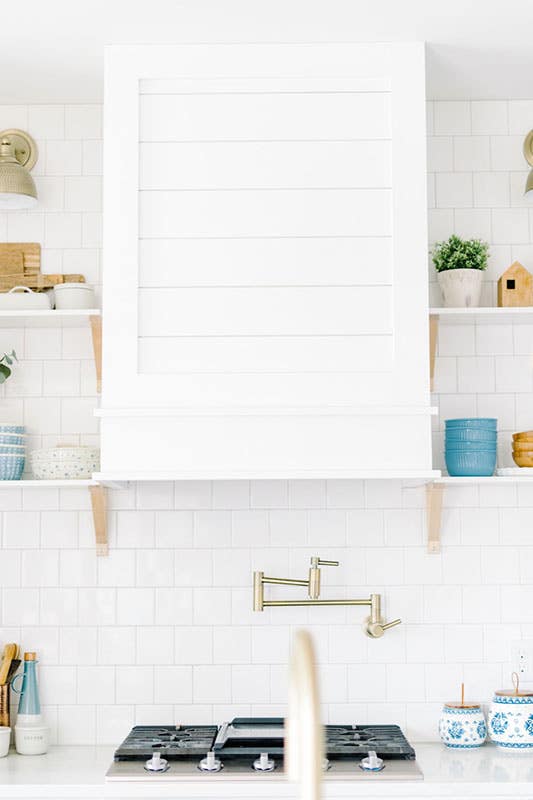
Adding pops of color to a kitchen is a delightful way to infuse personality and vibrancy into the heart of your home. Whether you opt for a bold red, a calming blue, or a lively yellow, strategically placed colorful elements can transform a neutral kitchen into a space full of character. This can be achieved through various means, such as brightly colored appliances, colorful backsplash tiles, vibrant dishware, or even a painted accent wall.
These splashes of color not only enliven the room but also reflect your personal style and can be easily changed or updated to keep the kitchen in tune with evolving trends or seasons. The key is finding the right balance between the color and the existing elements in your kitchen, creating a harmonious and inviting environment where you can enjoy cooking, dining, and gathering with family and friends.
3. White Kitchens
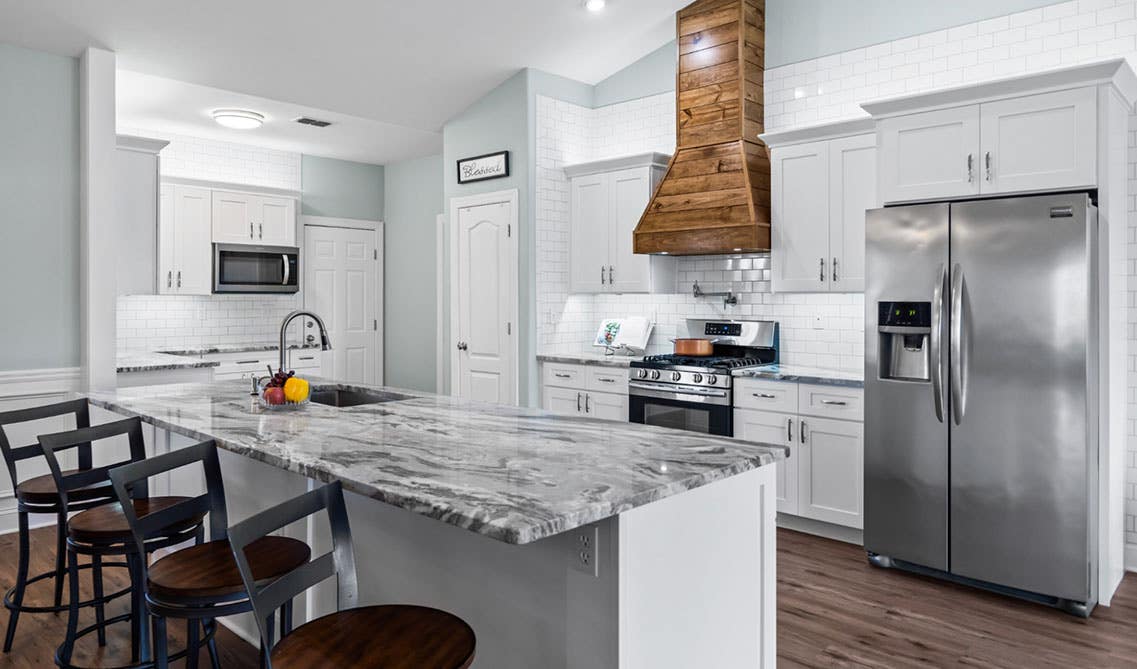
Lily Ann Cabinets: Colorado White Shaker
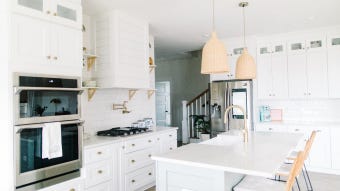
White cabinets can be a stunning addition to your kitchen, bringing an air of freshness and timeless elegance. Known for their quality and craftsmanship, Lily Ann Cabinets offers a wide range of white cabinet styles, allowing you to find the perfect fit for your kitchen's aesthetic. These cabinets can create a bright, open, and inviting atmosphere, making your kitchen feel more spacious and versatile.
White cabinets also serve as a versatile canvas for various design choices, whether you want to maintain a clean, monochromatic look or introduce contrasting elements through colorful backsplashes or vibrant accessories. With Lily Ann Cabinets, you not only get the benefits of beautiful, high-quality cabinetry but also the flexibility to customize your kitchen to reflect your unique style and preferences.
4. Tile Backsplash
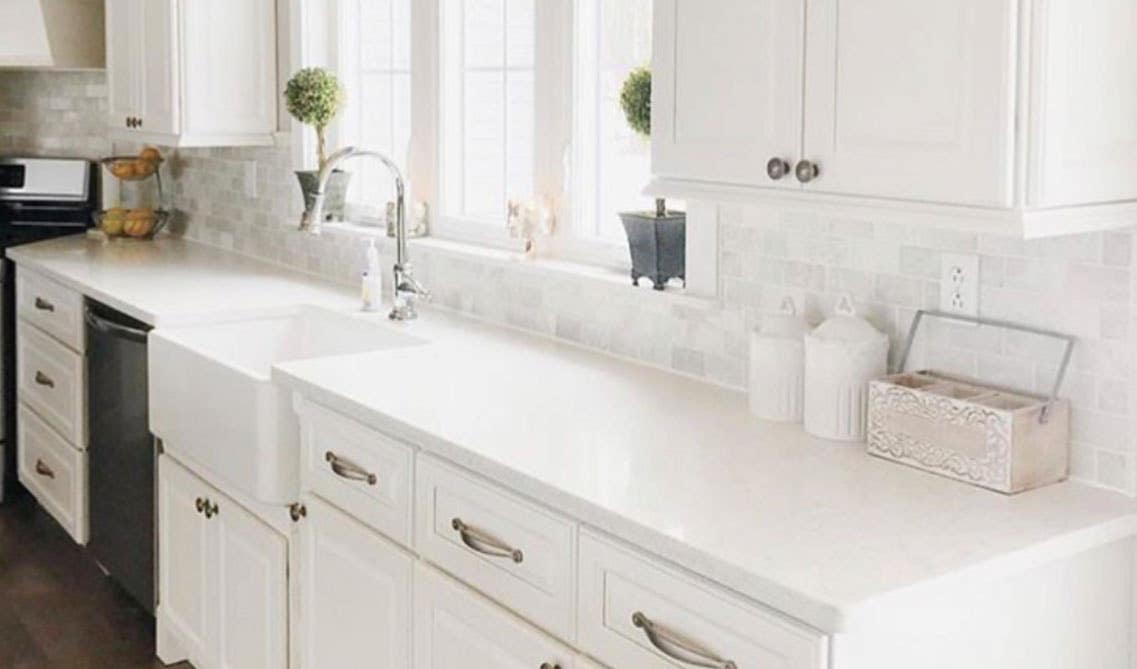
Lily Ann Cabinets: Summit White Shaker
Adding a tile backsplash to a contemporary kitchen is a surefire way to elevate its overall aesthetic appeal. Contemporary kitchens are characterized by clean lines, sleek designs, and a focus on minimalist aesthetics. A well-chosen tile backsplash can enhance these qualities while also providing a pop of texture and color.
Whether you opt for a classic subway tile, a bold geometric pattern, or a mosaic of metallic accents, the backsplash becomes a canvas for self-expression within the kitchen. Not only does it serve a practical purpose by protecting the walls from spills and splatters, but it also adds a layer of visual interest and can tie the entire space together. The choice of tile material, color, and pattern allows for customization, ensuring that your contemporary kitchen reflects your unique style and remains visually striking for years to come.
5. Natural Wood
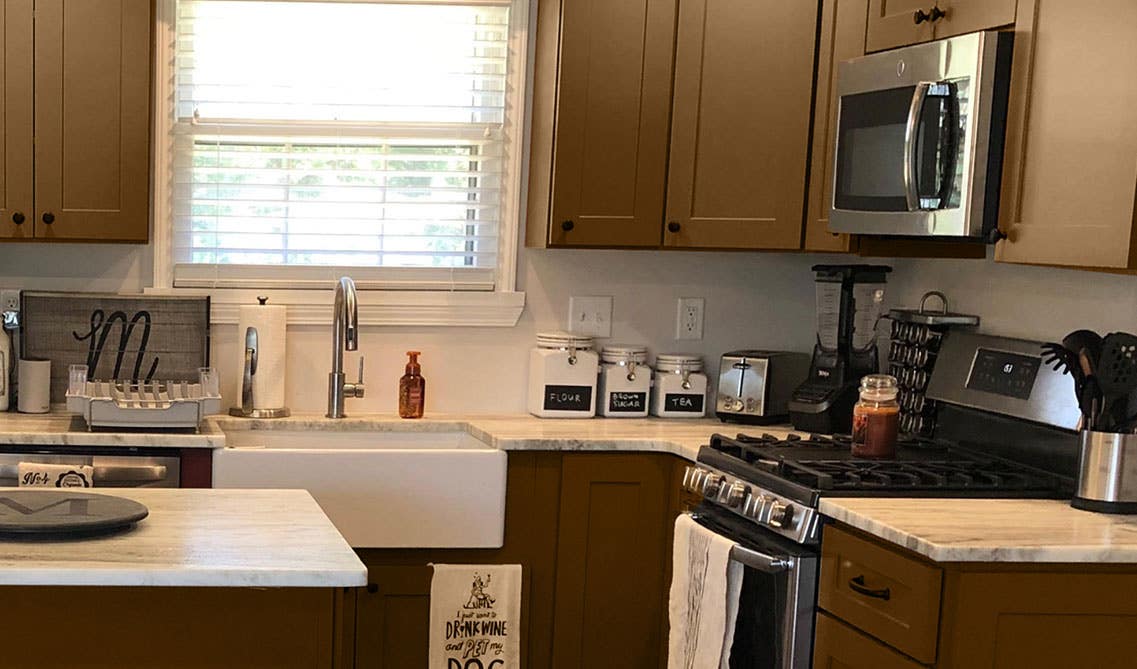
Lily Ann Cabinets: Shaker Cinnamon
Natural wood cabinets can be a stunning addition to your kitchen, infusing it with a warm, timeless, and inviting ambiance. The rich, authentic natural wood and premium craftsmanship from Lily Ann Cabinets create a sense of character and sophistication that sets your kitchen apart. These cabinets are not only visually pleasing but also durable, making them a practical choice for a frequently used space.
The variety of wood finishes, from oak to maple, allows you to find the perfect match for your design preferences, whether you lean towards a rustic, traditional, or modern style. With Lily Ann Cabinets' dedication to quality, your kitchen space can be elevated to a new level of charm, making it a true focal point in your home.
6. Contemporary Kitchen Shiplap
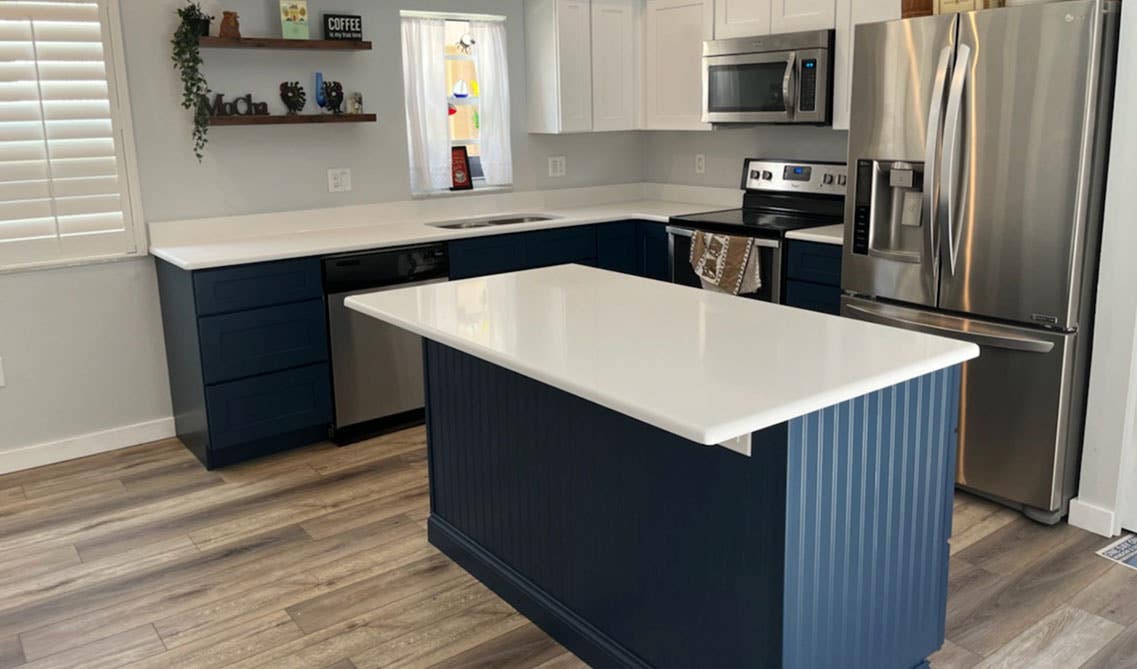
Lily Ann Cabinets: Navy Blue Shaker
Contemporary kitchen shiplap, a design trend that merges the traditional charm of shiplap with modern aesthetics, brings a touch of character and sophistication to kitchen spaces. Shiplap, known for its horizontal wood paneling, adds a subtle texture and visual interest to the kitchen's backdrop. In contemporary kitchens, this design element is often used sparingly, as an accent wall or a backsplash, providing a perfect canvas for mixing and matching various materials and colors.
It beautifully combines the warmth of natural wood with the clean, sleek lines of modern design, creating a harmonious balance that can easily fit into a range of kitchen styles. Contemporary kitchen shiplap is a unique way to introduce a touch of rustic charm while maintaining a fresh and timeless appeal.
7. Colorful Tile
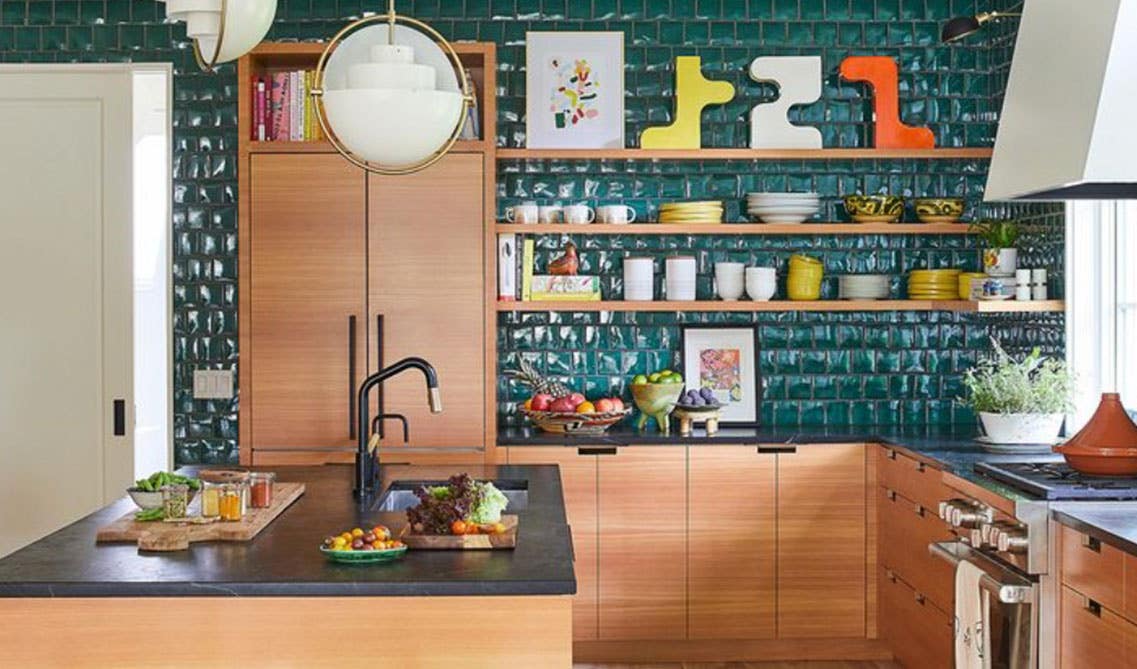
Adding colorful tiles to a contemporary kitchen is a brilliant way to inject vibrancy and personality into the space. These colorful tiles can serve as a focal point, creating a visually stunning contrast against the clean lines and neutral palette typical of contemporary design. Whether it's a bold geometric pattern or a mosaic of rich hues, colorful tiles infuse energy and life into the kitchen, making it a dynamic and inviting environment.
They provide an opportunity to express your unique style, and the versatility of colorful tiles allows you to play with different shades, patterns, and textures, creating a kitchen that's both on-trend and timeless. Furthermore, tiles are easy to clean and maintain, making them a practical choice for a room that sees a lot of culinary action.
8. Cozy Off-White Kitchen
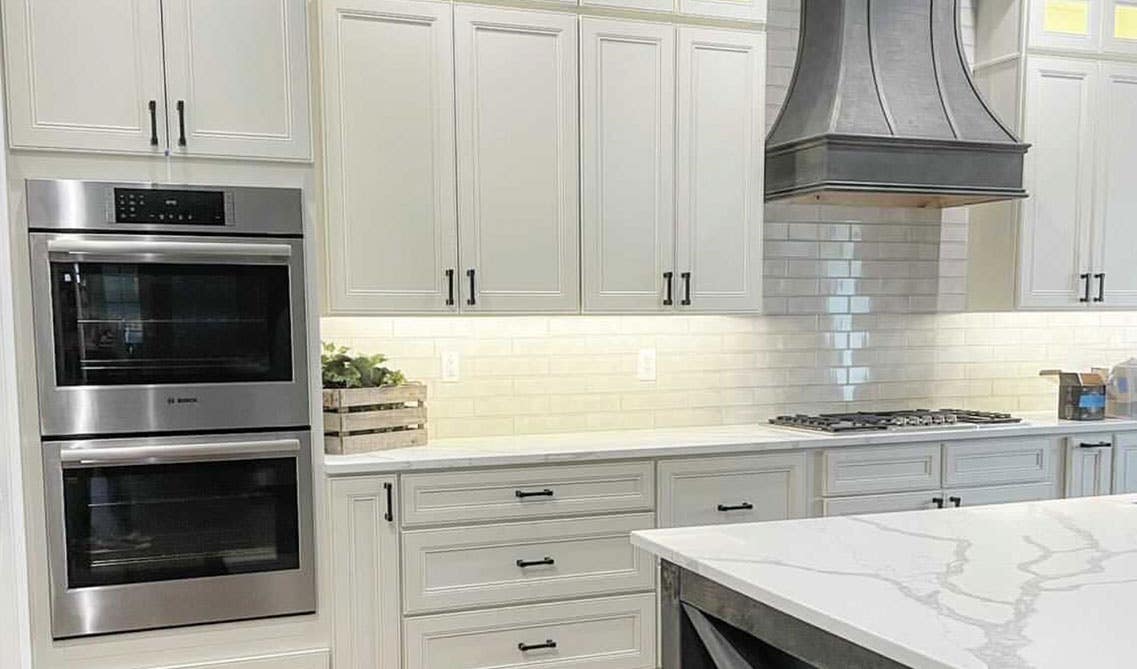
Lily Ann Cabinets: York Linen
Introducing off-white York linen cabinets from Lily Ann Cabinets to a contemporary kitchen is a brilliant design choice that effortlessly marries the timeless elegance of traditional cabinetry with the clean lines and minimalistic aesthetics of a modern space. These cabinets, with their soft off-white hue and exquisite craftsmanship, exude a sense of luxury and sophistication.
Their versatile and neutral color palette serves as a perfect canvas to experiment with various complementary elements, such as sleek hardware, textured backsplashes, and high-end appliances. The off-white York linen cabinets not only brighten up the kitchen but also create a sense of airiness and warmth, making the space feel inviting and stylish. Their ability to blend seamlessly with a contemporary setting ensures that your kitchen maintains its chic and timeless appeal for years to come.
9. Bold Colors and Patterns
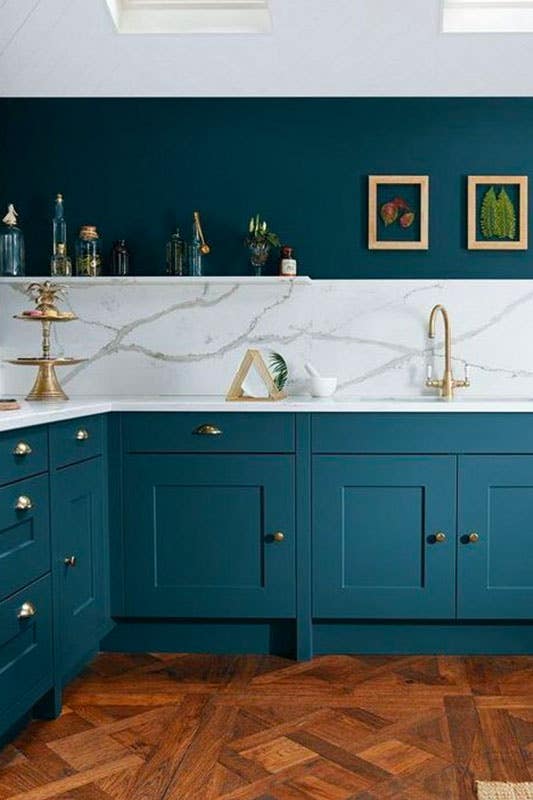
Incorporating bold colors and patterns into a contemporary kitchen is a brilliant way to infuse life and personality into the space. Whether through striking backsplash tiles, vibrant cabinetry, or eye-catching accents, these bold design elements can transform a minimalist, neutral backdrop into a visually captivating culinary haven. The infusion of vivid colors and intricate patterns can serve as a dynamic focal point, creating a sense of depth and excitement.
The key to success is achieving a delicate balance, ensuring that the bold elements harmonize with the overall design, creating a cohesive and inviting environment. In contemporary kitchens, this approach allows you to express your unique style while maintaining the sleek and functional aspects that define this modern aesthetic.
10. Warm White Kitchen
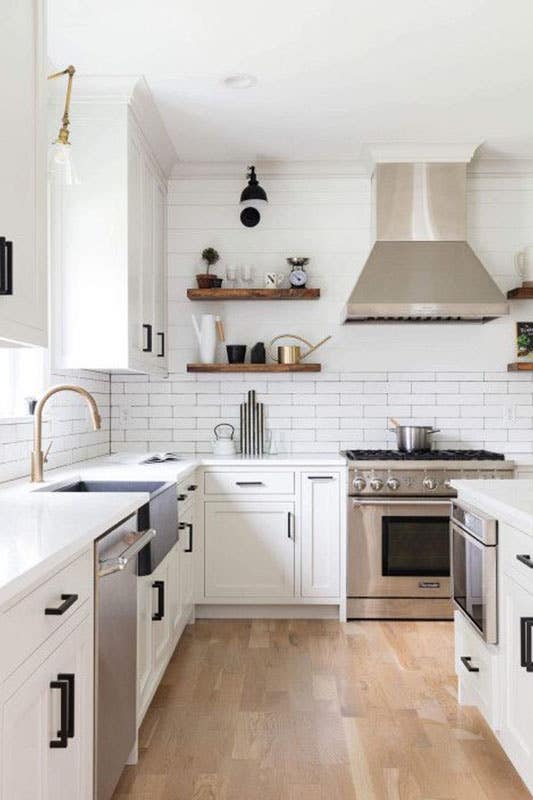
A warm white kitchen is a prime example of contemporary design that blends the timeless allure of white with cozy, inviting elements. In a warm white kitchen, clean lines and minimalistic aesthetics take center stage, while the choice of a slightly warmer shade of white for cabinets and walls creates a welcoming atmosphere. This approach allows for a serene, uncluttered space where natural light plays a pivotal role.
These kitchens often incorporate wood or other natural materials in the design to add warmth and a touch of character, effectively balancing the coolness of white with the comfort of a more traditional kitchen. The result is a harmonious, contemporary kitchen that feels both stylish and approachable, making it the perfect setting for culinary creativity, family gatherings, and modern living.
11. Warm Wood Features
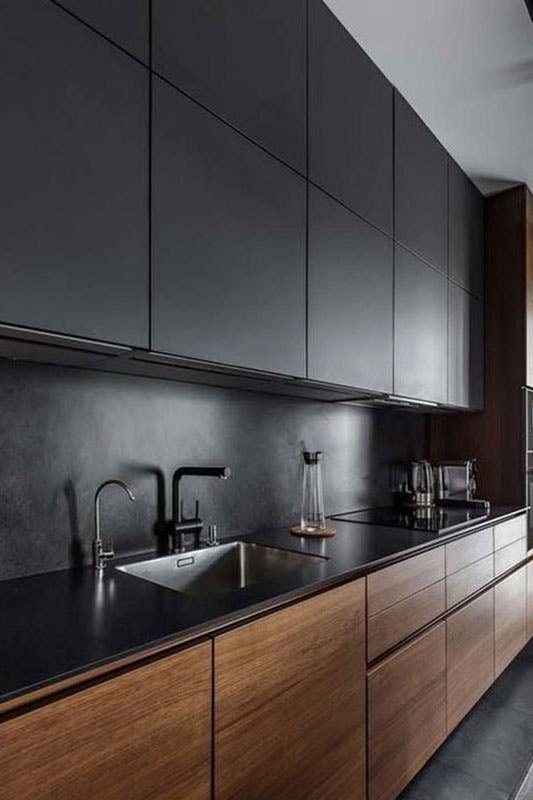
Incorporating wood features into a contemporary kitchen is a design choice that effortlessly bridges the gap between traditional warmth and modern sophistication. Whether it's exposed wooden beams on the ceiling, a reclaimed wood island, or wood veneer cabinetry, these elements introduce natural textures and a sense of coziness into an otherwise sleek and minimalist kitchen.
The juxtaposition of wood against the clean lines and neutral tones of contemporary design creates a visual harmony that appeals to both the eye and the touch. This marriage of old and new not only adds depth and character to the space but also ensures that the kitchen remains a welcoming and timeless environment, where functionality meets aesthetic allure.
12. Blue Kitchens
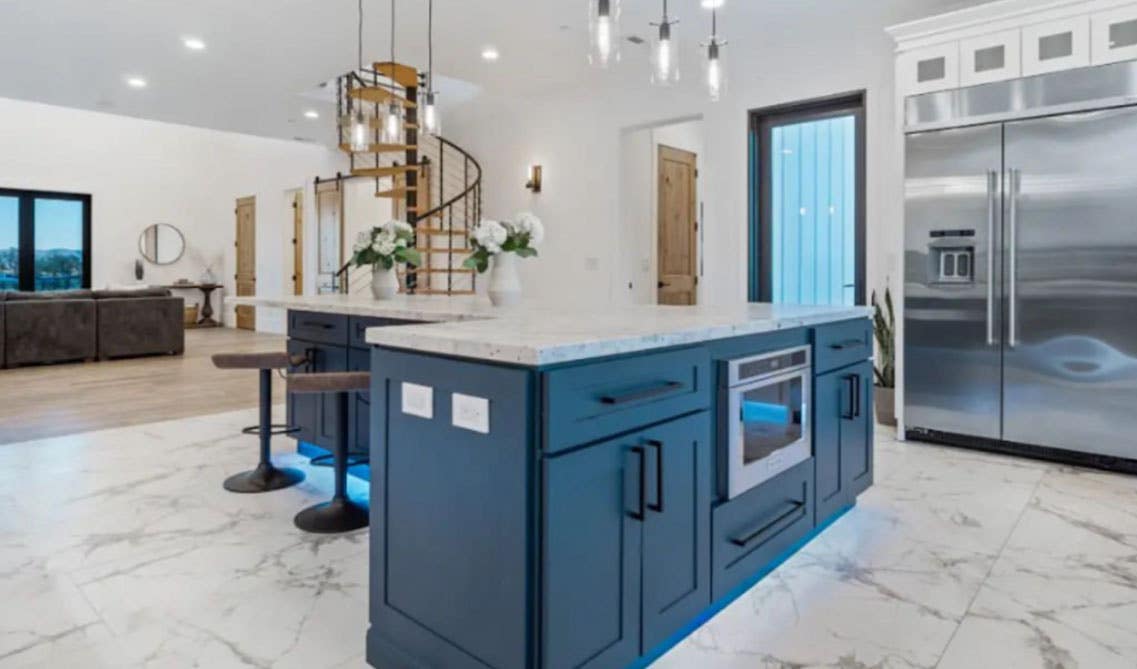
Lily Ann Cabinets: Navy Blue Shaker
Incorporating Navy Blue Shaker into a contemporary kitchen is a design choice that effortlessly marries the elegance of classic craftsmanship with the sleek sophistication of modern aesthetics. The deep navy blue color adds a bold and captivating contrast to the typically neutral tones of contemporary kitchens, making a striking statement.
The Shaker-style cabinet doors, known for their clean lines and enduring appeal, complement the minimalist design ethos of contemporary spaces while also introducing a touch of traditional charm. The result is a kitchen that exudes a timeless sense of style, where function and fashion harmoniously coexist. Lily Ann Cabinets Navy Blue Shaker provides a captivating focal point that adds depth and personality to the space, making it a perfect choice for those seeking a kitchen design that is both classic and current.
13. Black Contemporary Kitchens
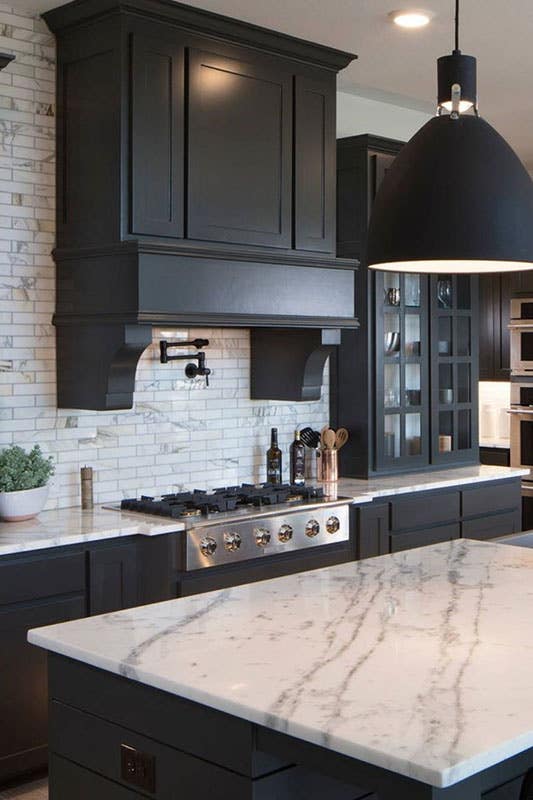
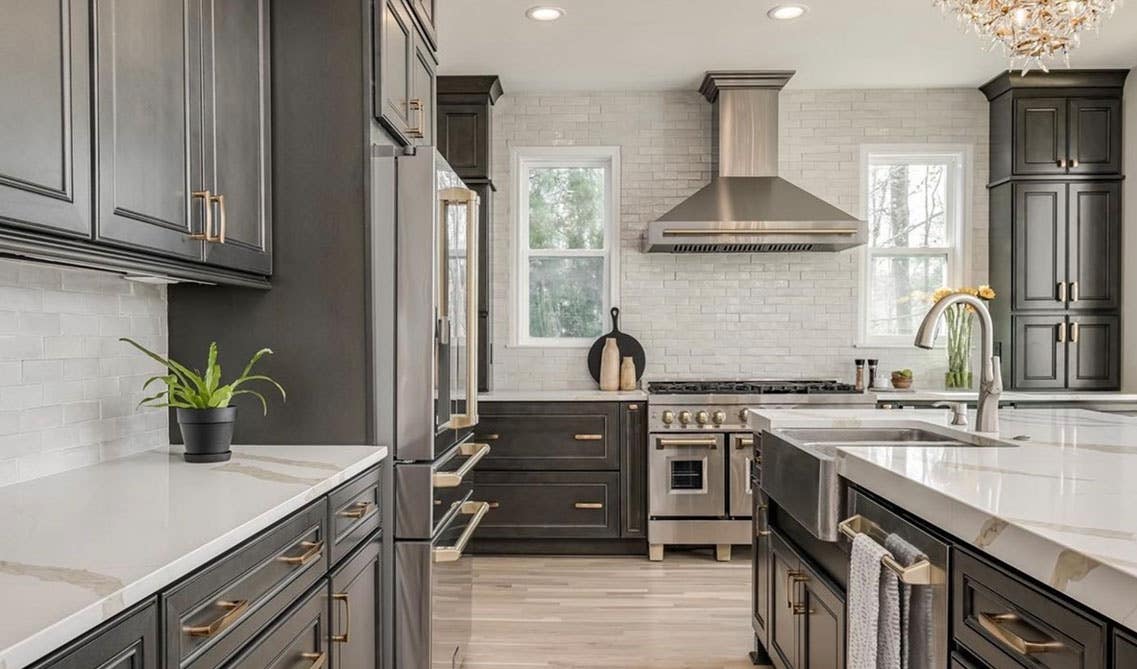
Black contemporary kitchens are a bold and captivating design choice that has gained immense popularity in recent years. The use of black as a primary color in the kitchen creates a sleek, dramatic, and ultra-modern atmosphere. Black cabinetry, countertops, and even appliances can make a striking statement, particularly when juxtaposed with elements like stainless steel, glass, or wood, which add contrast and depth to the space.
The result is a high-impact, minimalist aesthetic that exudes sophistication and luxury. Black kitchens are often accented with strategic lighting to maintain a sense of openness and avoid a gloomy feel. With their ability to effortlessly blend with various materials and textures, black contemporary kitchens offer a timeless and edgy ambiance that appeals to those seeking a daring departure from traditional design.
14. Family-Friendly Contemporary
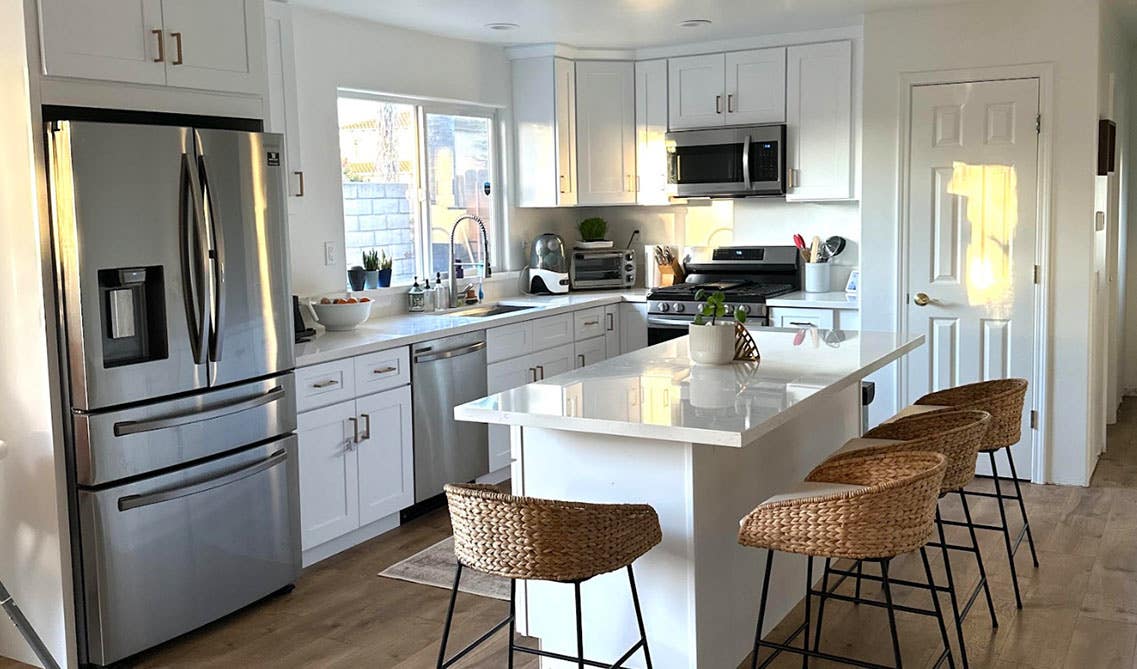
Lily Ann Cabinets: Colorado White Shaker
Family-friendly contemporary kitchens are the epitome of modern living, thoughtfully designed to cater to the needs and dynamics of today's households. These kitchens prioritize functionality, safety, and convenience without compromising on style. With spacious open layouts, they encourage family togetherness, making it easy for parents to keep an eye on their children or for everyone to engage in cooking and dining as a collective experience.
Durable materials, like stain-resistant countertops and easy-to-clean surfaces, are key features that ensure practicality. Ample storage solutions are integrated into the design, helping to keep the kitchen organized and clutter-free. Inclusive features like kitchen islands with seating, which serve as homework stations or casual dining areas, further enhance the family-friendly appeal.
15. Colorful Kitchens
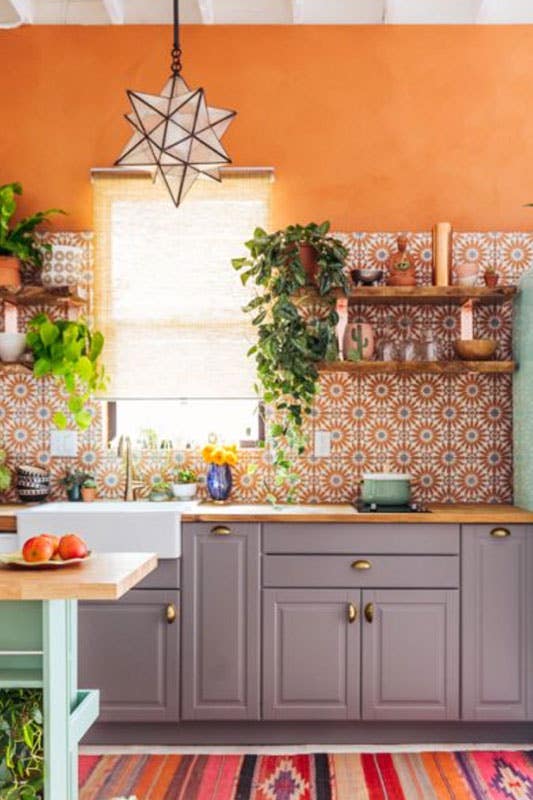
Colorful contemporary kitchens are a breath of fresh air in the world of interior design. Departing from the traditional monochrome or neutral palettes often associated with contemporary styles, these kitchens burst with vibrant and playful hues. From bold, eye-catching cabinets and colorful backsplashes to eclectic appliance finishes, the incorporation of color in contemporary kitchens reflects a confident and dynamic approach to design.
These spaces exude energy and personality, allowing homeowners to express their individuality while maintaining the sleek and functional aspects of contemporary design. Whether you opt for a daring, saturated palette or a softer, pastel one, colorful contemporary kitchens showcase the fusion of creativity and modernity, transforming the heart of your home into a visually stimulating, inviting, and cheerful space.
Our cabinetry is designed with your family in mind so shopping at Lily Ann Cabinets is a decision you won't regret. As a trusted family brand, we prioritize your satisfaction and offer an unmatched shopping experience. Our commitment is evident through our dedication to customer service, including FREE samples and FREE 3D designs. We're here to make your kitchen or bathroom renovation as smooth and enjoyable as possible. Join our family and experience the Lily Ann Cabinets difference today!
FAQs
1. What is a contemporary kitchen style?
A contemporary kitchen style is basically creating a clean, elegant look in your kitchen.
2. What is the difference between modern and contemporary kitchen cabinets?
Modern refers to earlier designs while contemporary means current trends.
3. What are contemporary kitchen cabinets?
Any cabinets that are trending or popular are basically contemporary such as white, black, grey, cream, or natural wood.
4. What is the contemporary color for kitchen cabinets?
Contemporary colors for kitchen cabinets would be white, grey, black, wood, and even blue!
Shop Related Cabinet Lines
Recent Blogs
Kitchen Decor
What Your Wife Really Wants for Mothers Day
Kitchen Cabinets,Wood Cabinets,Cabinet Tips,Cab...
Laminate vs. Wood Cabinets: Choosing the Best Material for Your Needs

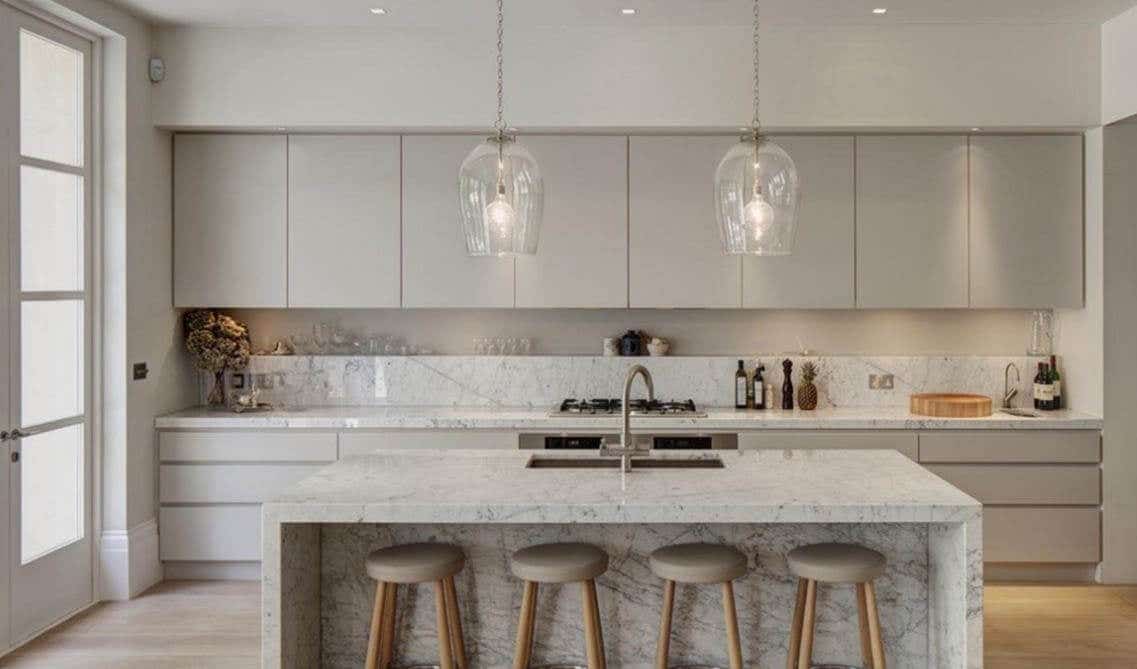
25+ Ways To Style Grey Kitchen Cabinets August 1, 2019
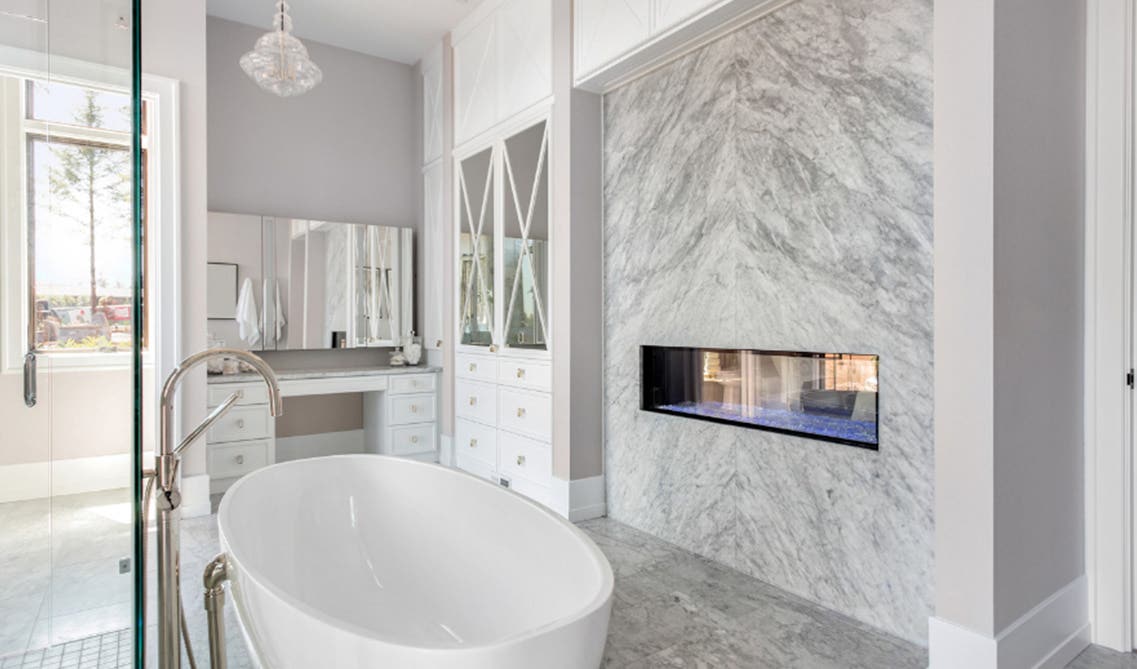
18 Unique Modern Bathroom Ideas | Cabinets, Vanities + More October 22, 2019
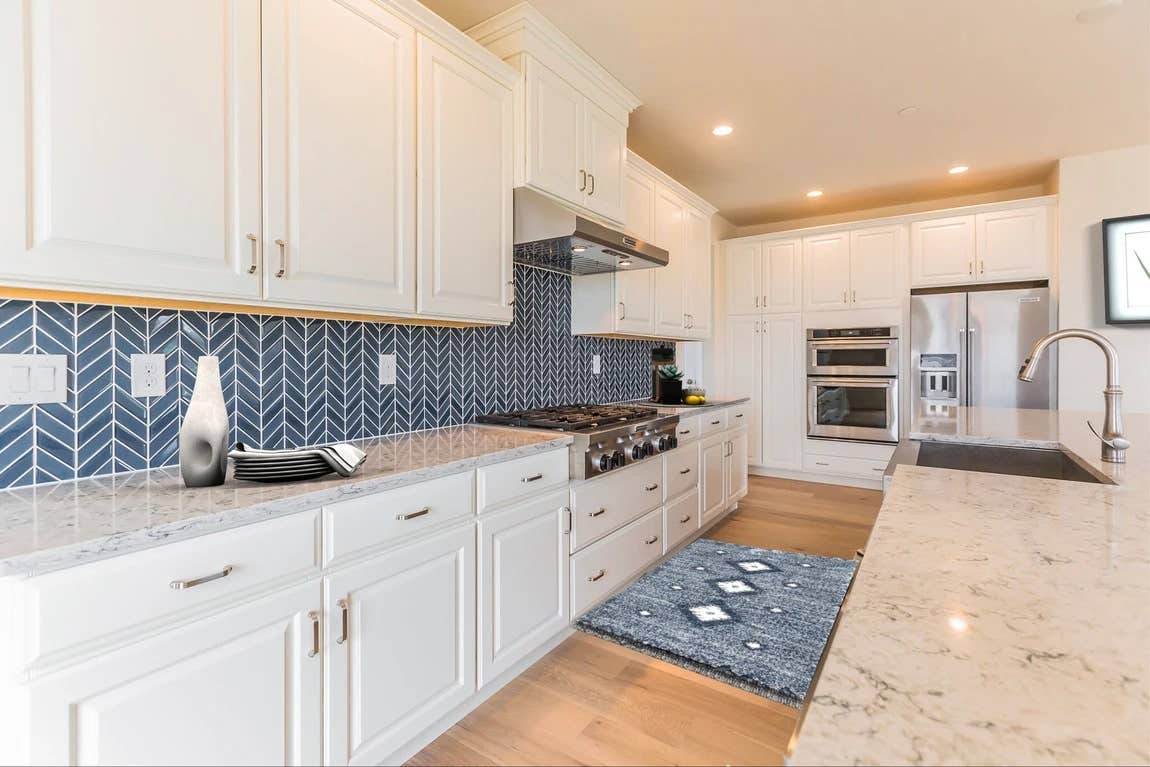
11 Fresh Kitchen Backsplash Ideas for White Cabinets March 5, 2020
What Your Wife Really Wants for Mothers Day April 25, 2024
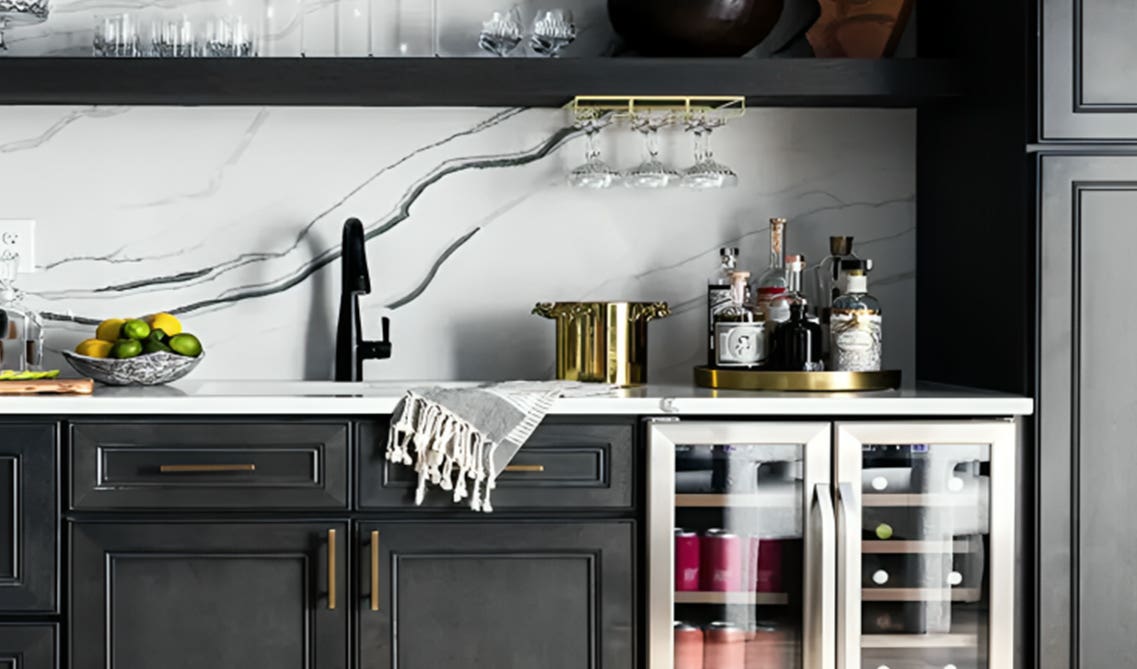
Why You Should Embrace a Solid Slab Backsplash April 4, 2024



Comments