


Sanded grout is cement grout with fine sand mixed in, for joints 1/8 inch and wider; unsanded grout has no sand and is for joints narrower than 1/8 inch. That is the rule from the Tile Council of North America (TCNA), which also says never to use sanded grout on marble or any surface the sand could scratch. Epoxy grout is a third option: TCNA says it is virtually as stain proof as the tile, but it costs more and is harder to install.
- The rule (TCNA): unsanded for joints narrower than 1/8", sanded for 1/8" and wider, heavily sanded for joints over 3/8".
- Why it matters: in a narrow joint, sand grains bridge the gap and leave weak grout; in a wide joint, unsanded grout lacks body.
- Never sanded on marble, polished stone or other scratchable surfaces like glass.
- Showers: sanded is fine for 1/8"+ joints; seal cement grout, or use epoxy for the least upkeep.
- Epoxy grout: nearly stain-proof, but costs more, sets fast, and its haze must come off quickly.
- Lily Ann Cabinets sells porcelain tile, pebble mosaics and a tile leveling system (local orders only); its 2 mm and 3 mm bases make joints under 1/8", which take unsanded grout.
You have the tile picked out. Now the bag aisle asks one more question: sanded or unsanded grout? And then there is epoxy, which costs more and promises never to stain. Pick wrong and grout can crack, scratch your tile or turn gray around the sink within a year.
This guide gives you the rule the tile industry uses to choose (it comes down to the width of the joint), which grout goes on polished stone, glass, showers, backsplashes and floors, and when epoxy grout is worth the extra work. The rules come from the Tile Council of North America (TCNA), the group that writes the industry's installation guidance.
Sanded vs. Unsanded Grout: The Quick Answer
Use unsanded grout for joints narrower than 1/8 inch and sanded grout for joints 1/8 inch and wider. That is TCNA's rule for cement grout. Never use sanded grout on marble or any other surface the sand could scratch. Epoxy grout is the third choice: far more stain-resistant than either, but harder to install.
Both sanded and unsanded grout are cement grouts. TCNA's industry report on cement grout defines them under two standards, ANSI A118.6 and ANSI A118.7. The only real difference is the fine sand mixed into sanded grout. Sand gives the grout body to fill a wide joint. In a narrow joint, TCNA explains, "the sand grains can easily bridge a narrow joint," so the grout may sit only on the surface and have little strength. That is why each type has its own joint range.
| Unsanded grout | Sanded grout | Epoxy grout | |
|---|---|---|---|
| What it is | Cement grout with no sand; smooth paste | Cement grout with fine sand | Two-part resin grout |
| Joint width | Narrower than 1/8" | 1/8" and wider (heavier sand mix over 3/8") | Follow the product's label |
| Scratch risk | None from sand | Can scratch marble, polished stone and other soft or glossy surfaces | Follow the tile maker's advice |
| Stains | Porous; sealing helps | Porous; sealing helps | "Virtually as stain proof as the tile" (TCNA) |
| Ease of use | Easy | Easy | Hard: short working time, haze must be wiped off fast |
| Cost | Lower | Lower | Higher |
Sources: TCNA FAQs on grout, cracked grout and cleaning grout; TCNA cement grout industry report; Fine Homebuilding on epoxy. Cost is relative only; we don't quote prices because they vary by brand and store.
The 1/8-Inch Rule, and What TCNA Actually Says
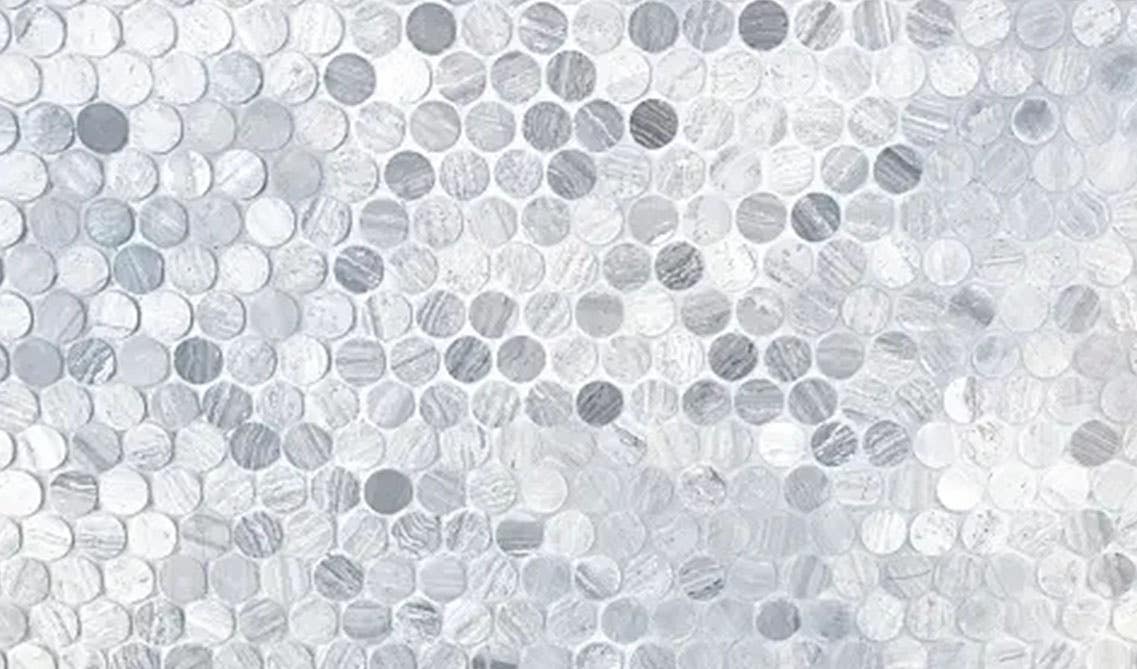
Here is the exact wording from TCNA's grout FAQ: "For cementitious grout, joints smaller than 1/8″ generally should only be grouted with unsanded grout, and joints of 1/8″ and larger should only be grouted with sanded grout." It adds that joints larger than 3/8 inch usually need a more heavily sanded "wide joint" grout.
So what about a joint that is exactly 1/8 inch? By TCNA's wording, that is sanded territory. Some grout bags list unsanded for joints up to 1/8 inch too, so at that one width, follow the bag you buy.
How wide should your grout joint be?
There is no single number. TCNA says the ANSI installation standard (A108.02, section 4.3.8) only asks that joints be straight and even, and that "there is not a specific standard for the size of a grout joint." What sets the width is the tile itself:
- Size variation. TCNA suggests a joint at least two times the average difference between the largest and smallest tiles in the box. It notes some tile ships with about 3/32 inch difference between the largest and smallest pieces.
- Edge shape. Measure the joint between tile edges, not from the top of a beveled edge.
- The surface. A floor or wall that isn't flat makes joints open over humps and narrow over dips, so very tight joints show every flaw.
Then let the joint width pick the grout. Decide the joint first, buy the grout second.
Which Grout Goes Where
| Where | Typical joint | Grout to use |
|---|---|---|
| Polished marble and other polished stone | Very tight (TCNA: marble is usually set with 1/16" spacing) | Unsanded, never sanded |
| Glass tile | Usually tight | Unsanded or epoxy, as the tile maker directs |
| Kitchen backsplash (subway, mosaic) | Often under 1/8" | Unsanded; epoxy behind a busy sink |
| Shower walls | Depends on the tile | Match the joint; epoxy or sealed cement grout |
| Shower floors and pebble mosaics | Wide and uneven | Sanded (or epoxy rated for the width) |
| Floors with porcelain or ceramic tile | 1/8" and up | Sanded |
| Any joint wider than 3/8" | Wide | Heavily sanded "wide joint" grout |
Joint widths and the marble rule are from TCNA's grout FAQ. The glass, backsplash and shower rows apply TCNA's 1/8-inch rule to typical joints; your own joint width always wins.
Polished marble and natural stone
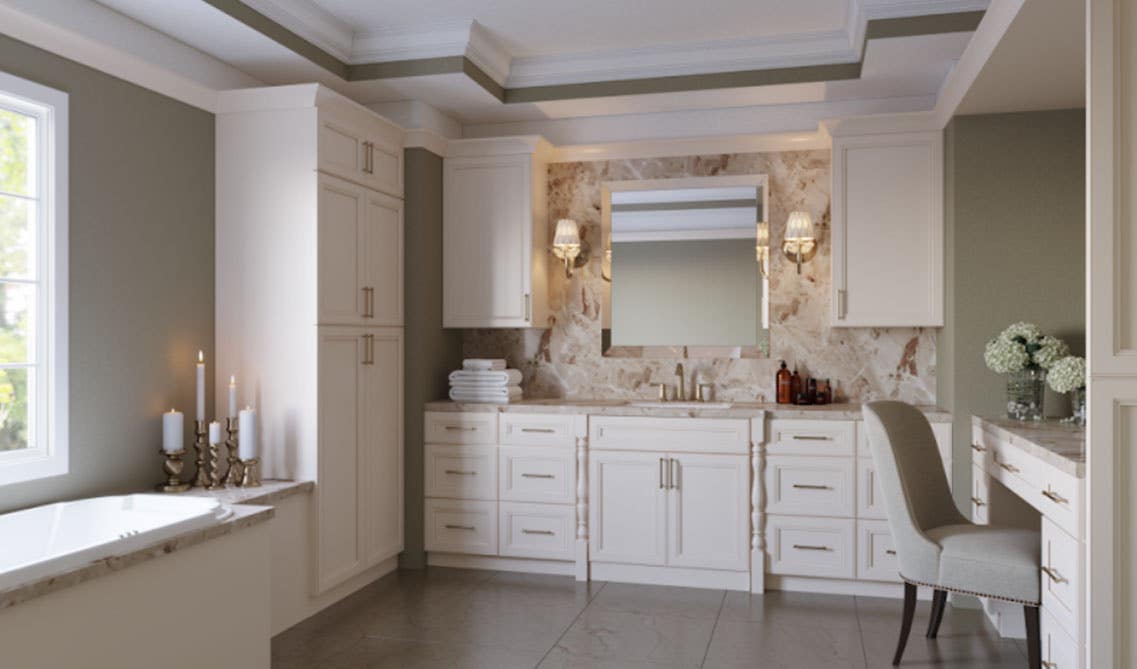
TCNA is blunt here: sanded grout should "absolutely never" be used with marble or any other surface that the sand in grout can scratch. Marble is cut to very tight sizes and is usually installed with 1/16-inch joints, which puts it in unsanded territory anyway. Test any grout on a spare piece of stone before you start, and ask your stone supplier whether the stone needs sealing before grouting.
Glass tile
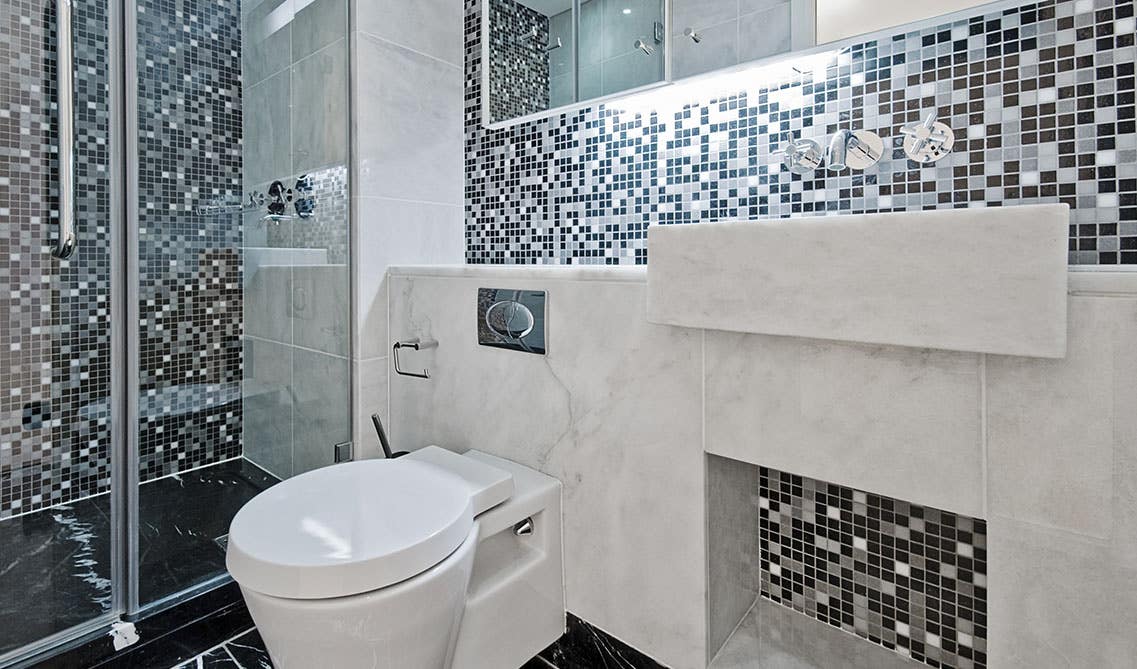
Glass is glossy and scratches more easily than glazed porcelain, so it falls under TCNA's "any other surface that can be scratched" warning. Most glass tile is set with tight joints, which also points to unsanded grout. Many glass-tile makers specify an unsanded or epoxy grout, so read the install sheet that comes with the tile and follow it.
Kitchen backsplashes
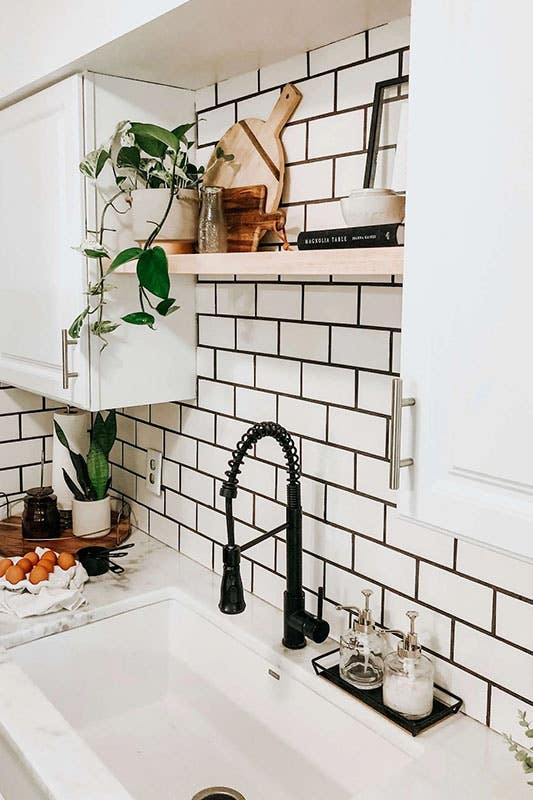
Most backsplash tile, like subway tile and mosaic sheets, is set with narrow joints, so unsanded grout is the usual pick. Unsanded grout is also the easier one to work into tight joints on a wall. The exception is the strip right behind the sink and range, where splashes and grease hit every day. That is where epoxy grout earns its price, because it resists stains far better than cement grout.
A cabinet tip: grout the backsplash after the countertop is in, and tape off the cabinet faces and the counter edge first. Grout haze wipes off tile easily but is harder to get out of a painted cabinet's corners and grain, and epoxy haze has to come off within minutes. For more ideas, see these bathroom tile ideas and our guide to matte vs. gloss backsplash tile.
Showers
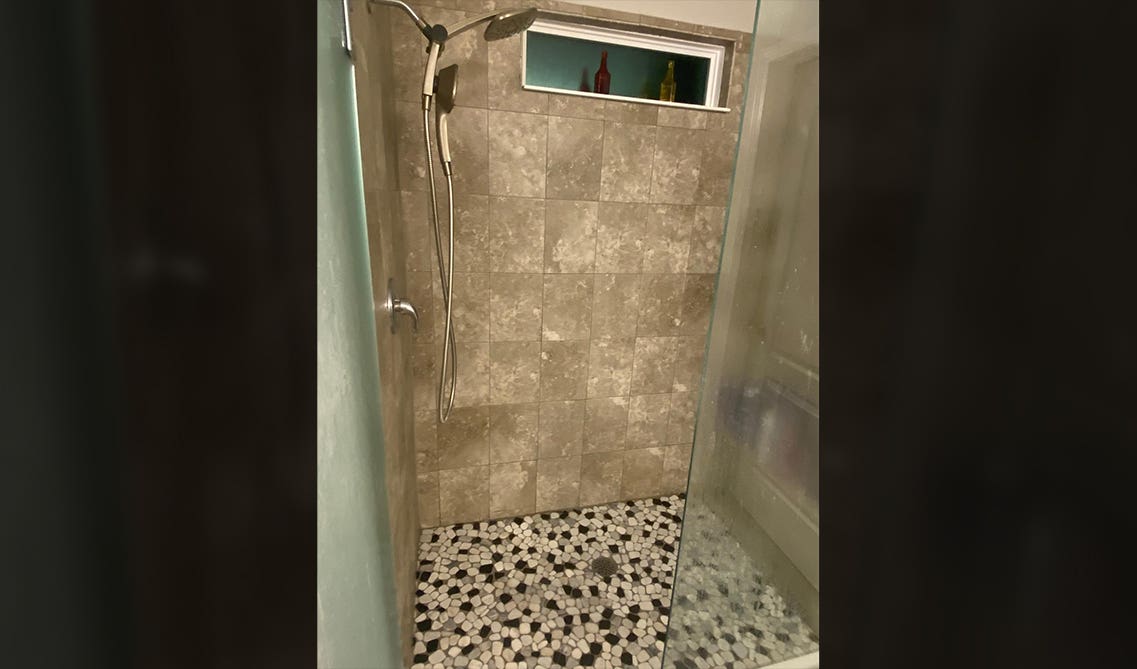
Sanded grout is fine in a shower as long as the joints are 1/8 inch or wider; the wet location doesn't change the width rule. What changes is upkeep. Cement grout is porous, so TCNA notes many owners seal it, and "the better the sealer, the more the grout joint is protected." In a shower that is used every day, epoxy grout is the low-maintenance option. Pebble and stone mosaic floors have wide, uneven joints, which by TCNA's rule calls for sanded grout or an epoxy rated for wide joints.
Already fighting black spots in the shower? See how to remove mold from grout safely, including which cleaners must never be mixed.
Floors
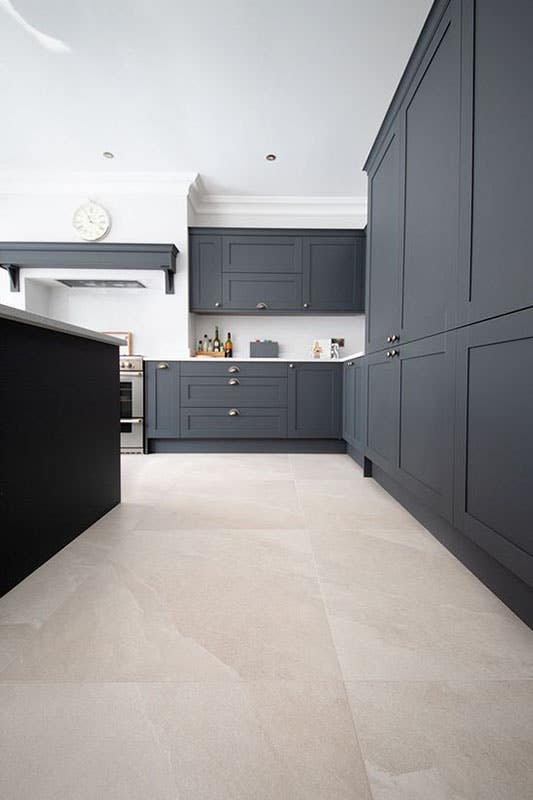
Porcelain and ceramic floor tile is usually set with joints of 1/8 inch or more, so sanded grout is the standard choice. Larger tiles show size differences more, so check the variation in the box before you decide how tight to go. On long plank tiles, a tile leveling system helps keep edges flush while the mortar sets.
Epoxy Grout vs. Regular Grout: Is Epoxy Worth It?
Epoxy grout is a resin grout, not a cement one. Its big selling point is stains: TCNA says epoxy grout "is virtually as stain proof as the tile," and Fine Homebuilding calls it "nearly stainproof, yet it remains flexible."
Epoxy grout pros
- Stain resistance: close to the tile itself, so food, grease and soap scum wipe off.
- No sealing routine: cement grout relies on a sealer to resist stains; epoxy doesn't need one to do the same job.
- Good for hard-working spots: shower floors, the backsplash behind a sink, and kitchen floors.
Epoxy grout cons
- Cost: Fine Homebuilding says epoxy costs more than cement grout.
- Hard to install: its "big downside is workability." The working time is short (Fine Homebuilding cites 30 minutes at 90°F), so you have to keep a steady pace.
- Haze: any epoxy haze left on the tile "must be removed soon after," or it's very hard to get off.
Our take: for a first-time DIY floor or wall with standard porcelain tile, sealed cement grout (sanded or unsanded to match the joint) is the easier path. For a shower floor, a busy kitchen backsplash, or anyone who has fought moldy grout before, epoxy is worth the extra cost and care, or worth paying an installer who uses it regularly.
Do You Need to Seal Grout?
Cement grout, sanded or unsanded, should be sealed if you want it to resist stains. TCNA's grout cleaning FAQ explains that cement grout is porous and absorbs stains, which is why many owners seal it. Seal only after the grout has fully cured and is clean and dry, and follow the sealer's label for timing and resealing. Epoxy grout doesn't need a sealer.
When you clean grout, TCNA recommends an alkaline cleaner rather than an acid one, because cement grout "is alkaline based and is dissolved by acids." That rules out regular vinegar cleaning on cement grout.
Grout for Lily Ann Tile and the Tile Leveling System

Lily Ann Cabinets: Moonlight Pebble Stone Mosaic
Lily Ann Cabinets sells porcelain wall and floor tile and pebble stone mosaics, alongside our cabinets. All of them are local orders only: you can pick up at a showroom, or get delivery to an address within 200 miles of our Adrian, MI or Clearwater, FL showroom. Stock below was checked on October 1, 2026.
| Lily Ann tile | Size | Likely joint and grout |
|---|---|---|
| Sand and Silver porcelain | 12" x 24" (actual 11-3/4" x 23-3/4"), 16 sq ft per box | Set the joint by the size variation in the box; at 1/8" or more, sanded grout |
| Sand and Silver porcelain | 6" x 24" (actual 5-7/8" x 23-3/4"), 12 sq ft per box | Same rule; plank tiles benefit from a leveling system |
| Moonlight and Gray Flat pebble stone mosaic | 12" x 12" sheets (actual 11-3/4" x 11-3/4") on mesh, 11 sq ft per box | Wide, uneven joints between stones: sanded grout or an epoxy rated for wide joints |
The listings don't state whether the porcelain is rectified (precision-cut edges) or give its size tolerance, so ask the showroom before you plan a very tight joint. Grout picks in the right-hand column apply TCNA's joint rule; they are not a Lily Ann spec.

Lily Ann Cabinets: Tile Leveling System
If you use Lily Ann's tile leveling system, the bases come in 2 mm and 3 mm joint widths. That is about 0.08 inch and 0.12 inch, both narrower than 1/8 inch (0.125 inch). By TCNA's rule, joints that narrow take unsanded grout, or an epoxy grout rated for narrow joints. The bases work with tile from 3 mm to 20 mm thick, per the listings. Our tile leveling guide explains how the clips and caps work.
How to Choose Grout: A 4-Question Checklist
- How wide is the joint? Under 1/8": unsanded. 1/8" or more: sanded. Over 3/8": heavily sanded wide-joint grout.
- Can the tile scratch? Polished marble, polished stone or glass: never sanded.
- Is it a stain or mold zone? Shower floor, behind the sink or range: consider epoxy, or plan to seal cement grout.
- How confident are you? Epoxy's short working time is hard on beginners. Cement grout is forgiving.
The Takeaway
Choose grout by the joint, not the room. TCNA's rule is simple: unsanded for joints under 1/8 inch, sanded for 1/8 inch and wider, and never sanded on marble or anything the sand can scratch. Seal cement grout to help it resist stains, or step up to epoxy grout where stains and mold are a constant fight. Planning the tile around new cabinets? Get a free 3D kitchen design and see the floor, backsplash and cabinets together.
Frequently Asked Questions
Yes, as long as the shower's grout joints are 1/8 inch or wider, which is TCNA's cutoff for sanded grout. Water doesn't change the width rule; what matters in a shower is upkeep. Cement grout is porous, so seal it once it has cured, or use epoxy grout, which TCNA says is virtually as stain proof as the tile.
Sealing is recommended if you want it to resist stains. Unsanded grout is a cement grout just like sanded, and TCNA explains that cement grout is porous and can absorb stains, which is why many owners seal it. Seal only once the grout has fully cured and is clean and dry, and follow the sealer's label for how often to reseal.
Epoxy grout is the most stain- and water-resistant choice; TCNA says it is virtually as stain proof as the tile. It costs more and is harder to install because of its short working time, according to Fine Homebuilding. Sealed cement grout, sanded or unsanded to match the joint width, is the easier and cheaper option and works well if it's kept clean and dry.
No. TCNA says joints of 1/8 inch and larger should only be grouted with sanded grout, and a 1/4-inch joint is twice that cutoff. Use sanded grout for a 1/4-inch joint. For joints wider than 3/8 inch, TCNA says you usually need an even more heavily sanded 'wide joint' grout.
Don't use sanded grout in joints narrower than 1/8 inch, where TCNA says the sand grains can bridge the joint and leave weak grout on the surface. And never use it on marble or any other surface the sand could scratch, such as polished stone. Glass tile is usually set with tight joints and is easy to scratch, so follow the glass-tile maker's grout instructions.
It's a way to check that a layout line is square before you tile. Measure 3 feet along one line and 4 feet along the other from the same corner; if the distance between those two points is exactly 5 feet, the corner is a true 90 degrees. Any multiple works too, such as 6-8-10. Starting square keeps grout lines straight across the whole room.
Epoxy grout costs more than cement grout and is harder to work with. Fine Homebuilding calls workability its big downside: the working time is short (about 30 minutes at 90°F), so you have to keep a steady pace, and any haze left on the tile must be removed soon after or it is very hard to get off. That makes it tougher for first-time DIYers.
Often, yes, in places that stain or stay wet: shower floors, the backsplash behind a kitchen sink or range, and busy kitchen floors. TCNA says epoxy grout is virtually as stain proof as the tile, so it skips the sealing routine cement grout needs. For a low-use wall or a first DIY project, sealed cement grout is usually the easier, cheaper choice.
Yes, regrouting is a common time to switch to epoxy, especially if the old cement grout keeps growing mold. The old grout has to come out first so the new grout can fill the joint, and the joints must be clean and dry before you start. Because epoxy sets fast and its haze must be wiped off quickly, work in small sections or hire an installer who uses it often.
















Comments