


Polyurethane builds a thicker film and is generally tougher against wear than basic nitrocellulose lacquer, which is fast-drying and easy to repair but more easily damaged by heat, moisture and household chemicals. Catalyzed lacquers and conversion varnish close that gap. On factory-finished cabinets the topcoat is already chosen: Lily Ann lists UV-coated interiors and multi-step stain, glaze and paint finishes.
- Polyurethane builds a thick film on top of the wood; lacquer's coats melt into each other and dry in about 30 minutes (Family Handyman).
- "Lacquer" is five different products. Basic nitrocellulose yellows and is weaker against heat and moisture; pre-catalyzed and post-catalyzed lacquers cure chemically and resist far more (The Wood Whisperer, Fine Woodworking forum).
- Conversion varnish is generally the most durable of these, but very hard to repair, according to a Fine Woodworking forum finisher.
- On factory-finished cabinets, you don't pick the topcoat. Factory coatings are cured, not air-dried like a brushed DIY coat.
- Lily Ann publishes UV-coated interiors, UV inhibitors in its wood finishing, and multi-step stain, glaze and paint processes, but its pages don't name the topcoat as lacquer or polyurethane.
- Care is the same either way: damp cloth, dry right after, mild detergent for stubborn spots, no abrasives, wax or silicone polishes.
Lacquer vs Polyurethane: The Short Answer
Polyurethane builds a thicker film that sits on top of the wood, while lacquer is a thinner, fast-drying finish whose new coats melt into the coats below. Basic lacquer is easier to spray and repair; polyurethane is easier to brush on and is usually rated tougher against wear.
That is how Family Handyman sums up the difference after asking painters and woodworkers (article updated September 27, 2024). The table puts their points next to what two woodworking sources, Fine Woodworking's finishing forum and The Wood Whisperer, add about the different kinds of lacquer. All three were read on September 14, 2026.
| Question | Lacquer | Polyurethane | Source |
|---|---|---|---|
| How it builds | Each coat melts into the one below, so it forms one layer and doesn't need sanding between coats | Each coat sits on top of the last, so it needs sanding between coats | Family Handyman |
| Drying | Fast: around 30 minutes, some dry to the touch in five | Slower: water-based takes hours, oil-based can take up to a day | Family Handyman |
| How it goes on | Spray is easy; brushing is harder | Brush, wipe-on or spray | Family Handyman |
| Wear | Thinner layers are more open to scratches | Rated high for busy, high-traffic areas | Family Handyman |
| Heat, water, household chemicals | Basic nitrocellulose lacquer is more easily damaged; catalyzed lacquers resist more | More abrasion resistant than basic nitrocellulose lacquer | Fine Woodworking forum finisher |
| Repairs | Easy to build, repair and rub out (nitrocellulose) | A damaged thick layer is not easy to repair | The Wood Whisperer; Family Handyman |
| Fumes | High in VOCs; use a respirator with vapor-rated filters | Water-based is low-odor; oil-based has higher VOCs | Family Handyman |
One thing the table can't show: "lacquer" is not one product. The row that matters most for kitchen cabinets is the one about heat, water and chemicals, and there the answer depends on which lacquer you mean.
Not All Lacquer Is the Same
The Wood Whisperer, a woodworking education site, splits lacquer into five main types:
- Nitrocellulose lacquer. The classic furniture lacquer. It dries fast and is easy to repair, but it tends to yellow with age and has less chemical and moisture resistance than many catalyzed finishes.
- CAB-acrylic lacquer. Can be nearly clear and resists yellowing much better, so it suits whites and pale woods.
- Pre-catalyzed lacquer. Adds a chemical cure, which gives better resistance to moisture, household chemicals and wear. The site calls it "a very good choice" for cabinets and furniture in regular use.
- Post-catalyzed lacquer. The catalyst is mixed in just before spraying, for a more controlled cure and excellent durability, but it takes experience to use.
- Waterborne lacquer. Sprays like lacquer with a different chemistry, adds very little amber color and avoids much of the solvent load.
A finisher on Fine Woodworking's forum adds the one most people haven't heard of: conversion varnish, a two-part finish he describes as generally even more durable than post-catalyzed lacquer, but very hard to repair. He also notes that few commercial cabinet makers still use basic nitrocellulose lacquer.
So when a forum thread says "lacquer is too soft for a kitchen," it is usually talking about nitrocellulose. A catalyzed lacquer is a different product.
Why the Question Changes When You Buy Finished Cabinets
Most lacquer vs polyurethane advice is written for someone holding a brush or a spray gun. If you buy factory-finished cabinets, you don't choose the topcoat. The factory already has.
That matters because a factory finish and a home finish are not applied the same way. As our guide to unfinished cabinets explains, factory coatings are UV-cured or catalysed and cross-link chemically, while a wipe-on poly or brushed water-based topcoat air-dries and stays softer for its whole life. The same point comes up in our article on glazed cabinets: a factory glaze sits sealed under a cured topcoat, while a DIY glaze sits under whatever clear coat you brush over it.
For a cabinet buyer, the useful questions are what the seller publishes about its finish, and how to look after it.

What Lily Ann Publishes About Its Cabinet Finishes
Here is what Lily Ann Cabinets' own pages say about how its cabinets are finished, read on September 14, 2026. None of these pages names the clear topcoat on the doors as lacquer, polyurethane, catalyzed lacquer or conversion varnish. If that detail matters to you, ask before you order.
| What the page says | Where |
|---|---|
| Cabinet interior: "Natural Wood Veneer, UV Coated." Cabinet exterior: "Matches Door Finish." | The Charleston Cherry, York Saddle, White Shaker Elite, Colorado White Shaker and Craftsman Natural Shaker collection pages |
| Lily Ann "applies UV inhibitors to all its wood cabinetry as part of the finishing process." The finish itself will not change in sunlight, but the wood may. | Cabinet care page |
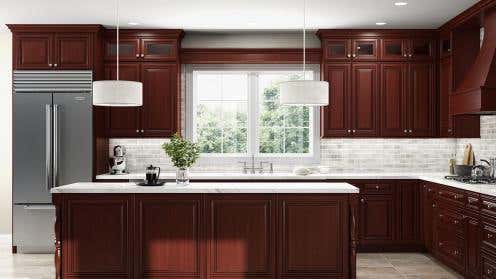
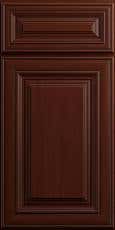
| Stained a cherry color and finished with a chocolate glaze, using a 12-step finishing process the page says is standard for all kitchen cabinets | Charleston Cherry collection page |
| Finished with 12 layers of hand-applied chocolate stain | York Saddle collection page |
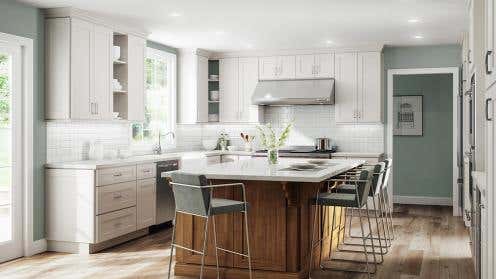
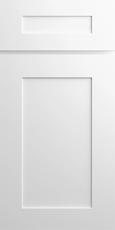
| A seven-step process of thick hand-applied white stain, plus a UV coating | White Shaker Elite collection page |
| Painted cabinets "sealed with a 12-step paint finishing process" | Wholesale vs big box cabinets guide; the kitchen cabinet buying guide also lists a "12 step paint finish" |
| On glazed lines, the glaze "is hand applied over a stain or paint," so small drips, runs and color changes between cabinets are normal | Lifetime limited warranty |
Two things are worth knowing from that list. The step counts are written per collection, so read the page for the line you want rather than assuming one number covers all of them. And the warranty covers defects in material and workmanship; it does not cover normal wear and tear or the natural darkening of wood.

Painted vs Stained Finishes: What Changes Over Time
Whatever the topcoat, Lily Ann's own care and warranty pages set out what to expect from painted and stained wood over the years:
- Painted cabinets can show lines at the joints. Wood expands and contracts, and the notes on painted wood cabinets say this can open joint lines in the painted finish. That is not treated as a defect: the finish still protects the surface. The warranty says the same about fractures in the paint at joints.
- Light paint colors can discolor. The same page says all paints, especially lighter colors, can discolor from cooking, grilling, smoke, fireplaces or candles, and that long exposure to light or moisture can change the color.
- Stained wood mellows. The notes on wood cabinets say the color of the wood and stain changes with age, depending on the wood, the stain color and how much direct sunlight it gets. That's why a cabinet added years later may not match exactly.
- Glaze varies by hand. Hand-applied glaze varies from cabinet to cabinet, per the warranty.
For how the two looks compare before you buy, see our guide to painted vs stained wood cabinets. For bathrooms, where moisture is the bigger worry, see the best cabinet finishes for high-humidity bathrooms.
How to Care for a Factory Cabinet Finish
These steps come from Lily Ann's cabinet care page. They apply whatever the clear coat is made of:
- Wipe up spills and water marks right away, especially around the sink and dishwasher.
- Don't hang damp dish towels over the sink base door. Over time that moisture can permanently damage the door.
- Clean with a damp cloth, then dry with a lint-free cotton cloth. For stubborn spots, use a mild detergent with warm water, and dry the surface straight after.
- If you want a polish, use an emulsion-type cleaner. Lily Ann recommends these because they are made without wax, petroleum solvents or silicones. Wax polishes can build up a film, and silicone polishes can harm the finish.
- Skip spray polishes that contain petroleum solvents.
- Never use abrasive cleaners, scouring pads or powdered cleansers, and don't let oven cleaner touch the cabinets. Don't use a dish cloth on the outside of the cabinets either: it can carry grease or detergent.
- Protect cabinets next to a self-cleaning oven. Lily Ann recommends taking off the doors and drawers next to or above the oven during a cleaning cycle, because the heat can damage the finish.
Our guide to cleaning and maintaining kitchen cabinets adds that bleach and ammonia are too harsh for most cabinet finishes.
If You Are Refinishing Cabinets Yourself
If you are putting a new clear coat on old cabinets, the general comparison above is the one that applies. Family Handyman's panel called polyurethane's first application forgiving, and a popular choice for beginners. Lacquer is easiest to spray and harder to brush. Our step-by-step guide to refinishing kitchen cabinets finishes with a clear protective coat, such as polyurethane.
Either way, look after the air you breathe. The U.S. EPA notes that paints and varnishes contain organic solvents that release VOCs, and advises more ventilation and following label directions when you use them. Family Handyman's experts add that lacquer is high in VOCs and call for a respirator with vapor-rated filters.
See Lily Ann's Finishes in Person
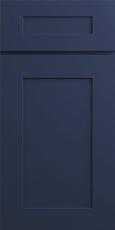
A photo can't show you how a finish feels or how a glaze sits in a door profile. Lily Ann offers full-size door samples, so you can see the paint, stain or glaze at real size before you order a kitchen.









Comments