


The most popular kitchen floors are vinyl, hardwood and tile, which were almost tied in the 2025 Houzz Kitchen Trends Study (22%, 21% and 20% of renovating homeowners). Waterproof SPC vinyl and porcelain tile are the safest picks for a busy kitchen, and hardwood is the warmest if you wipe spills quickly. Cork, bamboo, concrete, stone, ceramic and marble round out the 10 ideas below.
- Most popular: vinyl 22%, hardwood 21%, ceramic or porcelain tile 20% of renovating homeowners (2025 Houzz Kitchen Trends Study).
- Best for spills: SPC vinyl (listed 100% waterproof) and porcelain tile, which is less porous than ceramic.
- Easiest on your feet: vinyl, cork and wood. Stone, tile and concrete are hard underfoot.
- Easiest DIY: click-together laminate and SPC planks. Stone, concrete and large tile usually need a pro.
- Plan it with the cabinets: floating floors like SPC go around fixed cabinets, not under them, with a 1/4" gap hidden by quarter round.
- Lily Ann Cabinets stocks SPC flooring (White Oak, Royal Oak, Washed Oak) and porcelain tile in sand and silver (in stock September 28, 2026).
This guide covers 10 kitchen floor ideas, a side-by-side comparison, what renovating homeowners are actually choosing, and how to plan the floor around your cabinets. Lily Ann flooring stock and specs were checked on the live site on September 28, 2026.
When embarking on the design journey, it is crucial to prioritize the kitchen floor as a starting point. Being one of the most frequently utilized spaces in a household, enduring substantial foot traffic and inevitable wear-and-tear, selecting the appropriate flooring is essential for you and your family. Presented below are the current top ten modern kitchen floor ideas with all the different styles available in the market.
What Is the Best Flooring for a Kitchen?
There is no single best kitchen floor. The right one depends on how much water, traffic and standing your kitchen sees. Vinyl (especially rigid-core SPC) and porcelain tile handle spills best. Hardwood feels the warmest and looks classic, but it needs quick cleanup. In the 2025 U.S. Houzz Kitchen Trends Study, renovating homeowners split almost evenly: vinyl or resilient flooring 22%, hardwood 21%, and ceramic or porcelain tile 20%.
Those numbers come from Houzz's survey of homeowners who were renovating a kitchen, as reported by Woodworking Network. Hardwood's share has been sliding: 25% in 2023, 24% in 2024, then 21%. Before you fall for a look, ask three questions:
- How wet does it get? A kitchen with kids, pets or a busy sink needs a floor that shrugs off spills.
- How long do you stand? If you cook for hours, softer floors like vinyl, cork and wood are easier on your feet than stone or tile.
- Who is installing it? Click-together planks are DIY-friendly. Stone, concrete and large tile usually are not.
Kitchen Floor Options Compared
Here is how the 10 floors below compare, based on the pros and cons in each section and in our vinyl vs. laminate guide. It's a quick guide, not a lab test.
| Floor | Handles water | Underfoot | DIY install | Watch out for |
|---|---|---|---|---|
| Hardwood | Fair: wipe spills fast | Warm, softer than tile | Varies by product | Water damage (it can be refinished) |
| Laminate | Fair: water-resistant, not waterproof | Firm | Easy | Water seeping between planks |
| Vinyl / SPC | Excellent: SPC is 100% waterproof | Soft | Easy | Hard to repair one damaged plank |
| Cork | Fair: must be sealed | Soft, cushioned | Varies by product | Spills if it isn't sealed |
| Bamboo | Good: built-in moisture resistance | Like hardwood | Varies by product | Care is like wood |
| Concrete | Good | Hard | No: hard to install | The house must carry the weight |
| Stone tile | Good | Hard | No | Cost and weight |
| Ceramic tile | Good | Hard, cold | Varies | Grout lines hold dirt |
| Porcelain tile | Excellent: less porous than ceramic | Hard, cold | Takes time to do right | Cost |
| Marble | Depends on the type | Hard | No | Real marble costs most; marble-look tile and vinyl exist |
10 Modern Kitchen Floor Ideas
1. Hardwood
Hardwood flooring has been popular for ages, and thanks to improvements in products and sealers, it’s still a viable, durable flooring material in kitchens today. Wood adds a sense of timelessness and warmth that fits any style, cabinet color, and décor.
There are multiple colors to choose from, from dark wood to lighter colors to grey! It’s a bit softer underfoot than tile, and it can be refinished if it becomes damaged or worn. It can be expensive, but the ease of maintenance and the style make it all worth it. Bonus points: If you have an adjoining living room or an open-floor plan, you can use the same wood material in adjoining rooms!
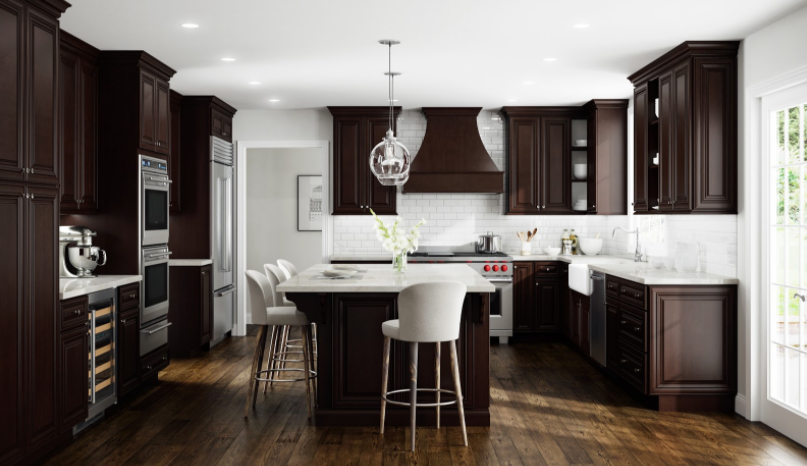
Bristol Chocolate cabinets
3D Kitchen Visualizer Tool
Bring your dream kitchen to life with our free kitchen visualizer!
Design NowFor species, grades and how hardwood is installed, see our guide to hardwood flooring.
2. Laminate
Laminate is all the rage these days. An affordable alternative to hardwood, laminate is a synthetic flooring made up of layers of resin and fiberboard. It comes in a variety of styles and colors, often mimicking tile, stone, wood, or ceramic. It doesn’t involve the care and maintenance associated with other natural floor options and has a more superficial feel. It’s highly durable and easy to install, making it one of our favorite kitchen floor ideas.

Still deciding between the two? We compare them head to head in hardwood vs. laminate flooring.
3. Vinyl
Vinyl flooring has been around the block once or twice, but it’s back and better than ever with an updated image! This budget-friendly synthetic material has had help from new technologies, which have made it more closely imitate the look of stone, wood, tile, etc.
It’s usually available in two different styles: sheet vinyl, which are 6- or 12-foot-wide sheets that are easily rolled onto floors, or vinyl tile, which are 12- to 18-inch tiles and imitate ceramic. Both styles are easy-to-install for DIYers. Just like hardwood, vinyl flooring is soft underfoot, and just like laminate, it’s water-resistant, making it incredibly easy to clean.
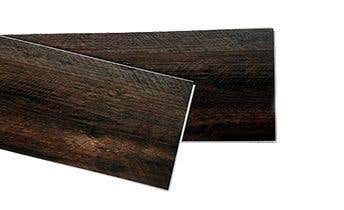
Lily Ann Cabinets offers high quality SPC flooring (stone plastic composite), which is known for being 100% waterproof with unparalleled durability. The engineered luxury vinyl planks mimic natural wood and stone at a much lower price point. They’re abrasion-resistant, easy to clean, fire resistant, impact resistant, and provide acoustical benefits, underfoot comfort, and a barrier against mold or mildew. The Lily Ann SPC planks in stock on September 28, 2026 are listed in the table below.
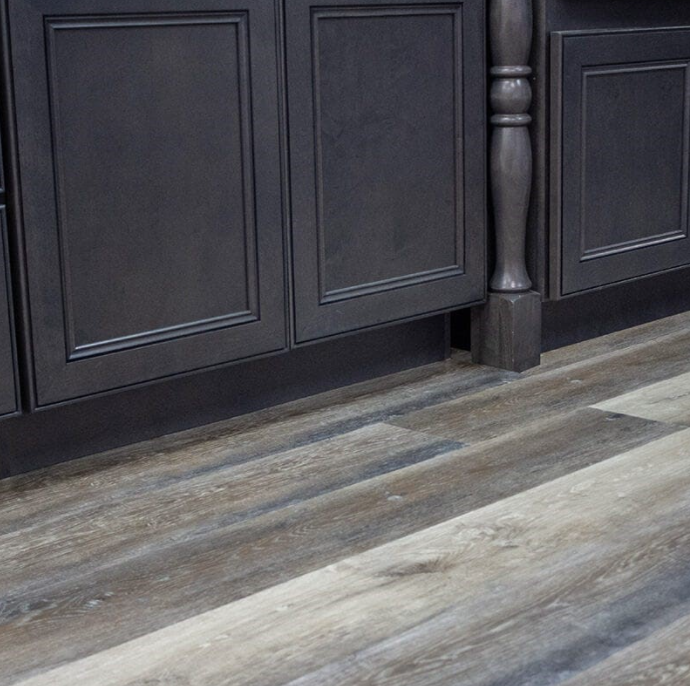
Lily Ann Cabinets Driftwood SPC Flooring
| Lily Ann SPC plank | Color | Plank size | Thickness | Wear layer | Locking system |
|---|---|---|---|---|---|
| 9" x 60" White Oak | Cream white | 9" x 60" | 5.5 mm | 30 mil | Uniclick |
| 7" x 48" Royal Oak | Brown | 7" x 48" | 6.5 mm | 0.5 mm | 5G click |
| 7" x 48" Washed Oak | Grey | 7" x 48" | 6.5 mm | 0.5 mm | 5G click |
All three showed In Stock on September 28, 2026, and each listing says it is 100% waterproof, floating, and rated for commercial and residential use. Matching Royal Oak and Washed Oak stair treads were in stock too. The Driftwood plank in the photo below and the Rustic Brown Oak plank showed Out of Stock that day, so check before you plan around them. For a deeper look at how SPC is built, read what SPC flooring is.

Lily Ann Cabinets 9" x 60" White Oak SPC flooring
4. Cork
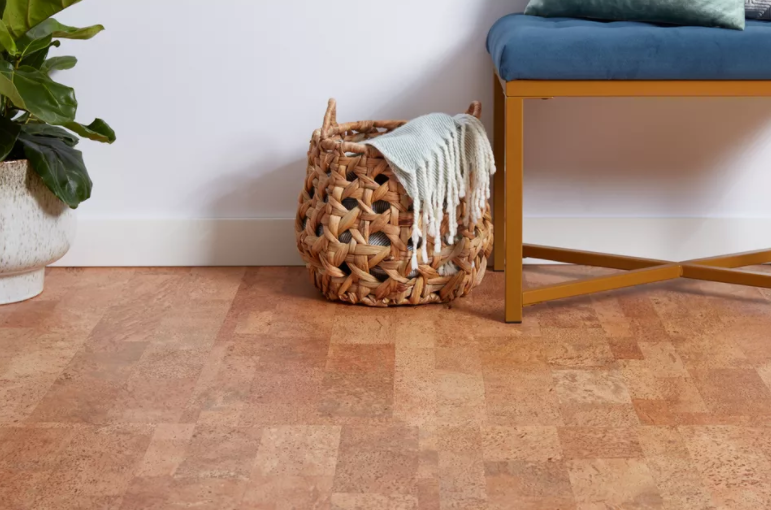
We’re not talking wine corks and pushpin boards here. Cork is an eco-friendly material that can also be used for flooring. Often overlooked yet great for kitchens, the natural material comes in various colors and patterns, and is sustainable, warm, comfortable, and cushioned. Make sure to seal it to prevent water damage and protect it from spills. Another plus about cork, it can be refinished just like hardwood floors if it needs a touch-up, and you'll clean it as you would wood.
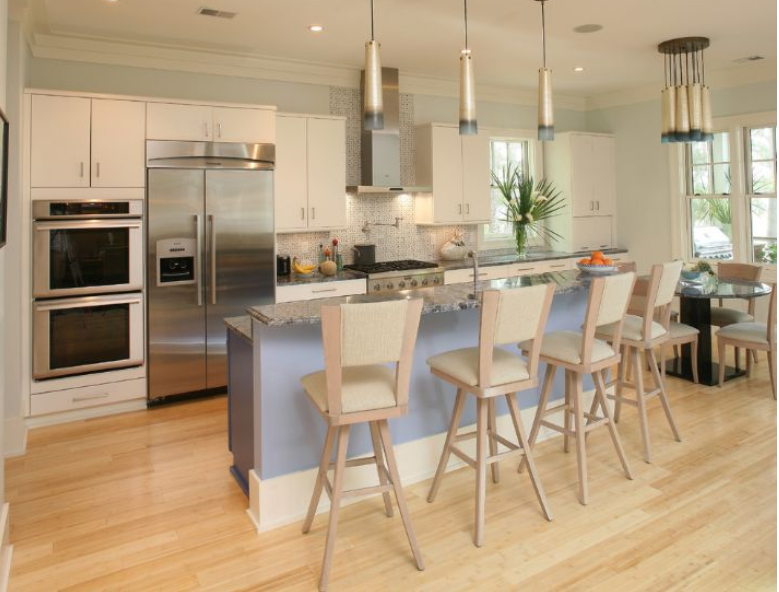
5. Bamboo
As with cork, bamboo is a renewable, sustainable resource, so it’s yet another eco-friendly kitchen floor choice. It’s also incredibly similar in looks to hardwood floors, though it’s technically considered a grass. It’s strong, durable, and has a built-in resistance to moisture and insects (bonus points!). And it can be refinished too!
6. Concrete
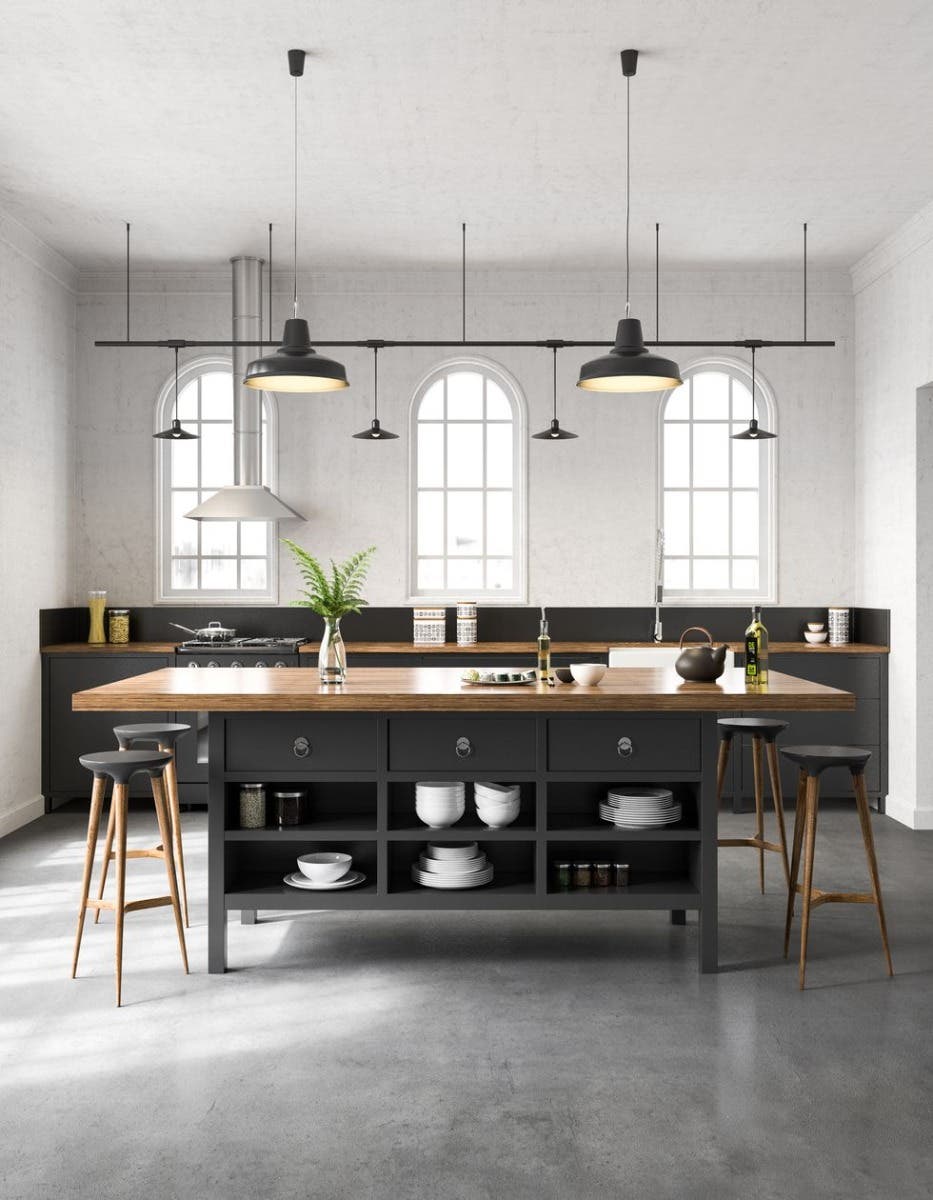
Concrete is a kitchen floor style for those that are looking for more of an industrial look. It’s low maintenance and durable; however, it’s rather difficult to install. Homeowners will have to work with an engineer to make sure their house is able to properly support the weight of a concrete floor.
Nelleg/Getty Images
7. Stone Tile
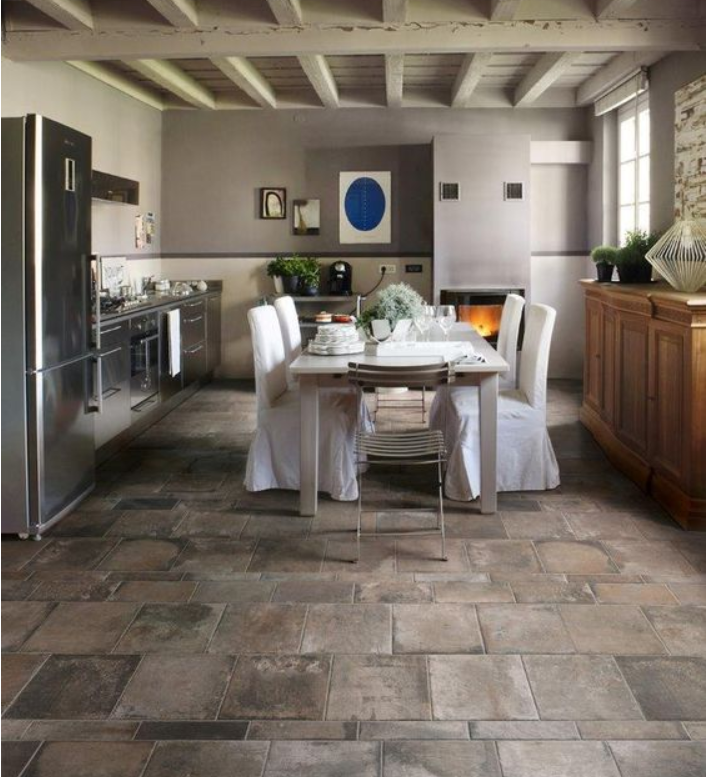
Stone is one of the most beautiful and elegant materials for kitchen floors. It’s timelessness, natural durability, and perfect contrast for any kitchen décor make it a great fit for any space. Another benefit is the vast range of stones to choose from, from slate to limestone to marble. Though impressive, its price tag is usually much higher than other flooring options, and you’ll need a strong subfloor to handle the stones’ weight. It’s also a bit harder underfoot than synthetic materials and hardwood.
Want real stone without a whole stone floor? Lily Ann sells 12" x 12" pebble stone mosaic sheets on a mesh backing, in Gray Flat Pebble and Moonlight Pebble (both in stock September 28, 2026). They work well as an accent area or a backsplash.
8. Ceramic Tile
If you're looking for the kitchen flooring with the most color options, this is it. Ceramic tile offers the widest variety of styles and can be customized to fit any kitchen. They’re popular for their durability and cost-effectiveness. However, they do have their downsides as well. They can be cold and uncomfortable, hard underfoot like stone tile. Grout lines are also a major concern, as they can hold dirt easily. A larger piece of tile might be better for a seamless look with fewer grout lines.
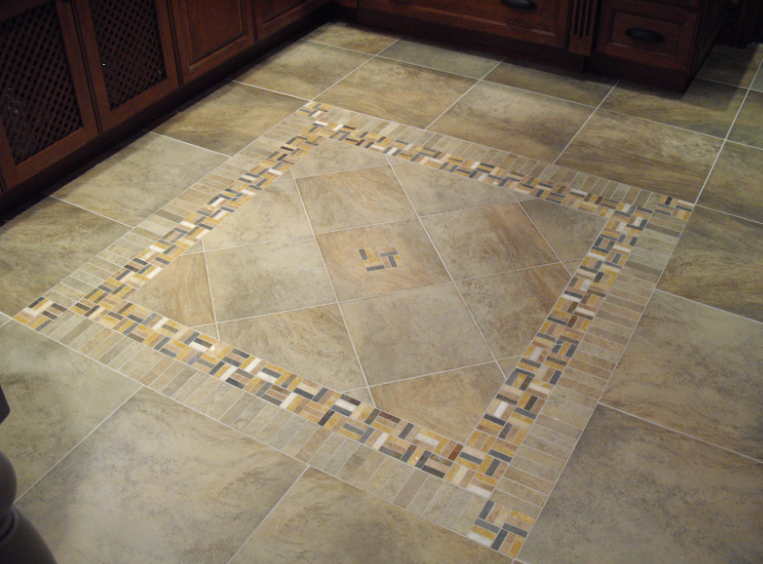
Photo via Pinterest
9. Porcelain Tile
While often associated with bathrooms, porcelain tile is a gorgeous, low maintenance option for your kitchen floor. In high traffic areas, it will out-perform a lot of the other options in both long-term appearance and durability. It’s less porous, which means it’s more impervious to moisture than ceramic tiles, so spills and stains are non-issues. The one downside, though, is it can be a bit pricey, and even though it’s easy to install, it can be time-consuming to do it right.
Lily Ann Cabinets offers some stunning porcelain wall and floor tiles, in the colors silver and sand in two different sizes: 6-inch by 24-inch and 12 inches by 24 inches. Since we ship factory direct, our premium tiles are available for a fraction of box store pricing!
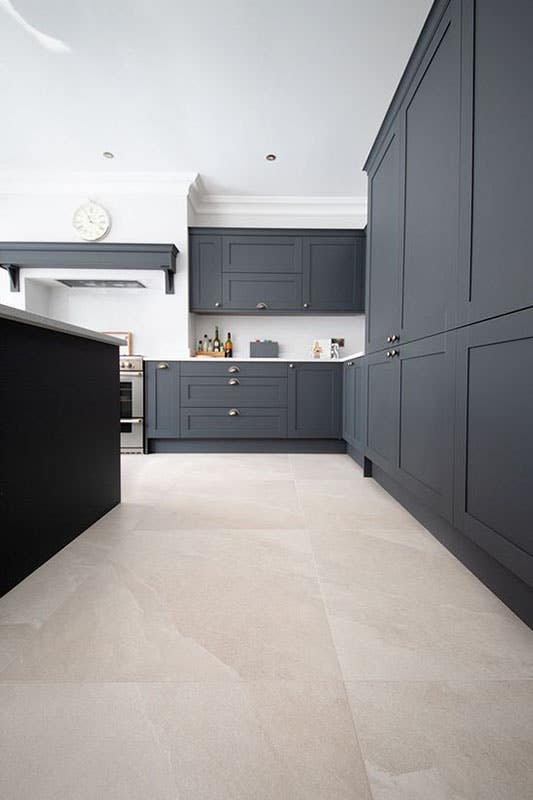
Lily Ann Cabinets Porcelain Tile
| Lily Ann porcelain tile | Nominal size | Actual size |
|---|---|---|
| Sand | 12" x 24" | 11-3/4" x 23-3/4" |
| Sand | 6" x 24" | 5-7/8" x 23-3/4" |
| Silver | 12" x 24" | 11-3/4" x 23-3/4" |
| Silver | 6" x 24" | 5-7/8" x 23-3/4" |
All four were in stock on September 28, 2026. Laying 24-inch tiles yourself? Long tiles are where edges most often sit uneven. The tile installer behind DIYTileGuy.com writes that the bigger the tile, the more a leveling system helps, and that tiles 12 inches and under usually don't need one. Lily Ann sells a tile leveling system with 2 mm and 3 mm bases and reusable caps.
10. Marble
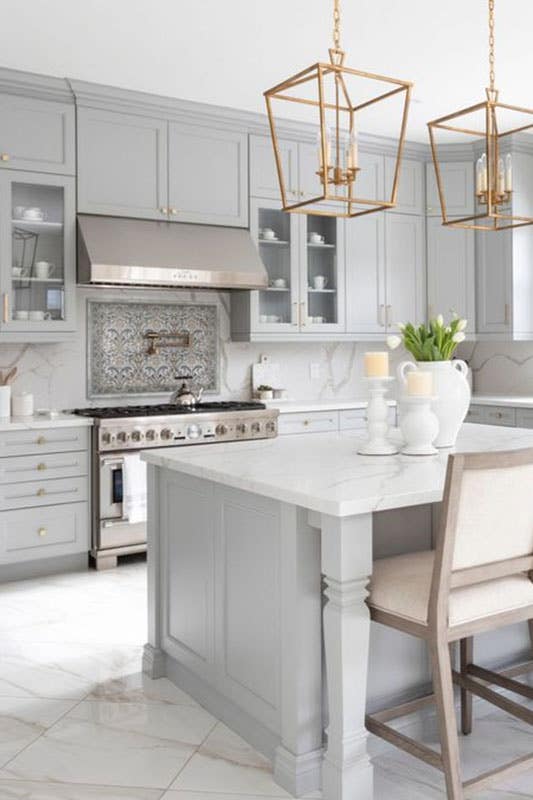
Opting for marble flooring can transform your kitchen into a breathtaking area that stands the test of time. Its timeless appeal, durability, and remarkable beauty make it a captivating choice. With a variety of styles and options available, including large format tiles and marble vinyl effects, you can seamlessly incorporate marble into your kitchen.
Whether you prefer to complement your countertop marble or opt for a contrasting design to make a stronger statement, this enduring material will gracefully enhance your kitchen design.
Kitchen Floor Trends: What Homeowners Are Choosing
Houzz surveys thousands of renovating homeowners every year. Two findings matter for your floor:
- Most kitchen remodels include new flooring. In the 2026 U.S. Houzz Kitchen Trends Study (1,780 homeowners, surveyed in July 2025), 65% of renovating homeowners upgraded their floors.
- Vinyl has caught up with wood. In the 2025 study, vinyl or resilient flooring (22%) edged out hardwood (21%) and ceramic or porcelain tile (20%).
Put simply, the wood look is still the favorite, but more of it now comes from waterproof vinyl planks than from real wood. Larger tiles are another look to watch, because fewer grout lines mean less scrubbing, as the ceramic tile section above points out. For the looks behind the numbers, see our roundup of flooring trends.
Floors and Cabinets: Which Goes In First?
This is the question flooring guides skip, and it matters when you order cabinets. The answer depends on the floor.
Floating floors, like SPC vinyl, go in after the cabinets and around them. A floating floor clicks together and rests on the subfloor so it can expand and shrink a little. Vinyl plank maker CALI's install guide says not to install its flooring under permanent or fixed cabinetry, and to leave a 1/4-inch expansion gap next to cabinets and walls. Lily Ann's SPC listings are all marked "Floating: Yes," so plan on the same approach and follow the install sheet that comes with your floor.
Cover the gap with trim. That 1/4-inch gap along the toe kick gets covered with quarter round. For the White Oak plank, Lily Ann sells a matching quarter round (1.1" x 1.1" x 94.5"), a T-molding and a reducer (each 1.75" wide x 94.5" long) for doorways and height changes, and an end cap (1.375" x 94.5"). All were in stock on September 28, 2026. Our cabinet toe kick guide covers the strip where cabinets meet the floor.
Nail-down hardwood and tile follow different rules. Ask your installer and check the flooring maker's instructions before the cabinets arrive, since the answer changes your floor height at the dishwasher and range openings.

Best Kitchen Floor Ideas for Different Cabinet Styles
When it comes to matching your kitchen floor with your cabinets, there’s no real wrong answer. Style is all subjective! However, there are some top options that will be sure to make your guests say, ‘Wow!”
For white cabinets, try some dark hardwood. The contrast is breathtaking, and dark floors can anchor all the floating white in the room. If you don’t want to go dark, try light wood tones, beige natural stone, or ceramic tile. It will keep a light feel in the kitchen. Somewhere between dark and light is medium color flooring. A grey/beige hardwood would go lovely with white cabinets or warm gold accents.
For brown cabinets, there are tons of options. Natural stone looks beautiful and gives it a stylish, charming look that adds warmth and color. Warm beiges bring out the brown tones of the kitchen, making it feel homey and inviting. And natural wood can produce a rustic charm!
For grey cabinets, a dark wood floor and white accents can really piece together a fresh look. Grey flooring, like Lily Ann Cabinets’ porcelain tile or SPC flooring, in a contrasting shade can really brighten up a space and create a beautiful, modern look.
But, again, there are a variety of different color combinations that can make your kitchen a comfortable, stylish room of your house. For a floor-by-floor chart, see our guide to kitchen cabinets with hardwood floors.
Get Your Dream Kitchen For Less With Lily Ann Cabinets
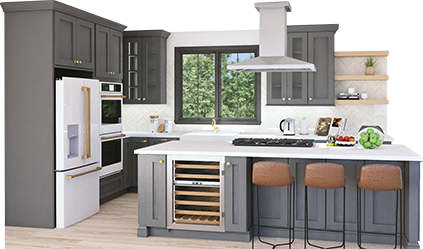
Having trouble deciding which finishes will suit your dream kitchen? No worries! Get a FREE 3D kitchen design today! Our professional kitchen designers are on standby to help you create your ideal kitchen space. Visit our design tool to get started!
Get your FREE 3D kitchen design today!
Start NowRelated Blogs:
- Laminate vs. Vinyl Flooring: Comparison Guide
- What Flooring Is Good for Laundry Rooms?
- SPC Vinyl Flooring For Your Kitchen: Sturdy, Stylish, and Easy to Clean
- What Is SPC Flooring? Benefits, Design Ideas & More!
- A Comprehensive Guide to Hardwood Flooring
- Hardwood vs. Laminate Flooring: Which Option Suits Your Home Best?
Frequently Asked Questions
Vinyl flooring is the best choice for most kitchens. Not only is it durable, waterproof and long lasting, it's also beautiful in any space. Rigid-core SPC vinyl is the toughest kind, and Lily Ann's SPC planks are listed as 100% waterproof. Porcelain tile is the other top pick if you don't mind a harder, colder floor. Choose hardwood only if you're ready to wipe up spills right away.
They can be, if you're careful with water. Hardwood floors are often sought after by homebuyers, and a damaged or worn floor can be sanded and refinished. However, hardwood can be damaged by water if it's exposed to too much moisture, so wipe spills quickly and use mats at the sink and dishwasher. In the 2025 Houzz Kitchen Trends Study, 21% of renovating homeowners still chose hardwood.
Vinyl, hardwood and tile are almost tied. In the 2025 U.S. Houzz Kitchen Trends Study, 22% of renovating homeowners chose vinyl or resilient flooring, 21% hardwood and 20% ceramic or porcelain tile. Natural stone and porcelain remain highly favored for their looks and durability. Wood-look vinyl planks and larger tiles with fewer grout lines are the looks to watch.
Luxury vinyl, and especially SPC (stone plastic composite) vinyl, is the most water-resistant floor that still feels soft underfoot. It's built in layers around a waterproof core, so spills don't soak in. Lily Ann's SPC planks are listed as 100% waterproof. Porcelain tile is also highly water resistant because it's less porous than ceramic, but its grout lines need sealing.
The wood look is still the favorite, but more of it now comes from waterproof vinyl planks. Houzz's 2025 study showed vinyl or resilient flooring (22%) edging out hardwood (21%), with tile close behind at 20%. Houzz's 2026 study found that 65% of renovating homeowners upgrade their floors. Larger tiles with fewer grout lines also stay popular because they're easier to clean.
Vinyl and laminate are the budget-friendly options on this list. Sheet vinyl and vinyl tile are among the least expensive and are easy for DIYers to put down, and click-together laminate or SPC planks save on labor because many homeowners install them themselves. Lily Ann says its SPC flooring installs with little to no subfloor prep. Tile, stone, marble and concrete usually cost the most once installation is added.
The usual regrets come from picking a look without thinking about the kitchen's job. Common ones are hardwood in a kitchen that sees lots of water, cork that wasn't sealed, light grout on a busy floor that shows every stain, and hard stone or tile for someone who stands and cooks for hours. Another is a floating floor installed under fixed cabinets, which flooring makers such as CALI tell you not to do.
Porcelain tile and SPC vinyl are the most durable kitchen floors. Porcelain holds up in high-traffic areas better than most other options and shrugs off moisture and stains. SPC vinyl has a rigid core and a protective wear layer; Lily Ann's planks are listed as scratch, stain and impact resistant and rated for commercial use. Hardwood is durable too, and it can be refinished when it wears.










Comments